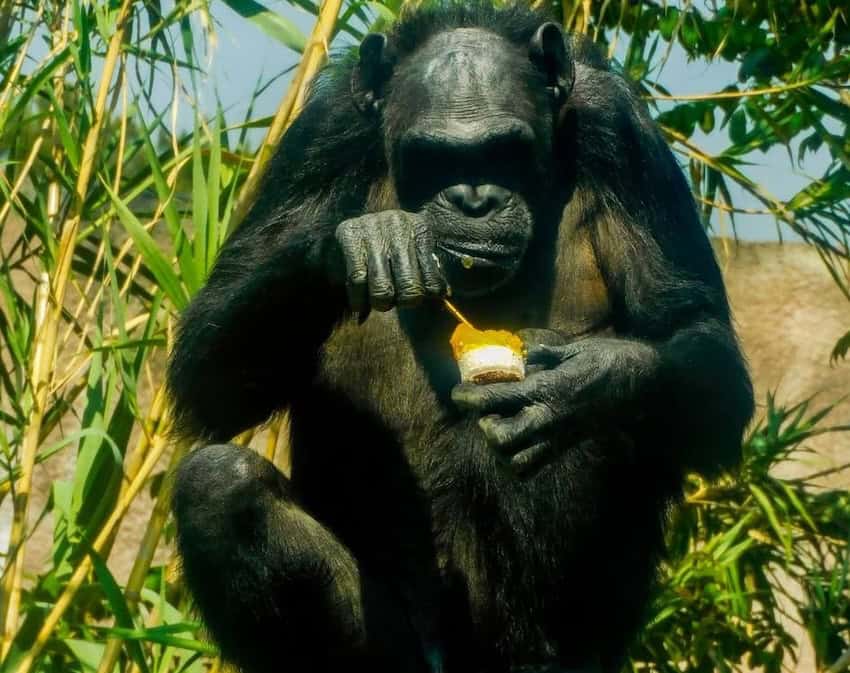
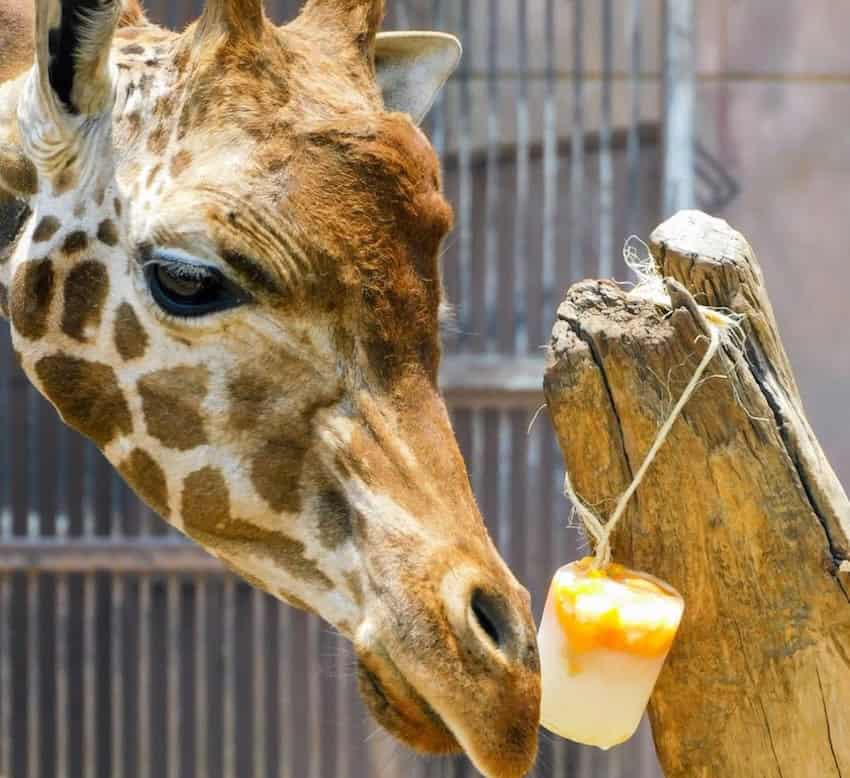
With Mexico City mired in a heat wave for the past week, zoo animals have been joining residents in cooling off with paletas — custom-made popsicles, in this case frozen around their favorite foods.
The Mexico City Environment Ministry (Sedema) said this week that its Wildlife Conservation Centers across the capital have been handing out ice pops tailored to each species as temperatures climbed.
The daytime highs have been roughly in the range of 29 to 32 Celsius (between the mid-80s to about 90 degrees Fahrenheit) — roughly 2 to 5 degrees Celsius above April averages for Mexico City.
The heat wave in CDMX began April 25 under a strong high‑pressure system that trapped heat over central Mexico. Temperatures are forecast to ease starting Thursday before dipping somewhat more in early May.
Sedema said this week that the icy snacks are part of special feeding programs to keep animals hydrated and cool during the hot season. The pops are made with ingredients that fit each animal’s nutritional needs.
“Specially prepared for them, they are part of their diet and a delicious way to stay hydrated,” the agency noted on social media.
Images shared by Sedema show giraffes, chimpanzees, patas monkeys and a bobcat licking and pawing at the frozen blocks, which double as enrichment toys.

By freezing food in large chunks, keepers encourage animals to lick, bite and play with the ice — a tactic known as environmental enrichment, which keeps them active and reduces heat stress.
Officials say extreme heat can cause panting, weakness and, in severe cases, organ damage in wildlife if they cannot shed heat fast enough.
The popsicle strategy echoes similar programs in other parts of Mexico, including El Centenario Zoo in Mérida, Yucatán.
There, biologists have used popsicles made with meat, fruit and seeds to help big cats, primates and birds endure spring temperatures that can top 40 degrees Celsius.
The treats are part of a broader “Paletón” program that aims to hydrate animals and give them new textures and flavors to explore. Biologists said about 60% of the zoo’s over 600 animals received popsicles in 2024 as part of that program.
Health authorities are urging residents to take a cue from the animals’ behavior by staying in the shade, avoiding direct sun from 11 a.m. to 4 p.m., drinking water frequently, and never leaving children, older adults or pets in parked cars.
While Thursday afternoon was expected to be another hot, hazy one in CDMX, meteorologists expect the worst of the heat wave to break as April gives way to May.
With reports from El Universal, Récord and TV Azteca