In Reynosa, Tamaulipas, the good guys watch the bad guys — and vice versa.
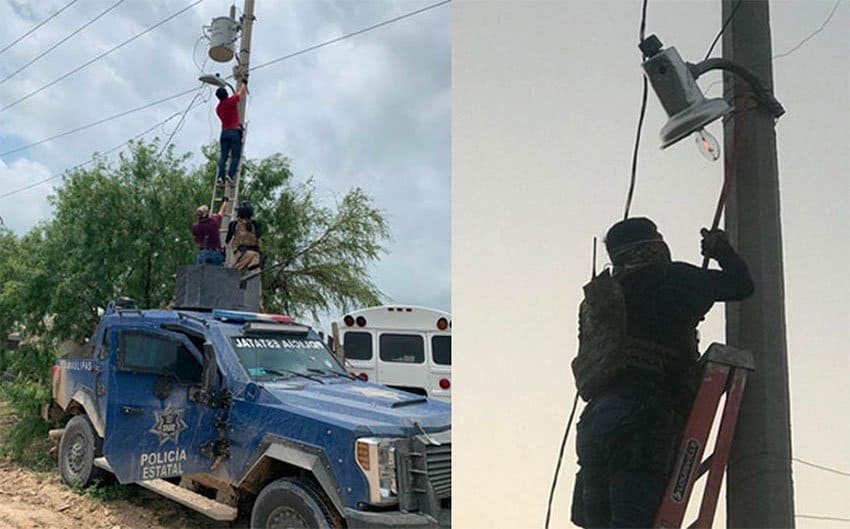
Tamaulipas State Police removed 62 hidden surveillance cameras from highways around the city of Reynosa over the weekend, and not for the first time.
The cameras, presumably placed by criminal groups, were disguised as payphones, electricity meters and streetlights. Some of them were located on access roads for international crossings to the United States and highways that connect Reynosa to Monterrey.
Unnamed sources told El Universal that investigations by the Tamaulipas state intelligence alerted authorities to the cameras. Anonymous tips to the C4 federal security control center also helped police find them.
Equipped to transmit images remotely, the cameras were used by criminal groups to monitor the authorities as they conducted raids, patrols and stakeouts around Reynosa.
State authorities are investigating who is responsible for placing the cameras, and looking for any they might have missed.
Criminal gangs in Reynosa are also known to destroy cameras placed by the authorities. In 2014, the Reynosa city government announced the installation of 472 surveillance cameras around the city. But a year later, the gangs had destroyed 100 of them, of which the government was only able to reinstall 40%.

On at least two occasions in 2015, authorities removed cameras installed by crime gangs.
Source: El Universal (sp), Milenio (sp), ABC Noticias (sp), Vox Populi Noticias (sp)