The delay in extraditing former Chihuahua governor César Duarte to face criminal charges is an act of corruption, Mexico’s former top electoral crimes prosecutor charges.
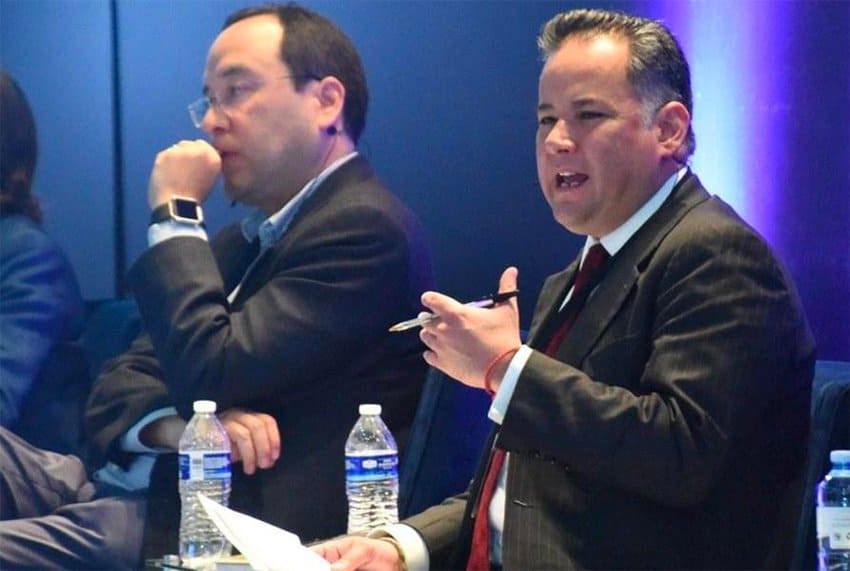
Santiago Nieto, who was fired from his position as chief of the office of the Special Prosecutor for Electoral Crimes (Fepade) in October 2017, made the remark during a panel discussion on political corruption in Chihuahua yesterday.
“More than a year after Fepade obtained an arrest warrant and requested the extradition of the former governor César Duarte, the federal Attorney General’s office (PGR) hasn’t completed the process. I believe that this, in good Spanish, is called corruption,” he said.
Duarte, who was in office between 2010 and 2016, fled to the United States in March 2017 and is believed to be living in El Paso, Texas. He is accused of corruption and illicit enrichment.
In August the Chihuahua Auditor’s Office filed criminal charges against Duarte and 42 officials who served during his administration for the embezzlement of 6 billion pesos (US $317 million).
Chihuahua authorities have also seized ranches and properties that allegedly belong to the fugitive ex-governor.
Nieto said that apart from the PGR, the only other government department that can formally request his extradition is the Secretariat of Foreign Affairs (SRE). He accused both departments of acting corruptly by not exercising that power.

He also said that it was regrettable that the current federal government has failed to appoint an anti-corruption prosecutor.
President-elect López Obrador has pledged that he will fill the position by the time he is sworn in on December 1.
Nieto has been chosen to head the Finance Secretariat’s Financial Intelligence Unit in the new administration and has vowed to reopen the corruption investigation involving Brazilian construction company Odebrecht.
Source: Milenio (sp)