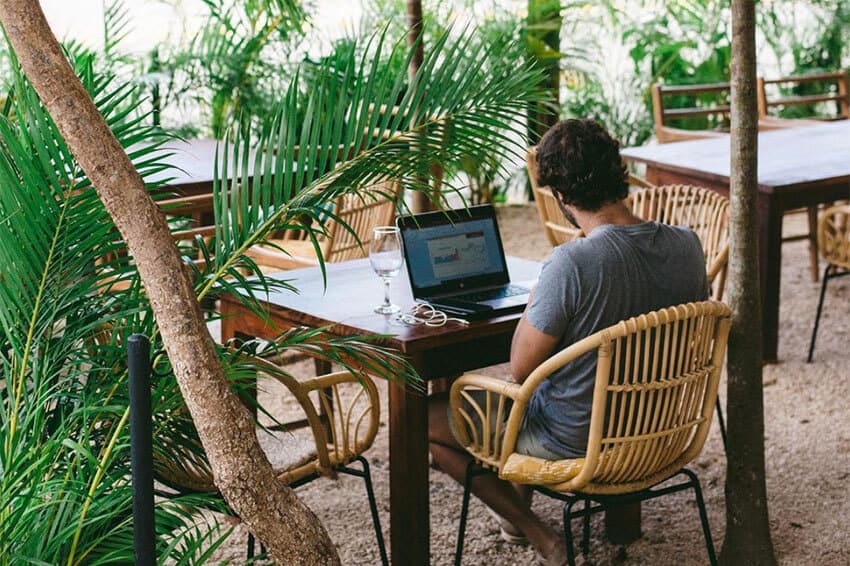
The vacation rental market will increase 20% in 2022 due to demand for accommodation from digital nomads, according to the CEO of a vacation rentals chain.
Javier Cárdenas Ibarra, founder and CEO of Rotamundos, told the newspaper El Universal that many foreigners are staying in Mexico for extended periods due to their ability to work remotely.
Mexico City neighborhoods such as Roma and Condesa as well as coastal destinations including Puerto Vallarta, Los Cabos and Tulum have seen an influx of mainly younger digital nomads during the pandemic as employees of foreign companies continue to enjoy the opportunity to work from wherever there is a reliable internet connection.
Their presence in the country has driven up rental prices in some areas as entrepreneurs with properties listed on sites such as Airbnb take advantage of higher demand for short term accommodation.
Digital nomads “look for properties with certain standards,” Cárdenas said, citing “a good connection to the internet, a good bed, housekeeping service and dwellings that are also sustainable and ecological.”
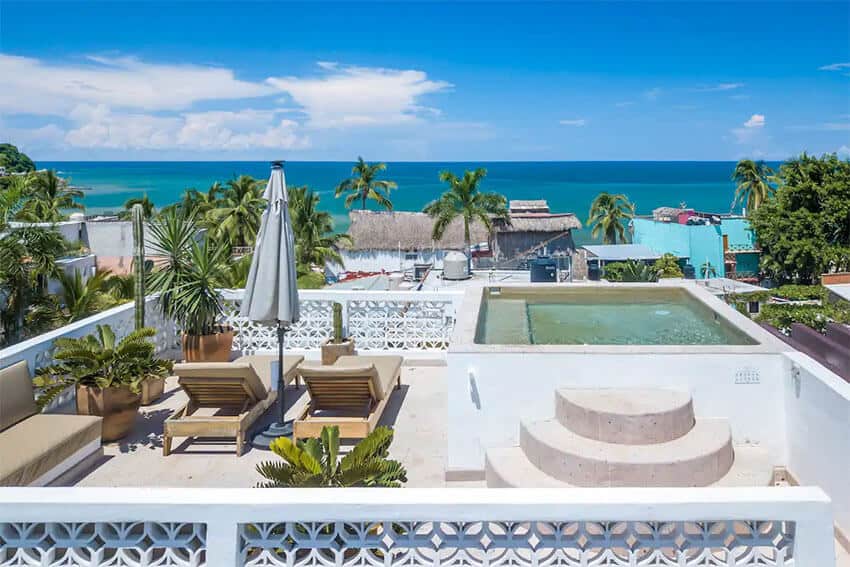
Mexico is especially popular with digital nomads from the United States due to its proximity to that country and affordability for people earning good salaries in US dollars.
The Riviera Maya – an area of coastal Quintana Roo that includes Cancún, Playa del Carmen and Tulum – began attracting such people early in the pandemic.

“Tourists stopped coming because there were no planes but as soon as the lockdown was lifted they started to return,” said David Padrón, director of Click & Home, a company that offers short term accommodation in Tulum and Playa del Carmen.
“Before they stayed for 14 days but now they come to work remotely for three months,” he said, adding that digital nomads will change their accommodation arrangements if they’re not happy with amenities such as the internet or laundry service.
Padrón said that remote workers from Mexico are among the long-term tourists in Quintana Roo, “but right now we’re full of people from New York, California and Texas.”
“A lot of Russians are arriving as well,” he said.
Softec, a real estate research and consultancy firm, estimates that approximately 2,700 vacation dwellings will be added to the market this year alone in Tulum, where there are already some 6,000 holiday rental properties. It also estimates that the construction of some 9,000 properties that are destined to become short term holiday accommodation will commence in 2022.
Claudia Velázquez, Softec operations director, told El Universal that 2022 is shaping up to be a good year for Mexico’s vacation rental sector.
“Inflation in Mexico is lower in comparison with the United States and people with greater purchasing power can live better here,” she said.
“There is also more professional administration of rental dwellings,” Velázquez added.
“There are companies that manage the whole service for you. They promote [the rentals] on [internet] platforms, pay the maintenance [fees], do the reservations. They take care of everything and give you your return as an investor,” she said.
AirDNA, a provider of data and analytics for the short-term rental industry, reported earlier this year that there were over 31,000 Airbnb lodgings in Quintana Roo alone.
Airbnb co-founder and chief strategy officer Nate Blecharczyk said late last year that “traveling to Mexico has become a real trend for travelers from the United States,” including digital nomads.
He also said there are Airbnb hosts in almost all of Mexico’s 132 Pueblos Mágicos, or Magical Towns, among which are Valladolid, Yucatán; Tepoztlán, Morelos; and Tequila, Jalisco.
With reports from El Universal