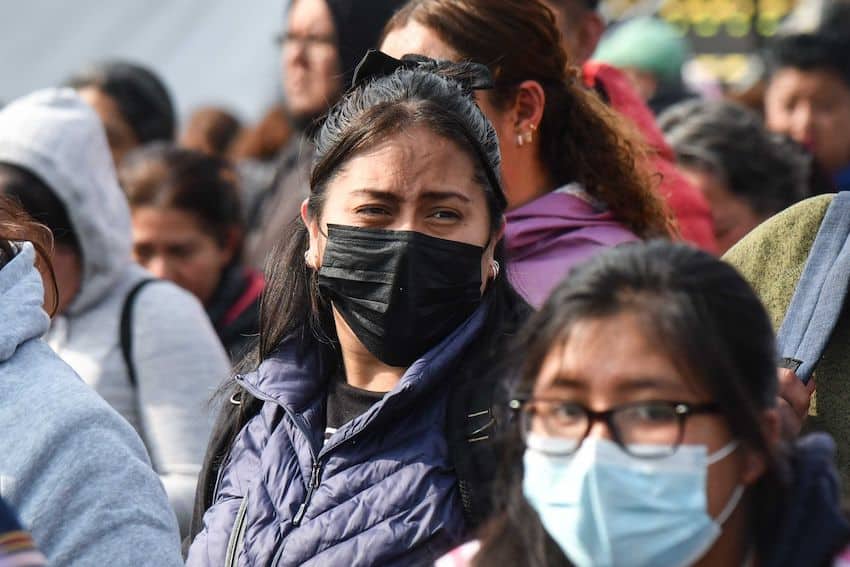
With winter around the corner, flu season is underway in Mexico, and the government has reported numerous cases so far of the familiar seasonal influenza A H3N2. One of those cases has received special attention because it is the first appearance of the A H3N2 variant known as subclade K, commonly referred to as “superflu.”
The seasonal superflu is highly contagious and can cause severe symptoms. While it is not a completely new virus and is not more deadly than other flu strains, it is infecting a significant number of people in the U.K. and U.S. and placing stress on healthcare systems.
Superflu patients may experience extreme fatigue, often accompanied by headaches, nasal congestion or runny nose, chills, and sweating. High fever, generally above 38°C (100.4 °F), can be expected, as well as a persistent dry cough that can last up to two weeks.
Other frequent symptoms include sore throat and muscle and body aches.
The National Institute of Respiratory Diseases (INER) confirmed on Friday that the variant had been diagnosed in a single patient in Mexico. According to INER, the patient responded well to antiviral treatment, didn’t show any further complications and has fully recovered.
As of Tuesday, INER hasn’t reported any new patient carrying the superflu virus.
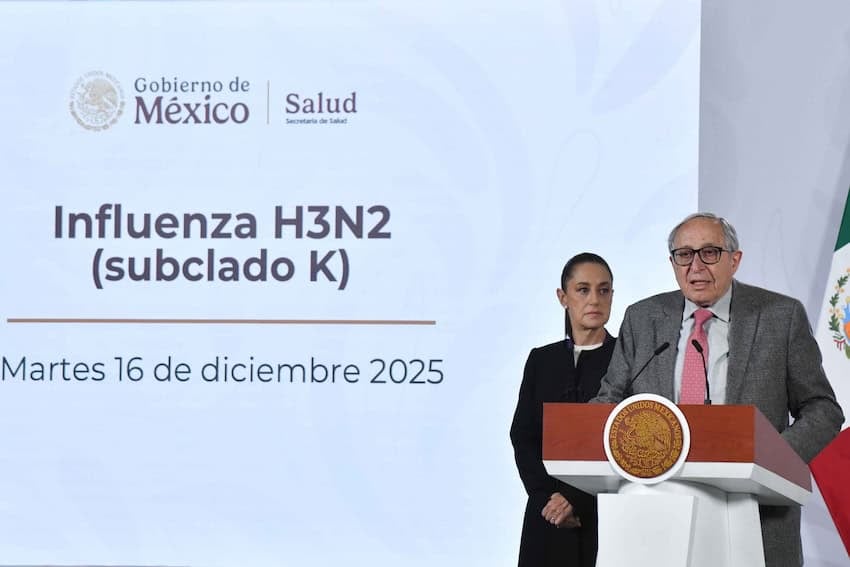
Health Minister David Kershenobich said the subclade K virus does not pose a threat to Mexico, as the country is equipped with enough resources to protect the vulnerable population against it.
“We have enough vaccines,” Kershenobich said during President Claudia Sheinbaum’s daily morning press conference. “And whenever someone has influenza, we have the capacity to treat it with enough supply.”
Kershenobich added that the government has been administering the Mexinvac vaccine — developed in Mexico — since 2024, and that it has enough supply to face the A H3N2 virus and its variant.
Mexico’s Health Ministry noted that the superflu’s clinical management is the same as that of any influenza type, and the primary prevention measure continues to be vaccination.
“These vaccines are effective in reducing risks, preventing complications and hospitalizations, and protecting health, especially of children, older people, pregnant women, health personnel, and people with comorbidities,” the Health Ministry said in a statement.
Health authorities have also said that the National Epidemiological Surveillance System (SINAVE) maintains constant monitoring to recognize unusual patterns or new subtypes of the virus, allowing for timely intervention in the event of outbreaks.
With reports from Infobae, El Economista and La Silla Rota