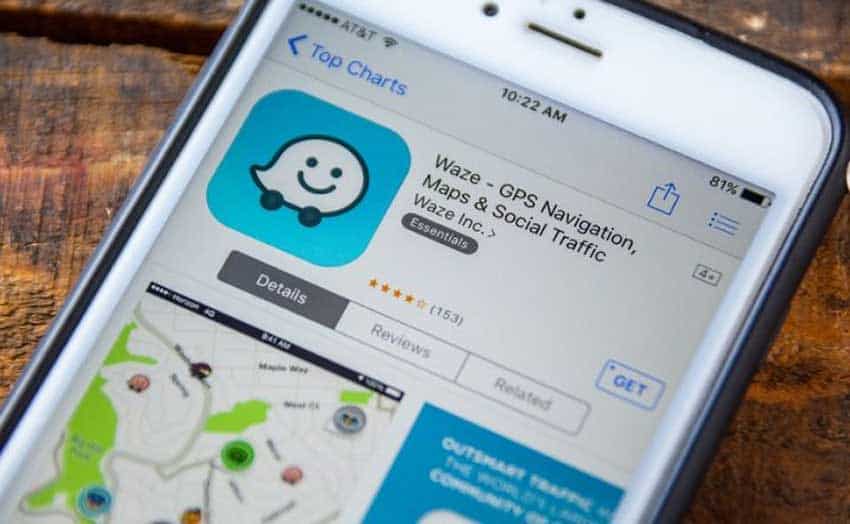
The Google-owned GPS navigation app Waze has announced the launch of its carpooling service across Mexico.
Waze Carpool is an app that matches drivers and riders who travel similar routes between their homes and workplaces or schools.
“It’s about sharing costs. We’re not creating carpooling as a profession but rather creating a community and reducing traffic,” said Waze México director Ingrid Avilés.
The Waze Carpool app allows people to find a ride-share companion using a variety of filters that limit potential travel mates based on factors such as workplace location, gender and even whether they have social media friends in common.
Once a match is found, the driver and passenger agree on a pick-up point to start their shared journey.
Noam Bardin, global CEO of Waze, says the purpose of the service is to reduce the number of cars on the road.
“. . . We see traffic as a community problem and that’s why we’re launching carpooling,” he said.

In the traffic-clogged streets of Mexico City, an average of just 1.2 people travel in each car but with the launch of Waze Carpool, that average could begin to creep up.
Avilés explained that riders pay for their share of gasoline expenses via the app with a bank card and that drivers are limited to completing just two trips per day.
During the first month of operations in Mexico, passengers will pay just 10 pesos (US $0.50) for each trip they take while drivers can earn up to 100 pesos (US $5).
With four million active users in Mexico, Waze has a large pool of potential drivers who could choose to offer spare seats in their cars and thus help to reduce traffic and contamination in the nation’s cities.
The service could be particularly beneficial in greater Mexico City, where car ownership has soared since the year 2000 and drivers often spend hours on the road on a daily basis.
The TomTom Traffic Index ranks the Mexican capital as the world’s most traffic congested city, one in which motorists can expect to spend an additional 227 hours a year — nine and a half full days — in traffic on top of their regular travel time.
Source: Expansión (sp), Entrepreneur (sp)