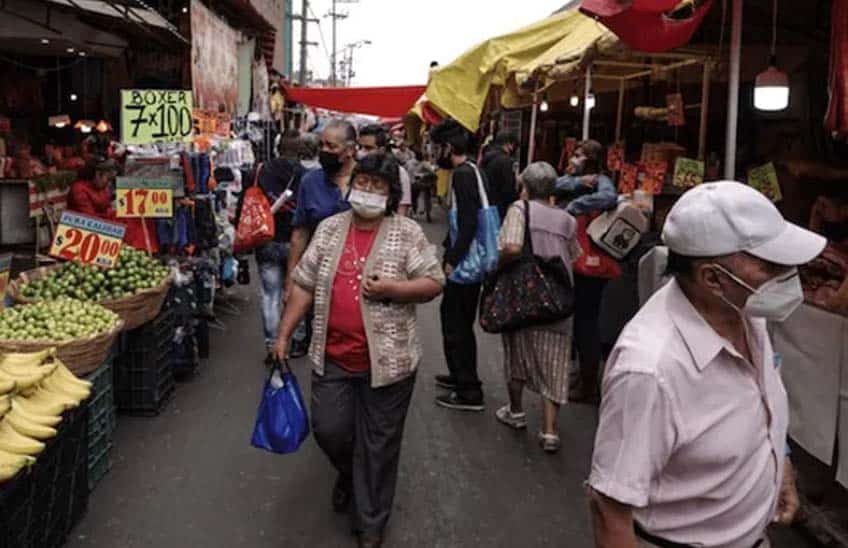
The federal government is considering placing price controls on basic food items as part of efforts to control inflation, President López Obrador said on Monday.
“We’re making a food production plan so there is greater supply and [so] we can also control inflation with food,” he told reporters at his morning press conference.
Annual inflation was 7.29% in the first half of March.
“We’re going to announce [our plan] in a few more days; we’re already working on it, … it has to do with the canasta básica, to guarantee that there are no shortages and [ensure] that we control inflation,” López Obrador said.
The canasta básica is a basic selection of foodstuffs including beans, rice, eggs and sugar.
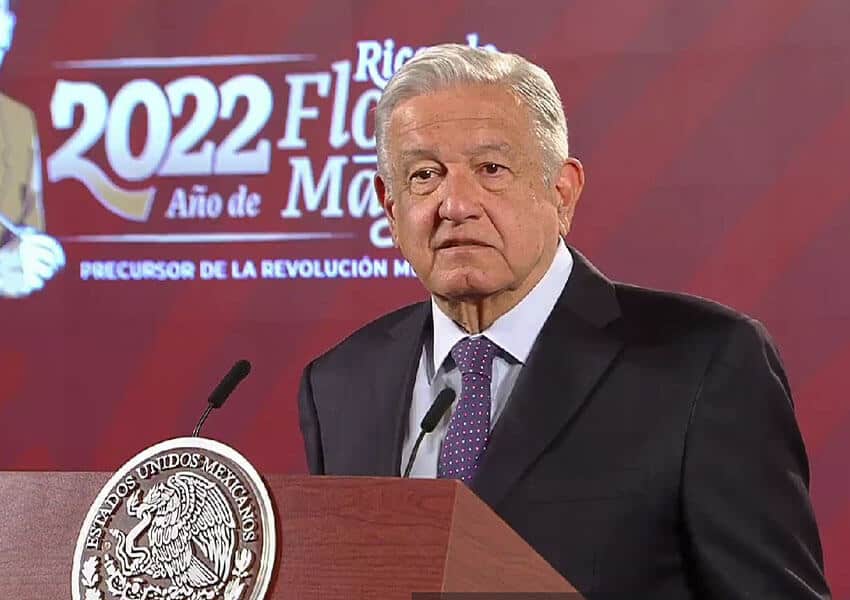
Explicitly asked whether the government is considering price controls, López Obrador said the government would implement them in addition to a food production plan “if necessary.”
“First, production, … the best thing to confront inflation is to produce, [to ensure] there is supply, but price controls help as well,” he said.

Probed again whether “maximum prices” were going to be implemented, López Obrador responded:
“Not yet. What a good journalist you are, there’s no doubt. We’re going to wait. What we have to do is deal with the [inflation] problem in the best possible way. The good thing is that we’re here to serve the people, the people are our master, not companies, corporations or banks. … The basic intent is to govern for the benefit of the people. So we analyze [issues] and make decisions in accordance with what’s in the best interests of the people.”
Two experts who spoke with the newspaper Reforma raised concerns about the possibility of price controls being imposed by the government.
Alejandro Saldaña, chief economist at the financial company Ve Por Más, said that price controls “could generate shortage problems in the medium term because if [food] producers face lower prices, production is discouraged.”
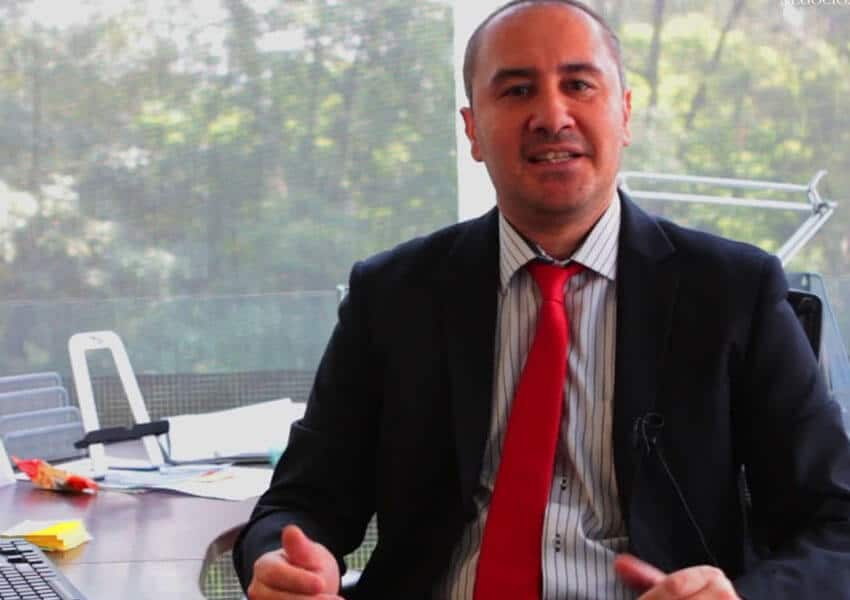
“… Shortages, if sustained, would be reflected in even more aggressive price increases,” he said, apparently suggesting that government price controls wouldn’t work.
James Salazar, deputy director of economic analysis at CI Banco, said that price controls on basic foodstuffs would be akin to asking producers to “restrict price increases.”
That would automatically create “an imbalance in terms of supply and demand,” he said, “because you’re imposing a maximum price when there is much stronger demand and that results in shortages.”
Salazar said that price controls have been implemented in the past when inflation was high, but they didn’t work.
“In the medium and long term, you could create shortages and black markets and who ends up paying [the price] in the end is the [food] producer,” he said.
Price controls in other countries, such as Venezuela, have resulted in shortages of basic goods and fueled the popularity of black-market trading.
Salazar said that price controls don’t make sense because inflation is not as high as it has previously been, although it reached a 20-year high in November.
“We’re not in a red alert scenario,” the CI Banco analyst said. “The reality is that inflation has shot up around the whole world [but] it’s not what we saw in the ’80s or beginning of the ’90s.”
With reports from El Universal and Reforma