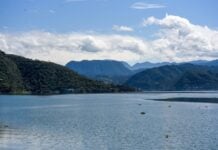
Located in the northern part of Baja California Sur, (BCS) seven hours by car from the state’s capital of La Paz, Mulegé is, quite literally, an oasis in the desert.
Founded by Jesuits in the early 1700s on the banks of the Santa Rosalía river, the town of around 4,000 people has seen its economy shift from fishing and agriculture to tourism in recent years.
But these days visitors are decidedly not welcome. Townspeople have barricaded the road.
The threat of coronavirus became a reality when Mulegé registered its first case last week, and an outbreak could easily decimate the municipality’s nearly nonexistent medical structure.
“We don’t have any specialists, we don’t have labs, we don’t have x-rays, we don’t have supplies. We are being sent to war without weapons,” said Doctor Jose Antonio Espinoza Tirado.
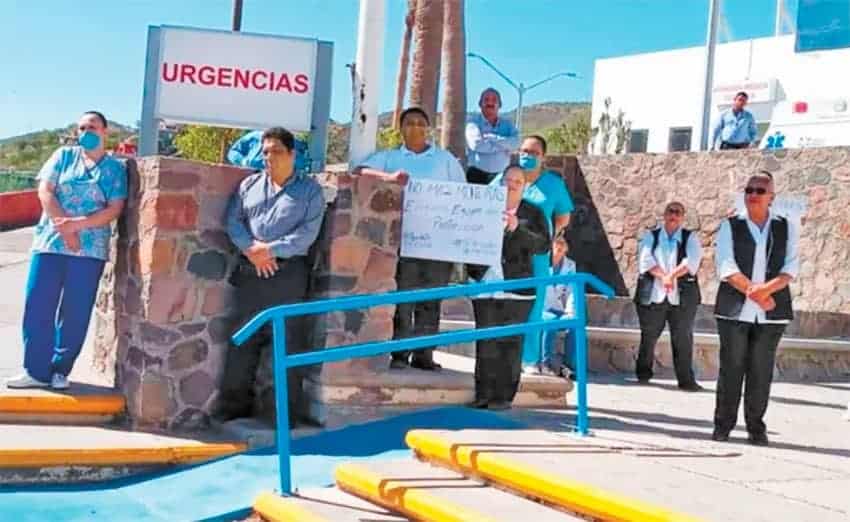
Espinoza and around 100 doctors from the nearby town of Santa Rosalía, population 15,000, are working under protest due to the pandemic, taking five minutes of silence each day to express their dissatisfaction. They have been asking the government for adequate medical supplies for the past year, even before coronavirus became a reality.
The municipality of Mulegé has about 60,000 residents, but the hospital only has three ventilators, says Espinoza.

“Imagine if a patient were to become seriously ill, and we don’t have what we need here,” he said. “What they have sent us isn’t enough.”
On April 15, Mayor Felipe Prado Bautista railed on social media against residents who are not respecting the quarantine and refuse to stay at home.
“This Saturday and Sunday, whoever walks the streets without any justifiable reason, instead of an economic sanction, what do you think about 12 hours of social service [in the cleaning area] of a hospital or clinic in the municipality?” he posted.
The entire state of BCS is reeling from the effects of coronavirus, with the highest number of cases per capita in all of Mexico — 20.38 per 100,000 residents. The state currently has 158 confirmed cases and has recorded six deaths.
Source: BCS Noticias (sp), El Universal (sp)