Frequent highway blockades on the Isthmus of Tehuantepec threaten to undermine a 107-million-peso (US $5.65-million) project to boost the capacity of the port in Salina Cruz, Oaxaca.
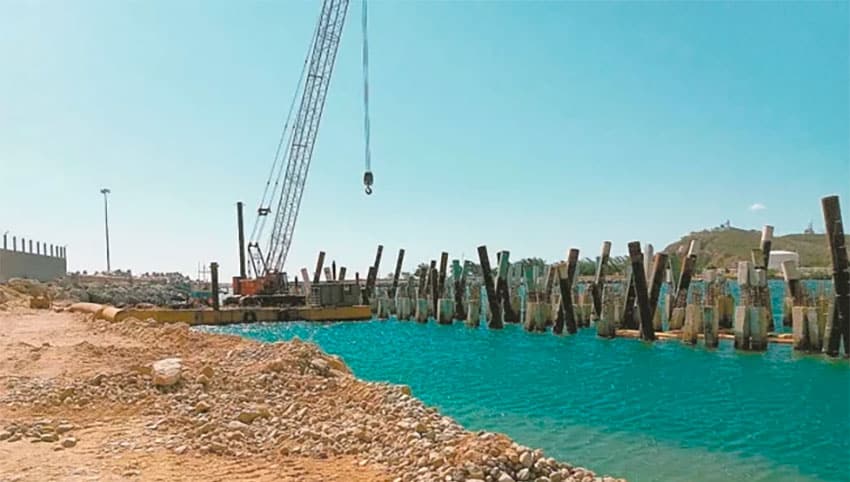
Work on a new wharf that will allow two container ships to be unloaded simultaneously is expected to be completed by the end of the year.
The project, which started in April after being put out to tender during the administration of the previous federal government, is the first upgrade to the Salina Cruz port since it was built in 1980.
However, port director Ricardo Tapia Ríos told the newspaper El Universal that highway blockades erected on the Isthmus of Tehuantepec due to social conflicts have the capacity to “hold back the investment” in the port.
Civil Protection specialist Tore Knape Macías said there were 216 blockades on the Pan-American and Trans-Isthmus highways between January 1 and December 11 this year. He said the frequency of blockades has generated concern among business owners who rely on the Salina Cruz port to import or export goods.
Corn and fertilizer are among the products whose transportation has been held up due to lengthy blockades. Tapia explained that the port has lost business due to the risk that shipments will be delayed.
One such delay in October cost a shipper of corn to Chiapas US $10,000 a day for the month that a ship was held up. First it was rain and then it was wind that delayed unloading the ship’s 30 tonnes of cargo. But then it was further delayed by highway blockades. The process that should have taken seven days took 30.

Port director Tapia said he hoped that the federal government’s social programs will help to reduce conflicts in the south of Oaxaca and eliminate the blockades.
However, that might be wishful thinking. Opposition to the government’s trans-isthmus trade corridor project, which includes modernization of the railroad between Salina Cruz and Coatzacoalcos, Veracruz, is growing.
There are concerns about the impact that the railroad and port expansion projects will have on the environment and communities in the Isthmus region.
The indigenous group El Istmo es Nuestro (The Isthmus is Ours) and Maoist organization Sol Rojo (Red Sun) have both indicated they will support local communities in their opposition to the project.
Javier Aluz of the latter group said in November that the people of the Isthmus will continue their “agenda of resistance” against the trade corridor project, which he said was part of an agenda of “imperialism” in the region.
Source: El Universal (sp)