Homicides have increased over the past six months in three of nine states where the federal government has recently bolstered security efforts.
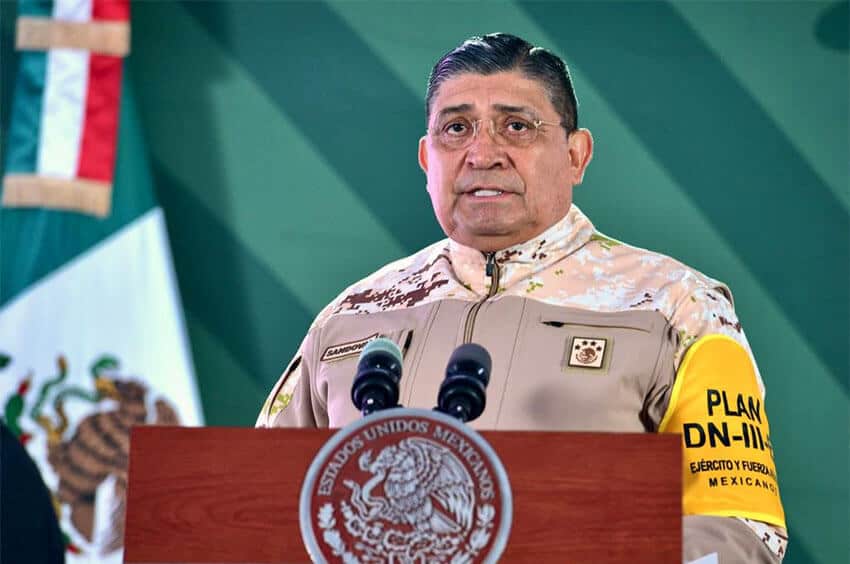
National Defense Minister Luis Cresencio Sandoval presented data Thursday that showed that homicides increased 10% in Zacatecas between August 13 and February 16, 9% in Michoacán and 5% in México state.
Zacatecas was the most violent state on a per capita basis last year with almost 100 homicides per 100,000 people, and the eighth most violent for total murders with over 1,600.
Michoacán and México state ranked third and fourth respectively for total murders with more than 2,600 each.
The Jalisco New Generation Cartel (CJNG) has significant power in both Zacatecas and Michoacán, although it recently lost ground in the latter. It is involved in turf wars with the Sinaloa Cartel in Zacatecas and the Cárteles Unidos in Michoacán.
The conflicts are the main drivers of violence in the states, both of which have new Morena party governors.
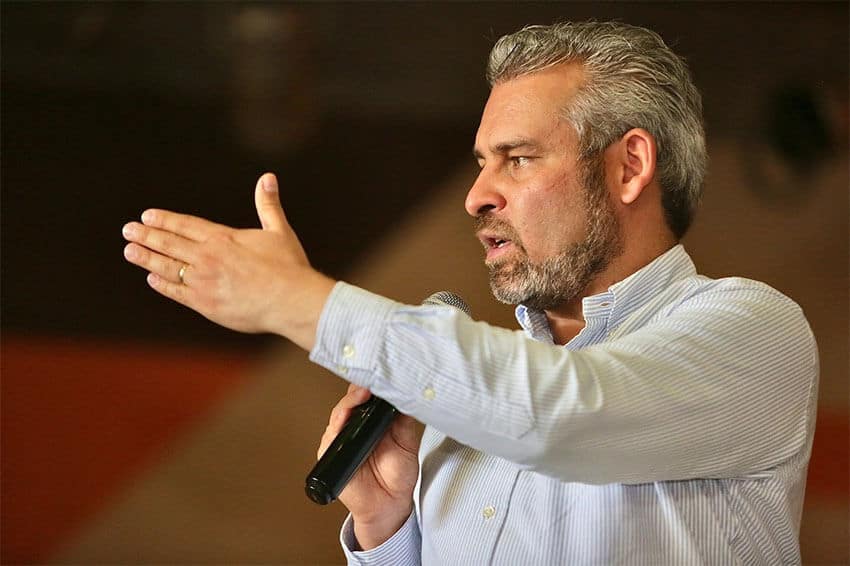
Alfredo Ramírez Bedolla, who took office in Michoacán on October 1, said earlier this month that pacifying the state might take six years. Homicides were up over 10% during his first 105 days in office compared to the final 105 days of the term of his predecessor.

In Zacatecas, David Monreal was sworn in as governor on September 12, and homicides rose 9.3% in the first 145 days of his term. The northern state has recently seen a spate of macabre incidents, such as the abandonment on Kings Day of a vehicle with 10 dead bodies beneath a giant Christmas tree in front of the state government palace and the discovery of another 10 cadavers on a Zacatecas highway last November.
After 18 murders on one day earlier this month, Monreal said that the implementation of the new security plan had “generated an escalation in violence … between criminal groups.”
More than 20 criminal organizations operate in México state, the country’s most populous entity with approximately 17 million residents. Among them: the CJNG, the Gulf Cartel, La Familia Michoacana, the Guerreros Unidos, Los Rojos and La Unión Tepito.
The state, which includes many municipalities that are part of the greater Mexico City metropolitan area, also has a serious femicide problem. There were 145 gender-related killings of women and girls last year, a figure higher than that of any other state.
Speaking at President López Obrador’s regular news conference, Cresencio said that homicides declined over the past six months in the other six “priority” states.
Murders decreased 18% in Quintana Roo; 17% in Baja California; 15% in Jalisco; 15% in Chihuahua; 5% in Sonora; and 5% in Guanajuato – Mexico’s most violent state for total homicides last year with over 3,500.
With reports from Milenio