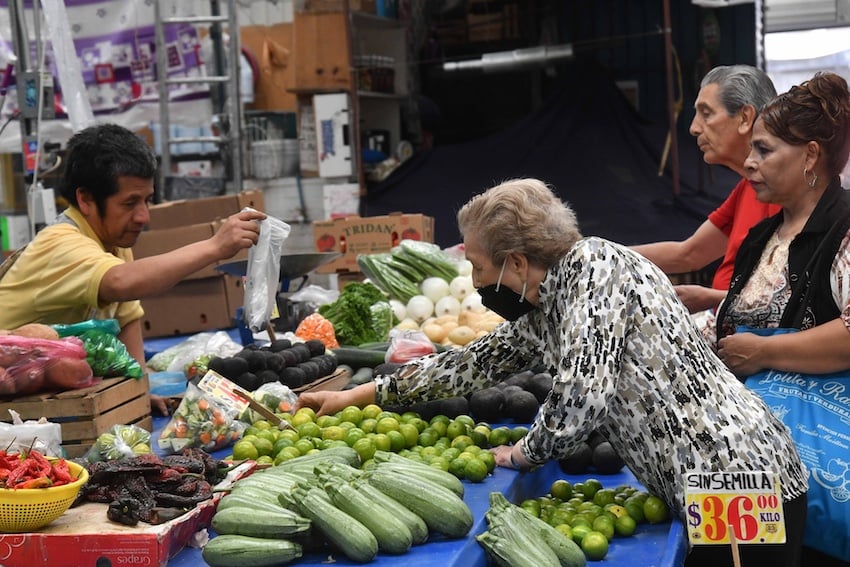
Inflation in Mexico accelerated in November, with the services sector continuing to exert pressure, according to data from national statistics agency INEGI.
The National Institute of Statistics’ (INEGI) National Consumer Price Index recorded a monthly increase of 0.66%, boosting the annual inflation rate to 3.80%.
Although November’s figure remained within the central bank’s target of 3%, plus or minus one percentage point, it represented a continued increase over October’s rate of 3.57%.
News agency Reuters said the November data was slightly above market expectations, prompting a central bank (Banxico) official to warn of inflation concerns for the coming year.
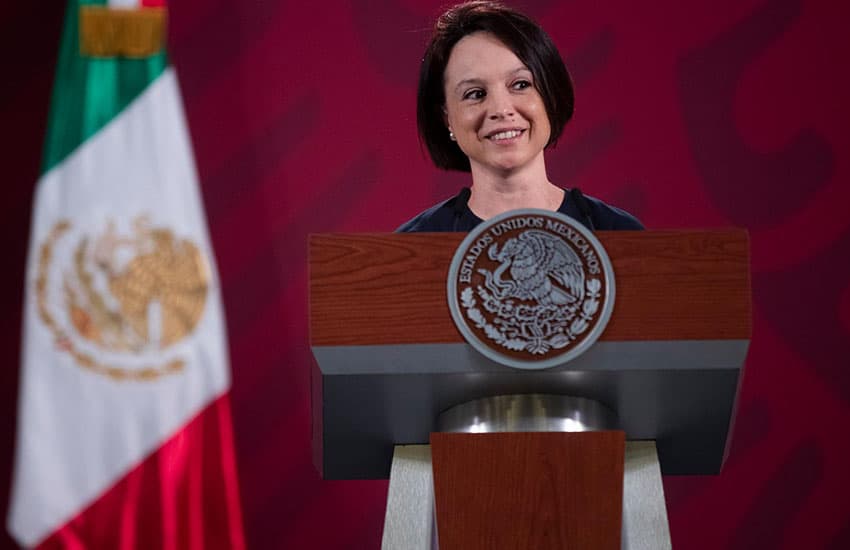
“Inflation risks remain tilted to the upside,” Banxico deputy governor Galia Borja said in a podcast released on Tuesday.
She also identified several factors that could further pressure inflation in 2026, including potential tax increases, tariff uncertainty and the renegotiation of the United States-Mexico-Canada (USMCA) trade agreement.
The closely watched core inflation index — which strips out volatile food and energy prices — came in at 0.19%, quickening the annual rate to 4.43%, the highest since March 2024.

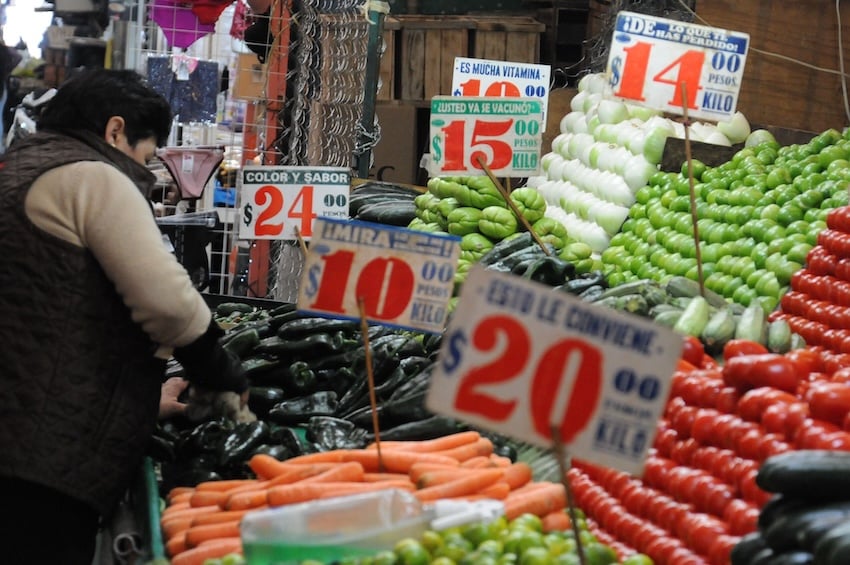
Price pressures increased for food (serrano peppers were up 24.76%, squash prices climbed 17% and tomato prices rose 14.34%) and non-alcoholic beverages, clothing and footwear, furniture, appliances and maintenance, and restaurants and hotels.
Electricity costs soared 20.7% and professional services climbed 17%.
On the other side of the ledger, prices for limes (–7.46%), avocados (–7.28%) and oranges (–3.97%) fell.
Even before the release of the latest inflation data, analysts forecast Banxico will reduce the benchmark interest rate by 25 basis points at its Dec. 18 monetary policy meeting.
A Citibank survey released last week found that the median forecast for the policy rate at the end of 2025 remains at 7.00%. Banxico lowered its base rate to 7.25% at its Nov. 6 meeting, the 11th straight time it cut the reference rate.
The inflation data also impacted the price of the U.S. dollar in Mexico. After a strong finish on Monday, the dollar strengthened against the peso in early trading on Tuesday, rising to 18.27 before reversing course.
The dollar sank then back toward the 18.18 pesos-per-dollar range by 11 a.m. This marks a record low for the peso this year, which hit the 18.23 pesos-per-dollar mark on Friday, and is a number not seen since July 2023.
With reports from El Economista, Infobae, Reuters and Bloomberg News