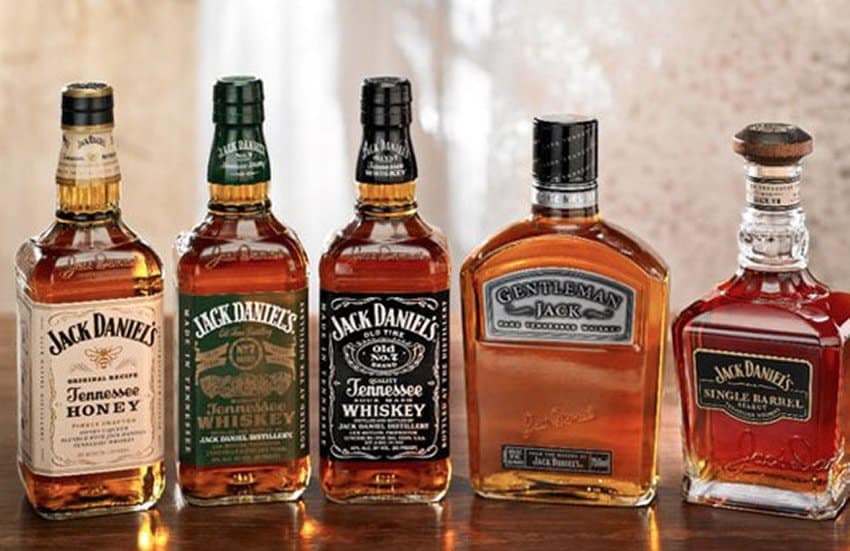
The distiller of Jack Daniel’s Tennessee whiskey is bracing itself for the damage that Mexico’s retaliatory tariffs could inflict in one of the company’s biggest growth markets.
In its earnings report released yesterday, Kentucky-based Brown-Forman Corporation referred to “concerns over potential retaliatory tariffs on American spirits” and said that it was hard to accurately predict future sales growth given the uncertainty surrounding the implementation of the tit-for-tat protectionist measures.
Mexico imposed a range of protectionist measures against the United States’ metal tariffs including 20-25% tariffs on bourbon, which took effect Tuesday.
Canada and the European Union have also threatened to slap duties on United States-made whiskey as part of their retaliation against the 25% and 10% tariffs on their steel and aluminum exports, which came into force June 1.
Around 5% of Brown-Forman’s total sales are in Mexico but the value of the market has been growing rapidly. Last quarter, sales were up 15% in this country, more than double the 7% growth recorded in the United States.
The company is still forecasting underlying global net sales growth in the next fiscal year of between 6% and 7% provided nothing major changes.
In order to mitigate the impact of the tariffs on its exports, Brown-Forman began building up its stock in markets outside the United States after the EU warned of retaliatory protection measures earlier this year.

France, Germany, Spain and Poland are among the countries where the company has increased its inventory levels but it didn’t do the same for Mexico.
However, Brown-Forman’s growth and sales here are not entirely dependent on beverages made outside the country. The company owns Jalisco-based Tequila Herradura, which has also contributed to its strong sales figures in Mexico.
Mexico struck back swiftly after the United States announced last Thursday that it would impose tariffs on Mexican metal imports.
The “equivalent measures” imposed target products produced by exporters in states that are politically important to United States President Donald Trump and include pork, some steel products and a range of cheeses and fruits.
This week, Mexico announced that it would challenge the tariffs at the World Trade Organization.
The tariff dispute has further complicated the process to renegotiate the North American Free Trade Agreement (NAFTA) but both Mexico and Canada remain committed to reaching a new deal.
Trump, on the other hand, suggested last week that the U.S. could seek to negotiate separate trade accords with its two neighbors, a strategy presidential economic adviser Larry Kudlow said Tuesday that the president is “very seriously contemplating.”
Source: Bloomberg (en)