The Sélvame del Tren activist collective has criticized a contract between Tren Maya S.A. de C.V. and a private company that has been tasked with deterring wildlife from the railway tracks.
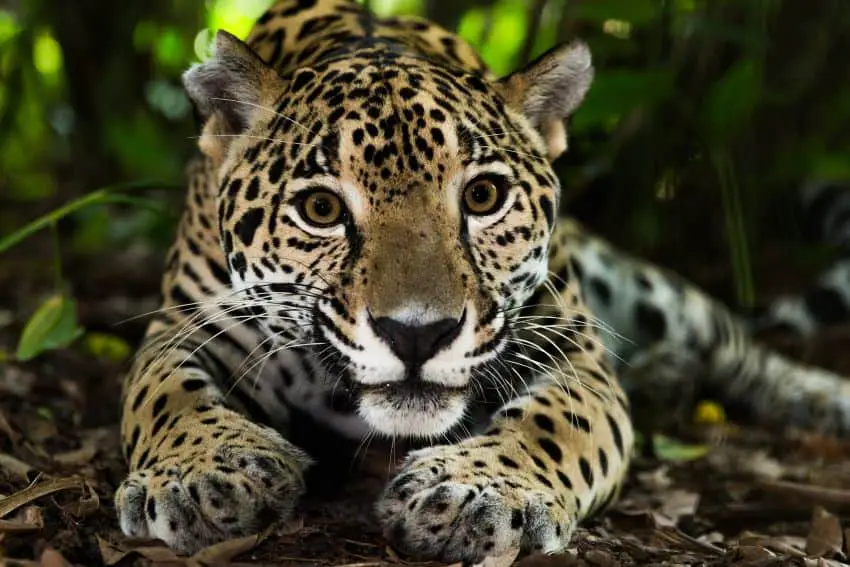
Under the contract, the company Susoma Soluciones Ambientales S. de R.L. de C.V., is responsible for scaring away, capturing, removing and even euthanizing “harmful” species that pose a threat to the operation of the Maya Train. These species include jaguars (Panthera onca), Central American tapirs (Tapirus bairdii) and white-tailed deer (Odocoileus virginianus).
— SELVAME (@SelvameMX) December 2, 2024
The contract outlines that the staff of Susoma Soluciones Ambientales, S. de R.L. de C.V., based in Toluca, Mexico state, has the right to conduct “wildlife control” through a variety of mitigation activities. These include scaring away wildlife with fireworks, installing nets and traps and using tranquilizer darts for larger animals, among other methods.
“Measures like these not only represent a direct attack on local fauna,” Sélvame del Tren stressed in a statement, “but also a violation of Mexican environmental laws and international commitments regarding conservation.”

The agreement also calls for the company to develop a habitat management program that reduces the presence of wildlife attractors, through practices that include pruning flora, relocating tree species, creating natural barriers and building alternative watering holes away from the train tracks to keep animals away.
According to local media, the Maya Train paid 9 million pesos (US $444,000) to Susoma Soluciones Ambientales for the wildlife control services under this agreement, effective from Sept. 3, 2024, to Dec. 31, 2024.
The World Wildlife Fund (WWF) lists the jungles in the southeastern Mexican states of Quintana Roo, Yucatán and Campeche — along with jungles in Belize and Guatemala — as among the largest in terms of priority landscapes for jaguar conservation.
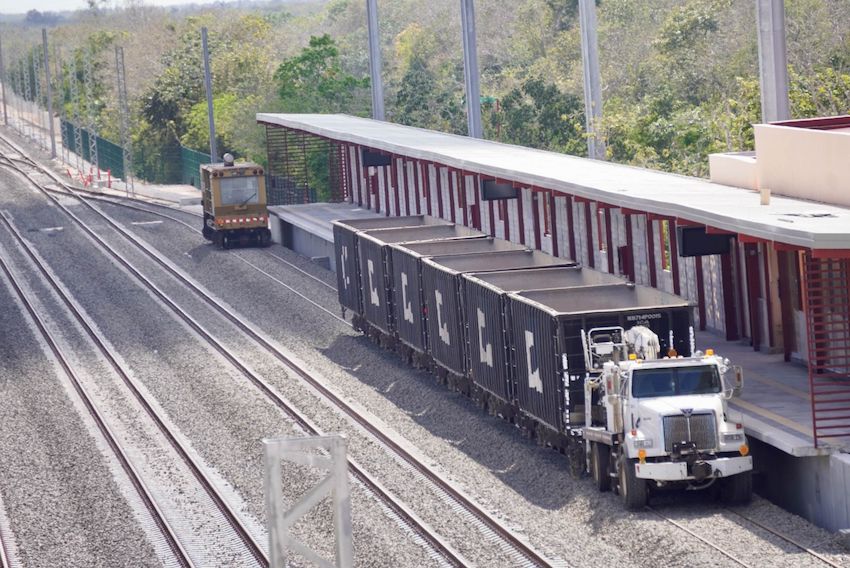
María José Villanueva, director of Conservation for WWF in Mexico, said the jaguar faces significant challenges in the region due to fragmentation of the jungle caused by the Maya Train’s construction, the subdivision of land for new real estate developments and polluting projects such as pig farms.
In contrast, preliminary results of the latest jaguar census in Mexico in September found that in most of the study’s areas, the species’ population has remained stable or even increased since the previous jaguar census, which was completed in 2018.
The census’ final results will be announced in February 2025.
With reports from El Economista and El Universal