
The heat wave that has gripped Mexico over recent weeks may finally be easing, but extreme temperatures still persist in the north, and heavy rains could bring new problems to the south of the country.
The National Meterological Service (SMN) announced on Thursday that the “anticyclonic circulation” that brought June’s extreme temperatures will weaken from Friday, meaning Mexico’s third heat wave of the year is technically over.
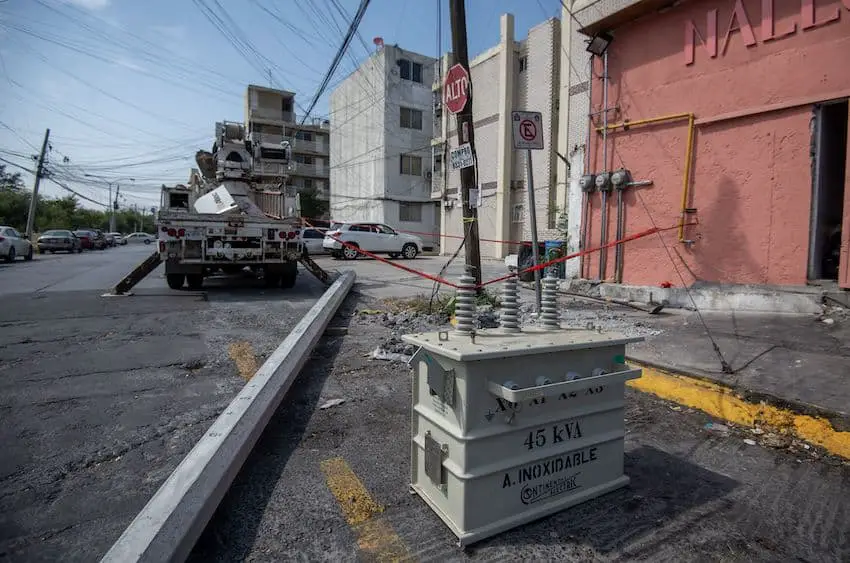
However, much of the country will still see temperatures over 40 C (104 F) during the weekend, even exceeding 45 C (113 F) in northern states such as Sonora, Sinaloa and Baja California. These regions may also see winds of up to 80 km/h, with possible dust storms or tornadoes.
Temperatures over 30 degrees will remain the norm across Mexico, including in Mexico City, and authorities continue to advise the population to minimize sun exposure, drink plenty of water, and look out for children, the elderly and those with chronic illnesses.
Meanwhile, a low pressure channel will move across the south of the country, causing heavy rain, lightning and strong winds. While this may bring relief to many, the SMN warns intense rainfall could cause landslides and flooding in parts of Oaxaca, Chiapas and the Yucatán Peninsula.
By Monday, the interaction of these weather systems could spark the first cyclone of the season on Monday, in the Eastern Pacific Basin, off the coasts of Guerrero and Oaxaca.
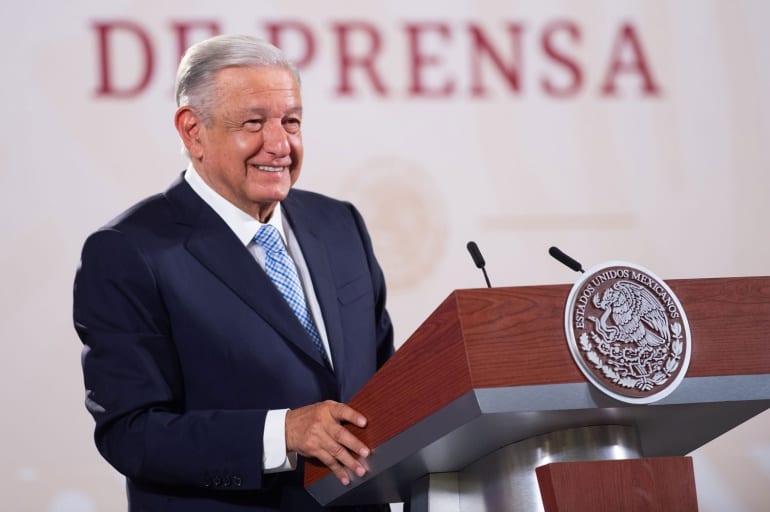
In his Thursday morning press conference, President López Obrador assured the population that Mexico still has enough energy supplies to meet demand, which increased by an estimated 5% during the heat wave. There have also been reports that the National Energy Control Center saw demand for electricity reach 94% of total capacity.

Some media outlets have reported signs of energy shortages in the states of Michoacán, Sinaloa, Guerrero, Coahuila, Nuevo León, Tamaulipas, San Luis Potosí, Veracruz, Tabasco and Yucatán, with several businesses forced to close their doors and others unable to operate air conditioning, fans or refrigeration.
AMLO also said that only one death had been registered as a result of the heat wave, despite the Health Ministry previously reporting eight heat-related deaths between January and June 14. The president’s statement also modified his insistence on Tuesday that “we don’t have a valid report that lives have been lost due to excess heat.”
With reports from Sin Embargo