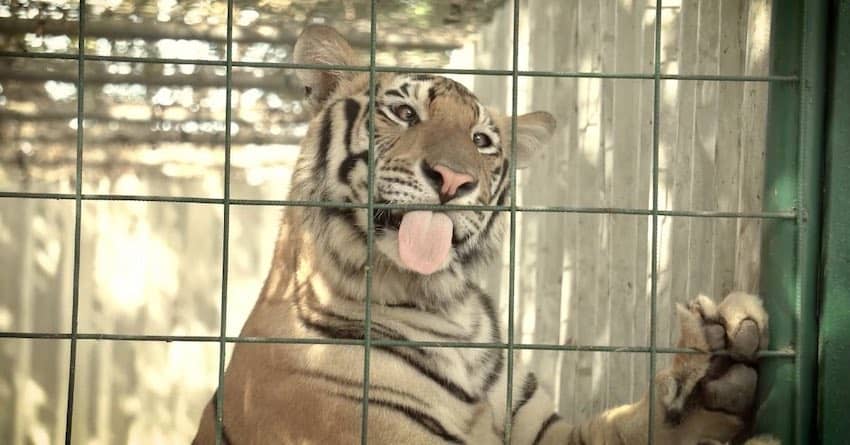
Around 250 rescued tigers and other felines are on their way from Mexico to India, as part of a scheme to prevent extinction in their native country.
The Association of Zoos, Breeders and Aquariums of Mexico (Azcarm) and the Ostok Sanctuary, an animal rescue center in Sinaloa, worked for months to arrange the animals’ transfer to a conservation center in the Indian state of Gujarat.
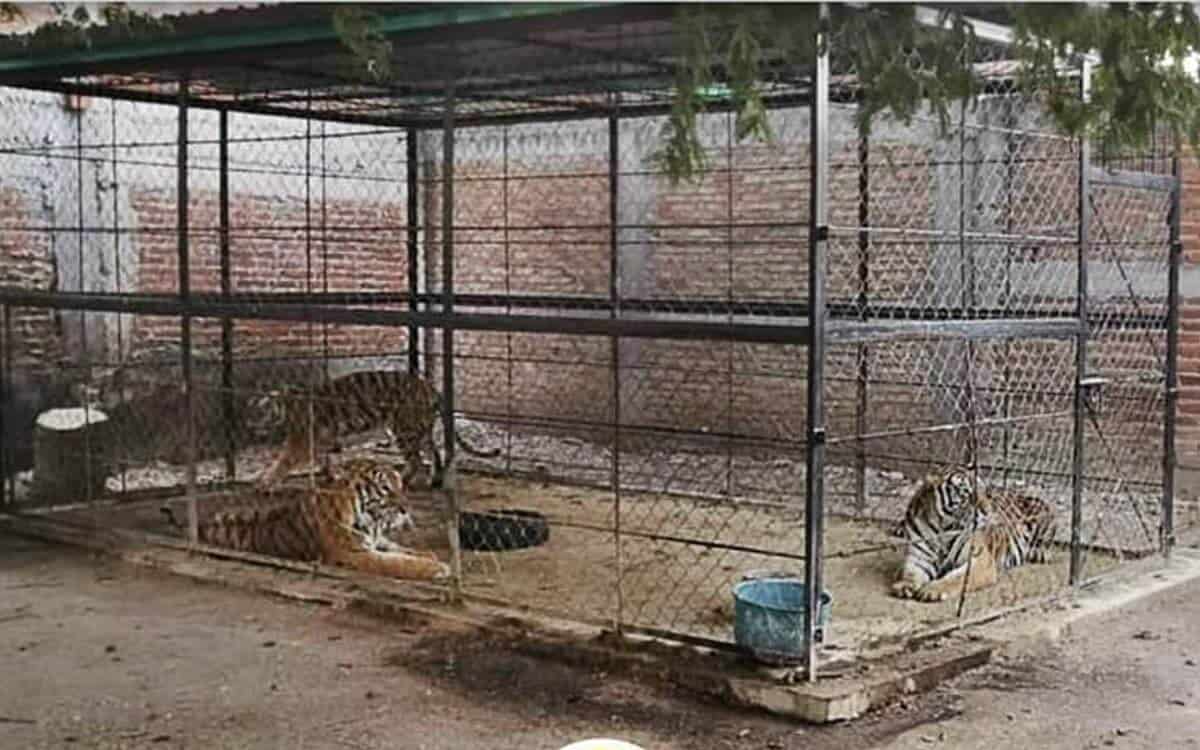
“We undertook intense work with India’s [Greens] Zoological Rescue and Rehabilitation [Kingdom] to carry out this important transfer of around 200 tigers,” Azcarm’s president, Ernesto Zazueta, said in a statement.
He added that the center had committed “to release this species into the wild so that it can repopulate areas where it has practically disappeared.”
Around 50 lions and leopards were also included in the transfer. Zazueta explained that the big cats had been abandoned, rescued, or confiscated from Mexican zoos. Mexico has seen several such cases in recent years, including the rescue of around 200 emaciated felines from Mexico City’s Black Jaguar-White Tiger Foundation in July 2022.
Although big cats can reproduce successfully in Mexico, thanks to the country’s climate and breeding programs, “the best place for these animals is where they are native,” Zazueta said.
The International Union for Conservation of Nature (IUCN) estimates that there are less than 4000 tigers left in the wild. The big cats are threatened not only through loss of habitat but also by poachers who hunt them as trophies or for use in traditional Chinese medicine.

Arranging the transfer was “a long and intense process,” Zazueta said, requiring documentation from national and international environmental authorities and rigorous health checks to ensure the animals were fit enough to withstand the journey.
The tigers will now undergo a quarantine period before entering an adaptation program designed to reintroduce them to the wild. Zazueta stressed that their new home is a spacious, natural conservation center, closed to the public, where the animals will be well kept.
“We already have 100 more specimens that we will move in the same way,” he added. “Here in our country, there are not many spaces to give them a home, and there is not enough private or public budget to sustain so many rescued, abandoned and seized big cats.”
With reports from El Financiero and Proceso