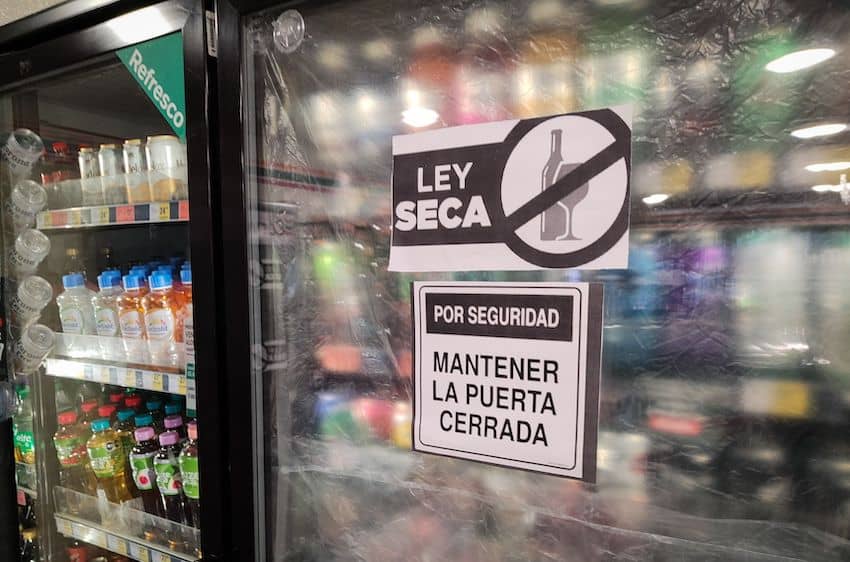
The Mexico City government has announced a dry law for Wednesday ahead of the Mexican national team’s 7 p.m. match against the Czech Republic, which will be held at Mexico City Stadium.
The statement was published in the Official Gazette, establishing that the prohibition on the sale of alcoholic beverages of any strength will begin at 3 p.m. on June 24, four hours before the game, and will end at 7 a.m. on Thursday, June 25.
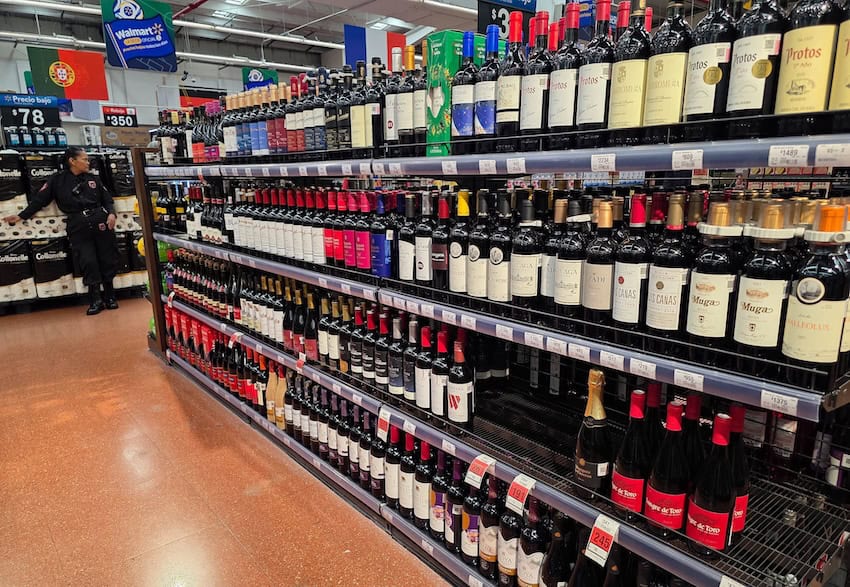
The ban will apply only in the following colonias (neighborhoods) where celebrations usually take place: Centro, Tabacalera, Juárez, San Rafael and Cuauhtémoc.
This ban will apply to stores that sell alcohol, including convenience stores, supermarkets and grocery stores.
However, the sale of alcoholic beverages by the glass with food will be permitted in restaurants, banquet halls, hotels and private clubs. Cinemas, theaters and auditoriums will also be exempt from the restriction.
Authorities will also reinforce operations against the illegal sale of alcohol in public spaces, a practice that tends to increase during major public events.
Mexico City’s Interior Minister César Cravioto made the announcement as part of broader preventative strategies to avoid incidents during the upcoming FIFA 2026 World Cup matches.

The move comes after more than 400,000 people gathered along Mexico’s central Reforma Avenue after the national team’s win against South Korea on Thursday.
While the city’s security operation helped maintain general order, some isolated incidents were reported. Still, according to the Mexico City government, “at least five people“ (out of 400,000) were arrested for participating in altercations during the celebrations.
In addition, urban cleaning crews removed nearly 40 tonnes of garbage from the streets. Minor damage to street furniture was also reported.
The Mexico City government is also repeating preventive measures used in the June 11 opener to enhance safety for fans attending the match. Vehicle restrictions will be in place around Mexico City Stadium on Wednesday, while fans trying to reach the stadium via public transport (for example, via the light rail line) will also be asked to show their tickets or credentials to board the train.
With reports from Radio Formula, Posta and La Jornada