Goodbye — or good riddance — Gustavo.
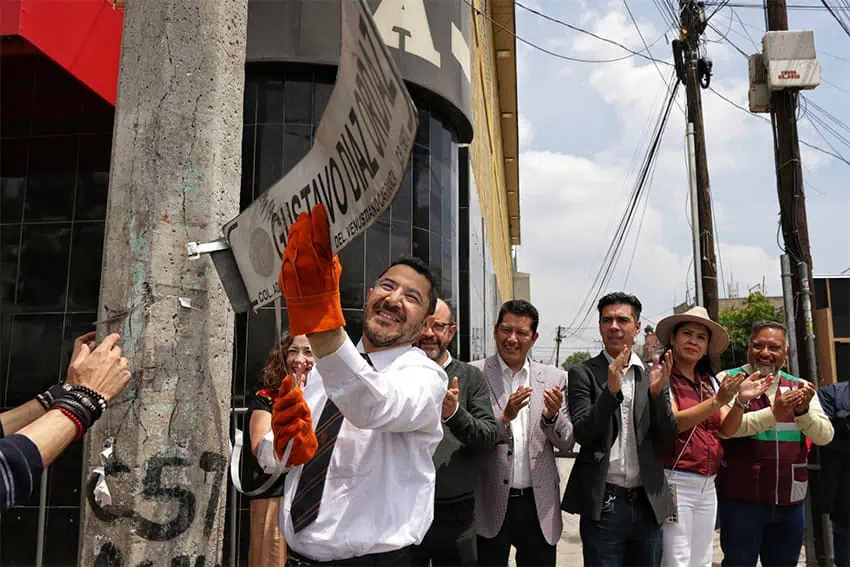
Every street in Mexico City named after Gustavo Díaz Ordaz, the president in office when the military killed hundreds of students in the 1968 Tlatelolco massacre, will be renamed after distinguished Mexican women.
The first Calle Gustavo Díaz Ordaz to be renamed was that in the neighborhood of Adolfo López Mateos (the president who preceded Díaz Ordaz), located near the Mexico City airport in the borough of Venustiano Carranza.
The street is now called Calle Elena Garro, named after the Puebla-born writer associated with the magical realism genre.
Another Calle Gustavo Díaz Ordaz in the Álvaro Obregón borough was the second to be renamed. It is now called Calle Benita Galeana, named after a writer and activist born in the state of Guerrero.
At a renaming ceremony in Venustiano Carranza last Saturday, Mexico City Mayor Martí Batres said there are 27 streets in the capital named after Díaz Ordaz and all of them will be renamed.
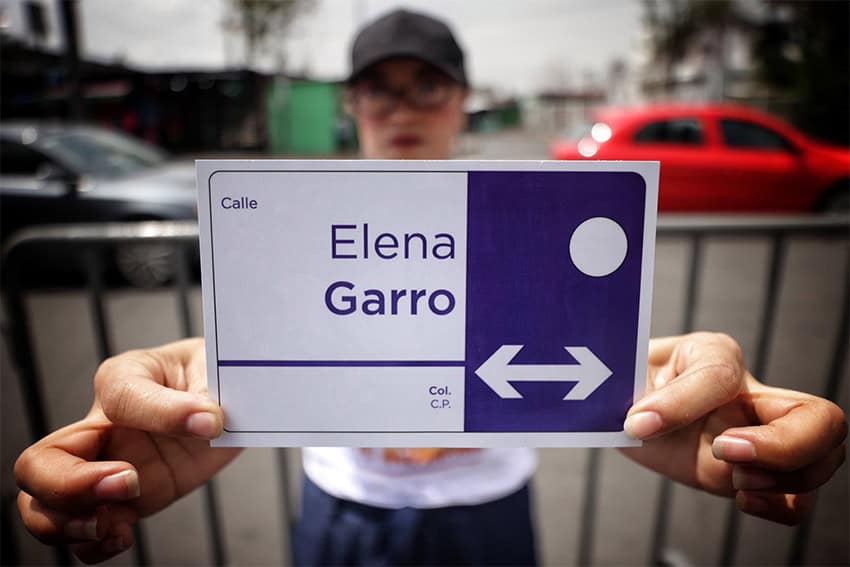
“We’re going to give them the names of distinguished, valuable and talented women,” he said.

Batres said that the Mexico City government decided to change the names of streets named after people who don’t deserve that honor.
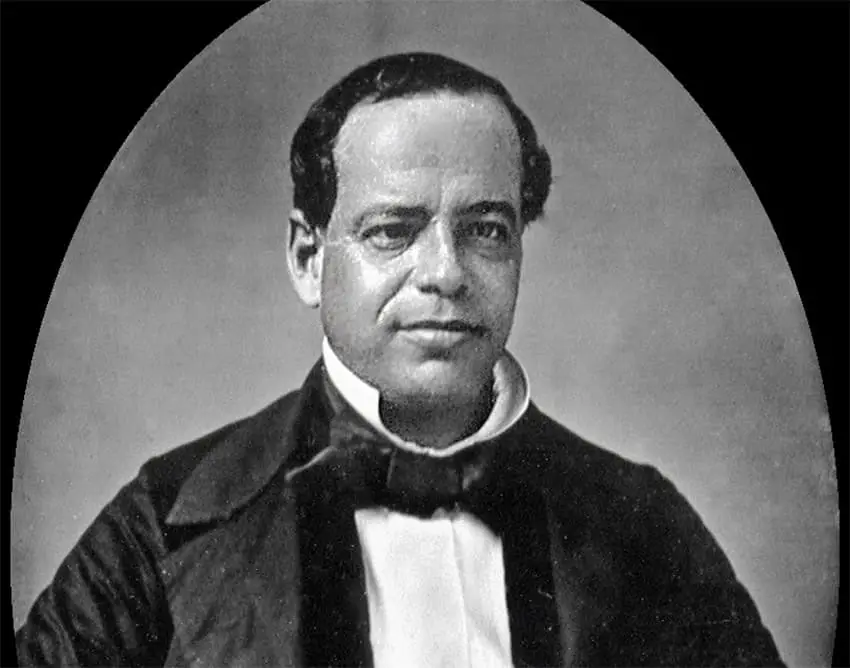
Among the other streets whose names will be changed are those named after Antonio López de Santa Anna, a 19th century president who is blamed for Mexico’s significant loss of land to the United States.
“We’re starting with Gustavo Díaz Ordaz because that leader massacred the students in 1968,” Batres said.
“We’re carrying out what we promised to do on March 8, International Women’s Day. We said that among the changes we would carry out would be to put the names of many women [on street signs] in Mexico City,” he said.
“… There are many women who deserve to be recognized and paid tribute to by giving their names to streets in Mexico City,” the mayor said.
Among the other women streets will be named after are painter Remedios Varo, poet and author Rosario Castellanos, politician and feminist activist Elvia Carrillo Puerto and activist and Mexican Revolution fighter Adela Velarde Pérez.
Those women, and others, were chosen to have streets named after them in a citizens’ consultation process in Mexico City.
In 2018, 50 years after the Tlatelolco massacre, the Mexico City government took the decision to remove all plaques in the capital’s subway system that recognized federal or city authorities in power in 1968, including ex-president Díaz Ordaz.
The metro system was built during Díaz Ordaz’s six-year presidency and its first line started operations in 1969, a year before he left office.
With reports from El Universal and La Jornada