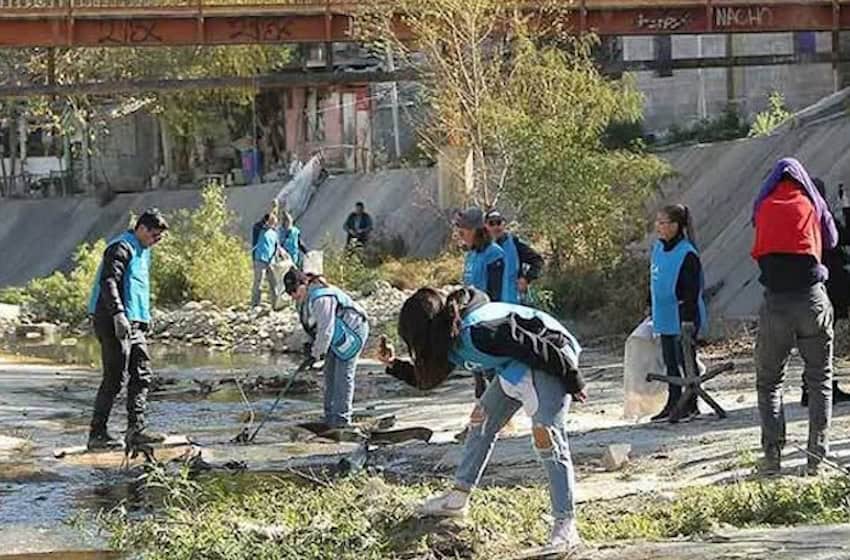
You see it across Mexico — on roadways, over vacant lots and along waterways. But a new project aims to create a model that could help cities tackle the nation’s illegal trash-dumping problem.
In the northern state of Nuevo León, a Tecnológico de Monterrey project is testing whether data, cleanup campaigns and community participation can turn one trash-strewn stream into a model for urban restoration.
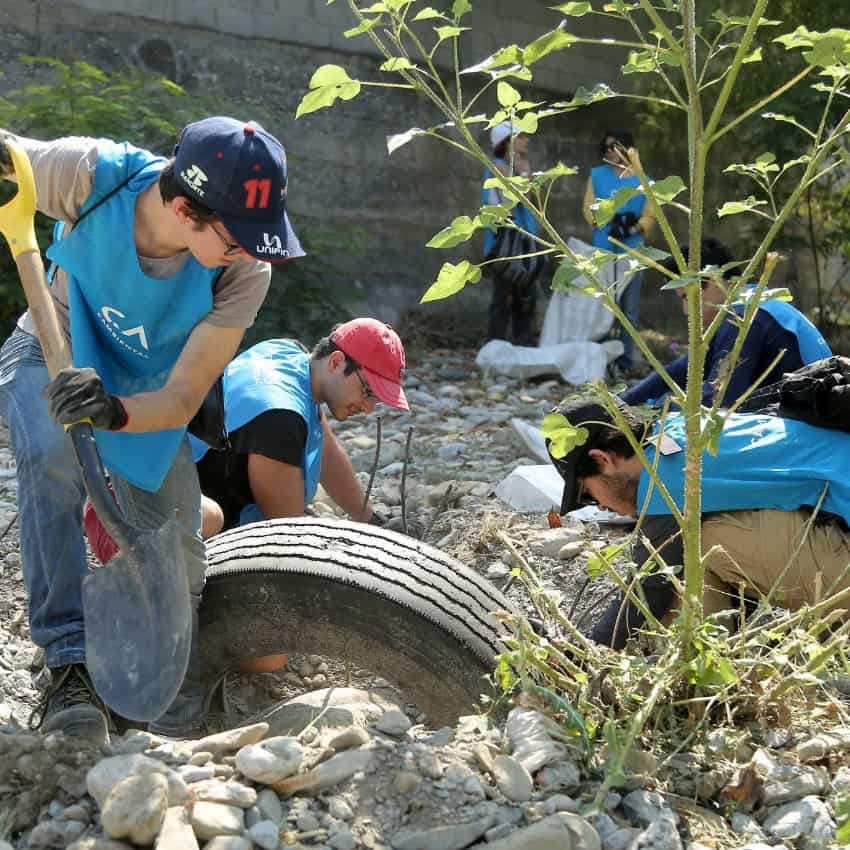
The Arroyo Vivo initiative focuses on the 13-kilometer Arroyo Seco-San Agustín, a waterway where several sections have become illegal dumping grounds. The stream begins in the mountains above Monterrey and flows through the city before joining the La Silla River.
During 16 cleanup days since the project launched in late 2022, Tec de Monterrey researchers and volunteers have removed 21 tons of waste, finding that plastics made up more than 70% of the debris. Textiles, tires and construction rubble were also common.
The project plans to use algorithms to analyze street-level images and photographs submitted by residents, helping identify and estimate the volume of waste along the stream.
It also aims to create a biological corridor along the waterway, benefiting wildlife and nearby residents. Restoring the stream could also reduce pollution and help limit flooding risks in communities along its route during heavy rains.
Researchers are developing three-, five- and 10-year plans, while acknowledging that full ecosystem restoration could take decades.

“It’s a platform with a long-term vision,” said Nélida Escobedo, a Tec researcher. “We’re looking to consolidate a replicable intervention model that will trigger a process of ecological, social and urban regeneration in Arroyo Seco.”
The problem, of course, reaches far beyond Monterrey. Mexico City officials identified 889 illegal dumps in February, nearly half in the Cuauhtémoc, Iztapalapa and Miguel Hidalgo boroughs.
Nationally, 21% of municipal solid waste was deposited at uncontrolled sites in 2012, according to a 2015 environmental report by Semarnat, Mexico’s Environment Ministry.
The report found that 90% of metropolitan areas used sanitary landfills or controlled disposal sites, but only 4.5% of rural and semi-urban localities used sanitary landfills or controlled disposal sites.
An earlier Semarnat report, using 2011 data, put the rural and semi-urban figure at 13%.
With reports from TecScience and La Jornada