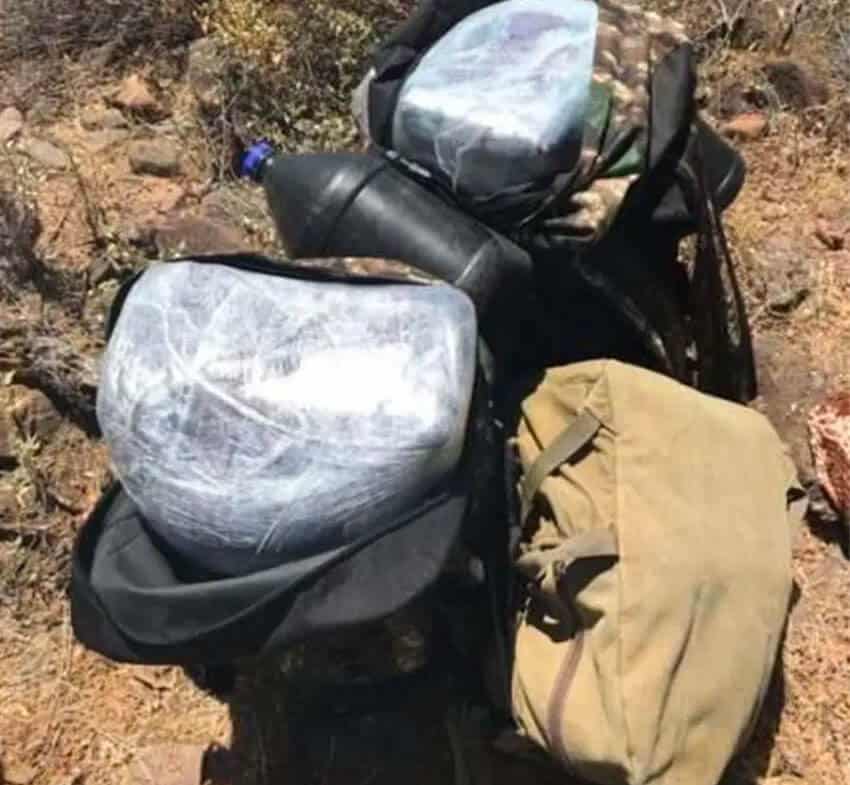
Migrants desperate to reach the United States are crossing the Sonoran desert free with the help of traffickers. But there’s one catch: they have to carry 30 kilograms of drugs on their backs into U.S. territory.
Every day, migrants from Mexico, Central America and many of the world’s most impoverished countries cross the so-called ruta de la muerte (route of death). Temperatures hit 50 C in the day and dip below 0 in the early morning.
Some of those migrants — forced into an agreement by necessity — heighten the risk of an already dangerous trip by transporting illegal substances worth a small fortune. Halfway through their trek, they might see dead bodies and skeletal remains of people who previously attempted the passage.
At least 2,000 migrants have disappeared in the desert since 2019, according to the search organizations Madres Buscadoras de Sonora (Searching Mothers of Sonora) and the Arizona search and rescue group SOS. They have rescued some 200 people in the desert area, comprising 222,000 square kilometers across Arizona, Baja California and Sonora.
Before attempting the journey, migrants have to buy camouflage clothing that makes them almost invisible to the U.S. Border Patrol agents and paint their water bottles black to prevent them from reflecting light. They also wear garlic on their feet to prevent snakes from biting them, the newspaper El Universal reported.
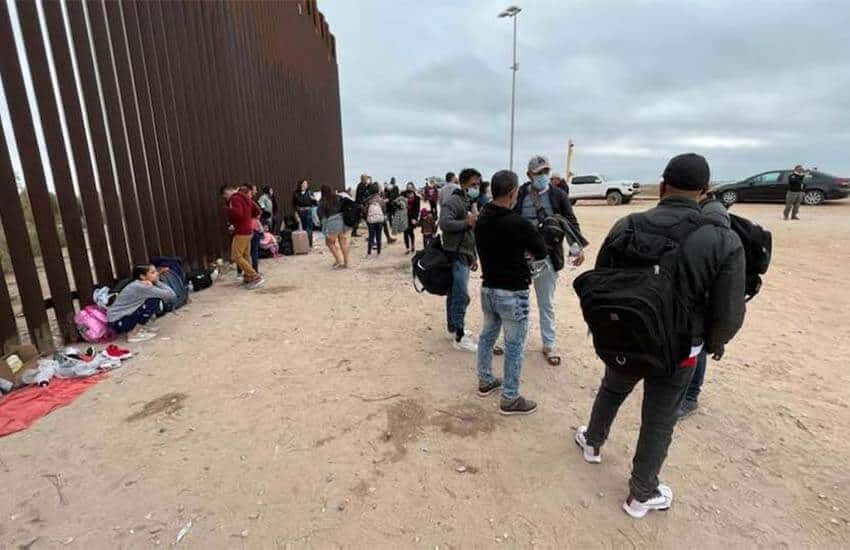
The leader of Madres Buscadores, Ceci Flores, explained why so many languish in the desert. “These people disappear. Some die of thirst or fatigue or have heart attacks. There are different factors, and we can’t always know what caused their death,” she said.
Flores noted that most reports of disappearances are for people who came from Guatemala, Honduras and El Salvador.

Josué, a 24-year-old migrant from Honduras, said he had little choice but to leave his country. “I come from Honduras. You get out of there because of crime: you can’t live, there is a lot of poverty, work is scarce and what you earn is very little. There is no improvement,” he said.
He added that risk-taking was the only way to reach the U.S. “It’s worth the risk because … the one who doesn’t take the risk doesn’t win.”
With reports from El Universal