The elimination of daylight saving time in Baja California is not advisable, according to the state economy minister, but the state government is nevertheless analyzing the proposal put forward by President López Obrador.
AMLO, a longtime critic of daylight saving time, said last week that there is a good chance that the practice of changing clocks twice a year will be terminated this year.
“We have an inquiry open to make a decision,” Baja California Economy Minister Kurt Honold Morales told reporters at his June 1 news conference, adding that a government study showed that the savings generated by daylight saving time are minimal and the harm to health is considerable. He said last Friday that the federal government intended to consult citizens on the proposal via a survey.
Honold made it clear that he is opposed to its termination in the northern border state, which is in the Pacific Time Zone – two hours behind Mexico City, which is in the Central Time Zone.
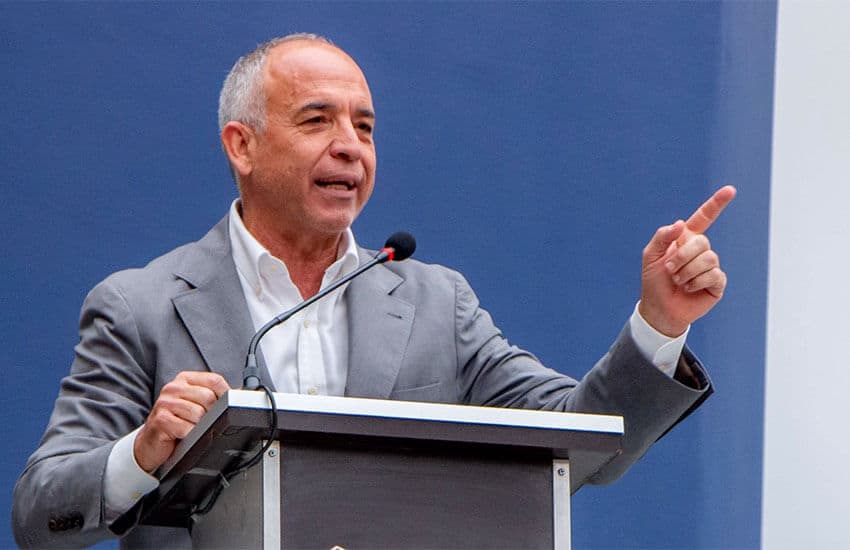
He said that non-observance of daylight saving time “would hurt us a lot on the border but especially in Baja California” because there would be a time difference of one hour with the U.S. state of California during summer. “It would affect us a lot economically,” said Honold, a former mayor of Tijuana.
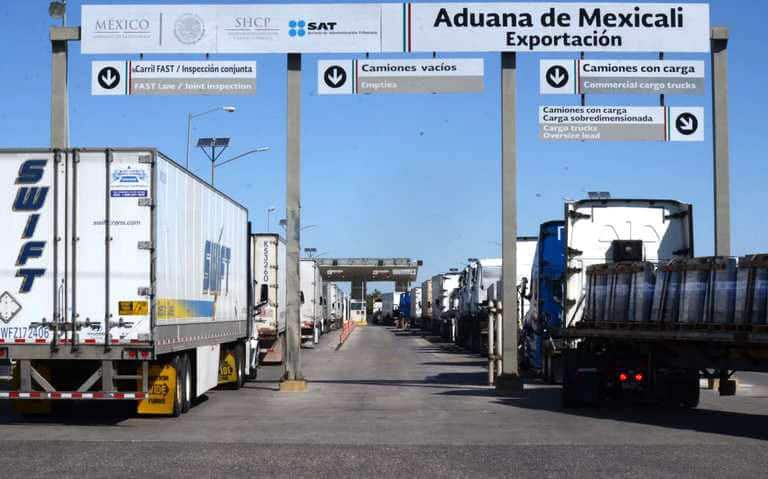
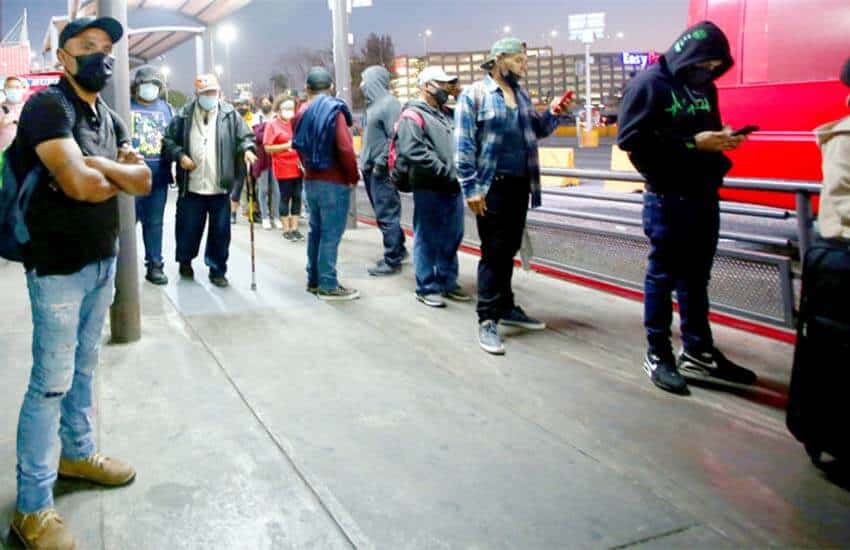
The minister said elimination of the practice would affect thousands of Tijuana and Mexicali residents who work in the United States as well as customs offices and truckers that transport goods across the border. Baja California has observed summer time since 1942, whereas it wasn’t introduced in the rest of Mexico until 1996.
“Hopefully the change isn’t made along the entire border, because it would affect all of us who are here,” Honold said. “… We’re certain that we don’t want the change.”

Lizbeth Mata Lozano, a National Action Party deputy who represents Baja California in the federal Congress, also spoke out against AMLO’s proposal, saying it would affect the binational economy and everyone who crosses the border on a daily basis. She said imports and exports would be adversely affected if there was a one-hour time difference between Baja California and California. “The economy would be completely different,” the lawmaker charged.
Governor Marina del Pilar, elected on a Morena party ticket last year, appears more open to the proposal put forward by López Obrador, perhaps because she doesn’t want to get on the wrong side of the founder of the party she represents.
“We’re going to do the corresponding analysis together with the federal government, always supporting President Andrés Manuel López Obrador,” she said Wednesday.
The governor said the “characteristics of the region of Baja California, its proximity to the border” and mobility between the state and California and Arizona have to be reviewed. “It’s very important that all these characteristics are analyzed and we’ll be doing the work in a coordinated way with the federal government,” del Pilar said.
With reports from Zeta Tijuana, El Imparcial, Milenio and La Voz de la Frontera