This week we have emerging details on the new archaeology museum being developed in Zapopan’s historic center, good news about Lake Chapala’s recovering water levels, and a look at skyrocketing real estate values in the Guadalajara Metropolitan Area (GMA).
Zapopan’s former City Hall to become an archaeology museum
Since 1949, the Palacio Municipal building in the heart of Zapopan’s historic center has housed City Hall. But in recent years — as the city’s needs have grown and key functions moved elsewhere — the building sat idle.
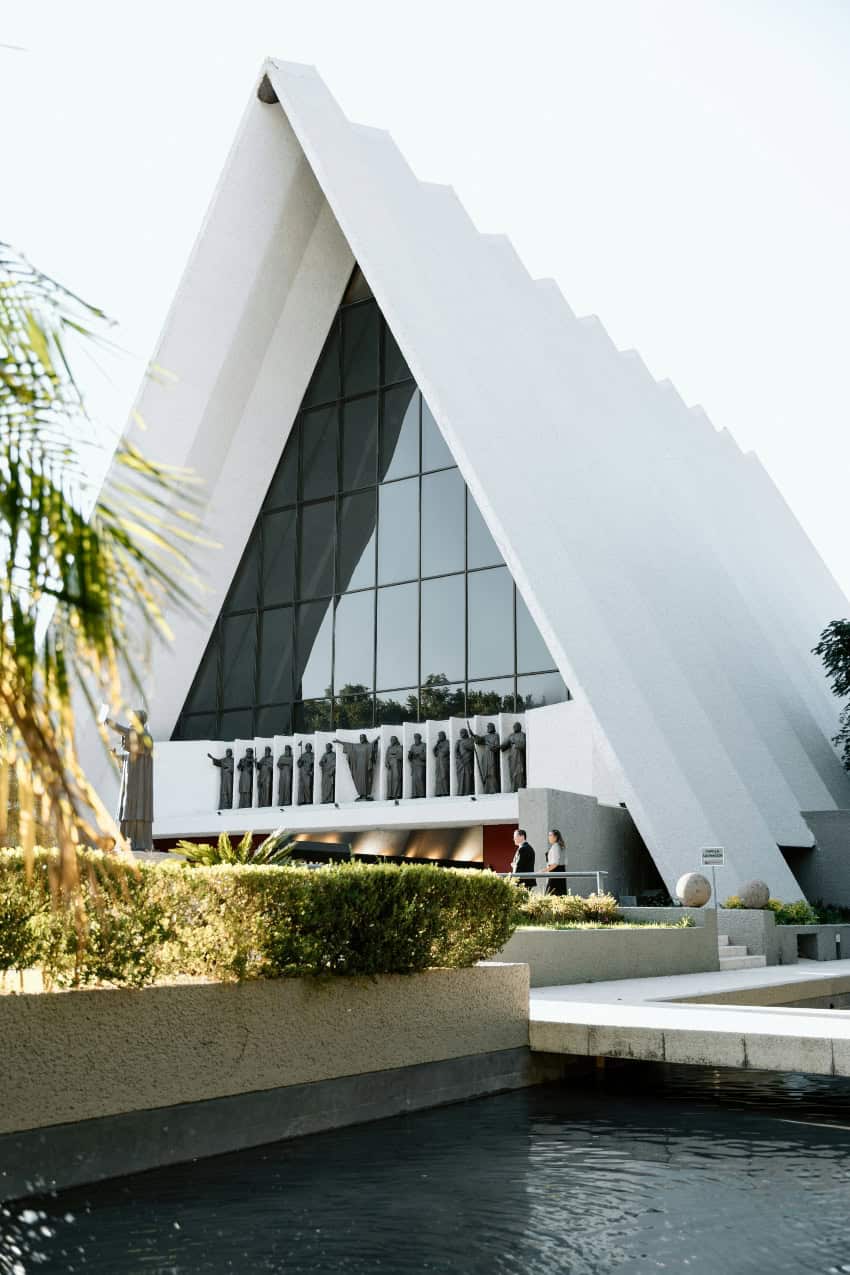
Now, with the approval of the National Institute of Anthropology and History (INAH), the Palacio Municipal building is being transformed into a new cultural venue: the Western Archaeology Museum (Museo de Arqueología de Occidente).
The institution’s stated mission is to collect, preserve and promote the archaeological heritage of Mexico’s western states — including Jalisco, Colima, Nayarit and Michoacán — allowing visitors to learn more about the area’s pre-Hispanic roots.
Curated by Lorenza López, head of the collection at the INAH Jalisco Center, the new museum will house pieces from the Regional Museum of Guadalajara, along with other works donated by private collectors.
The ceramics to be exhibited have undergone extensive restoration by students and teachers at the Western School of Conservation and Restoration (ECRO), located in the Analco section of Guadalajara. The painstaking work was carried out under the tutelage of historians, scientists and other specialists.

The ceramic pieces, chosen for their aesthetic, stylistic, and historical significance, will narrate more than 3,000 years of pre-Hispanic history in western Mexico. Highlights include Maya art from the Late Classic period and a theater-type incense burner from Teotihuacan.
Renovations on the Palacio Municipal building have been underway for months. The work is expected to preserve the structure’s architectural roots while incorporating modern updates necessary to support a world-class cultural institution.
View this post on Instagram
The Western Archaeology Museum is slated to open in early 2027. Besides exhibition halls, the venue will feature spaces for artistic research, outreach and cultural activities, as well as an outdoor terrace and cafe.
Lake Chapala’s water level is recovering
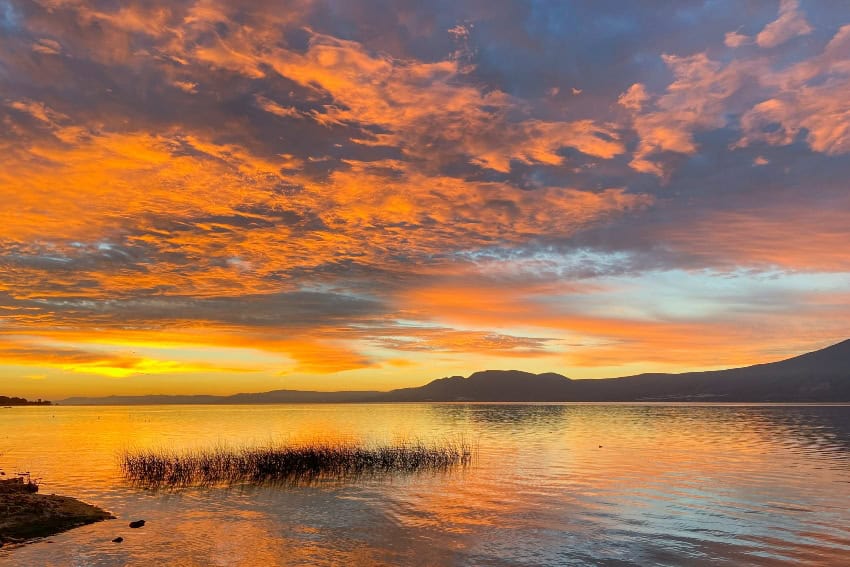
Water levels in Lake Chapala, Mexico’s largest reservoir, have meaningfully improved this summer, thanks to significant rainfall in June and July (the region’s peak rainy season).
According to reports from Conagua and the State Water Commission, as of Aug. 4, 2026, the lake is at 69.48% of its total capacity. This represents a significant recovery from June 2025, when the lake’s capacity had plummeted to just 47.5%.
What does this mean for the city of Guadalajara?
For the residents of the GMA and the entire regional ecosystem, this recovery translates into peace of mind and improved water security. Lake Chapala provides approximately 60% of the drinking water consumed daily in Jalisco’s capital city.
If the current trend continues, the reservoir could reach 75% capacity before the winter dry season arrives and reduce the specter of rationing and supply cuts over the next nine months.
Although the outlook is favorable, Conagua is strongly urging people to maintain responsible water consumption. Climate change remains an unpredictable factor for water resource management and consumption.
Ongoing monitoring of the water levels in Lake Chapala remains essential to ensure the well-being of millions of residents in Jalisco who depend on its water.
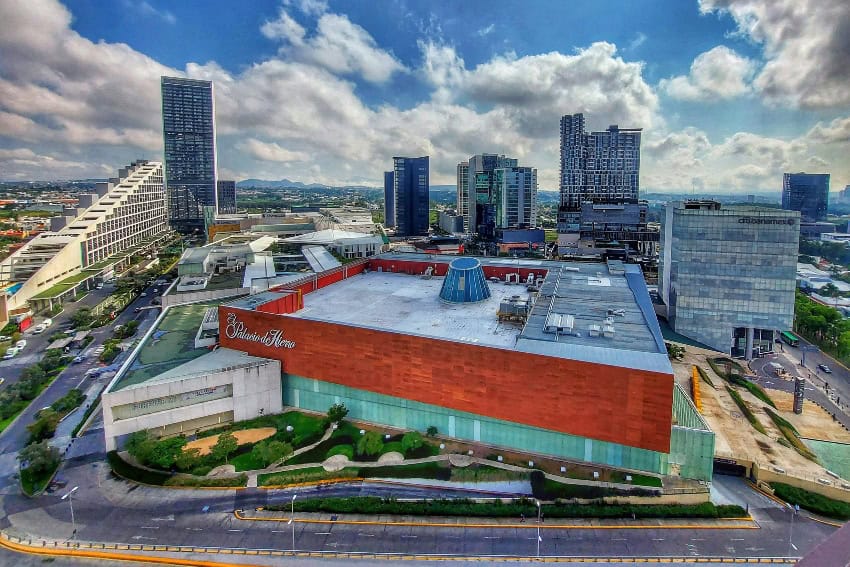
Zapopan is now home to the four most expensive neighborhoods in Mexico
Unaffordable housing is not merely a problem confined to the United States. According to a recent study by ITESO, Zapopan is now home to the four most expensive neighborhoods in all of Mexico.
The Zapopan neighborhoods with the highest prices are Ayamonte, Villa Magna, Zotogrande and Residencial Los Frailes. In these areas, current asking prices on homes for sale average between 44 million and 53 million pesos (US $2.6 million to $3.1 million), while residential rents in these neighborhoods can reach 85,000 pesos (US $4,930) per month.
Meanwhile, most families in the metro area lack the income required to purchase property valued at only 1 million pesos (US $58,000), according to the most recent Economic Analysis Bulletin of the ITESO Business School (ENI).
It’s worth noting that ITESO’s methodology relies exclusively on purchase prices and rents advertised online, which results in an upward bias in the data. This is because many lesser-value properties geared to low- and middle-income residents are not marketed online and therefore not included in ITESO’s calculations.
That issue aside, the data ITESO aggregated from Jalisco was collected in the same manner as other regions, so the lofty prices observed in Zapopan are valid for comparison purposes.
Housing is increasingly unaffordable for locals
Additionally, there is ample anecdotal evidence to corroborate ITESO’s core finding — that the local housing supply has become unaffordable to a large share of locals. This reporter has seen both Mexican families and legal foreign residents on modest incomes evicted from their homes in the past year to make way for those able to pay higher prices.
Jalisco ranks sixth nationwide for the highest rental housing costs (29,432 pesos monthly average or US $1,707) and fourth for the most expensive home sales (8.2 million pesos on average, or about US $475,000). Further, housing prices have risen 12.5% across the metro area in the past year, outpacing gains in Mexico City (5.1%) and Monterrey (9.5%), two other high-priced markets.
The national average for monthly rents is currently 27,273 pesos (US $1,582), while the average cost of a home is about 6.8 million pesos (US $394,000).
For its part, ITESO has called for more regulation in the local housing market by city authorities to curb real estate speculation and an overemphasis on short-term rentals relative to long-term residential needs. It further notes that better financing options are needed for those currently locked out of conventional mortgages.
MND Writer Dawn Stoner is reporting from Guadalajara.