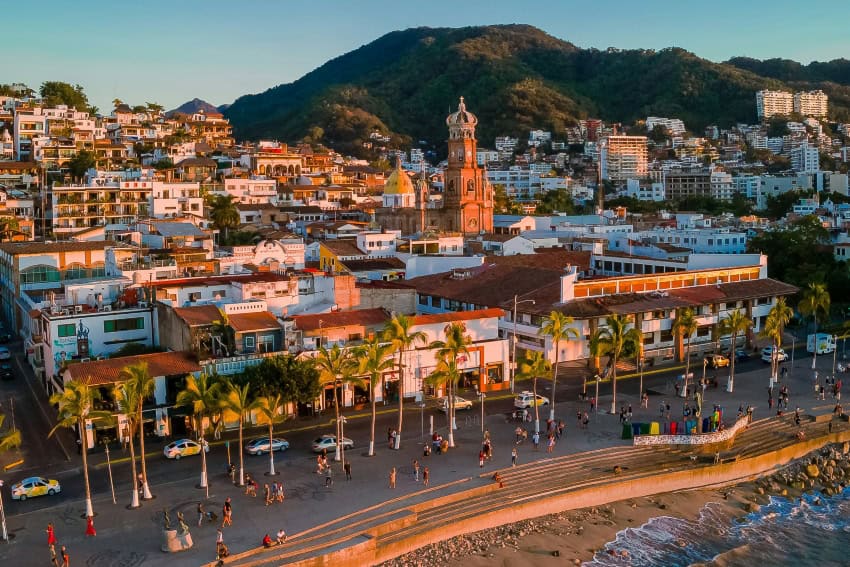
Puerto Vallarta has always known how to attract people. For decades, visitors have arrived searching for the same things: beautiful beaches, a welcoming community, incredible food and the feeling that life moves just a little differently here. But success brings its own challenges for the people living here year-round.
This week, three stories highlight different aspects of life in Puerto Vallarta: federal concerns about water quality at one of the city’s beaches, the arrival of electric buses aimed at modernizing public transportation, and the ongoing work of protecting the sea turtles that return to the region’s coastline each year.
Playa del Cuale flagged in federal water quality monitoring
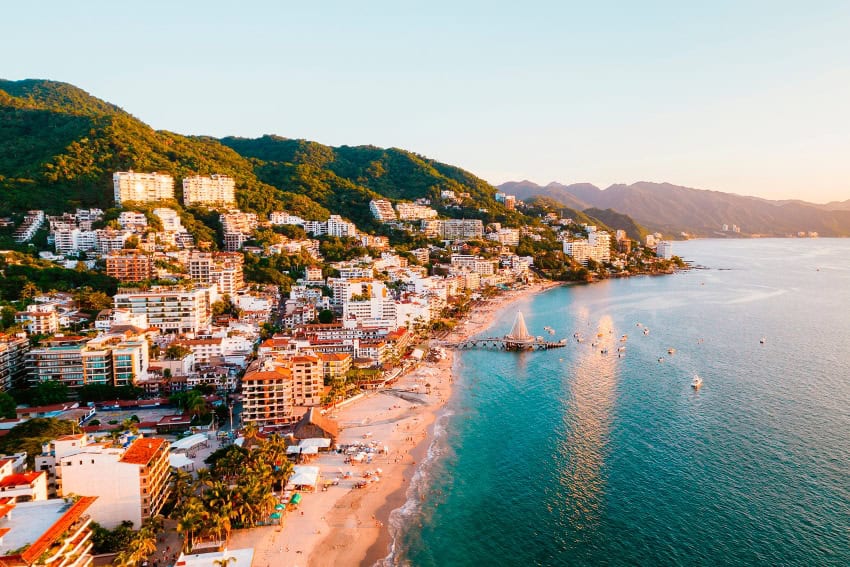
One of Puerto Vallarta’s most recognizable beaches, Playa del Cuale, has been classified as unsuitable for recreational use following the latest federal water quality monitoring program.
The Federal Commission for the Protection against Health Risks (Cofepris) included the beach among five in Mexico that exceeded permitted bacteria levels during its most recent testing between June 15 and July 1. Cofepris tests beaches by measuring levels of enterococci bacteria, an indicator used to determine whether seawater meets health standards for activities such as swimming. Beaches that exceed established limits are classified as not suitable for recreational use until conditions improve.
The classification doesn’t mean Puerto Vallarta’s beaches as a whole failed inspection. Cofepris reported that 98.3% of beaches tested nationwide met the required standards for recreational use. However, the result draws attention to Playa del Cuale and raises questions about what contributed to the elevated bacterial levels and what measures will be taken to address the issue. Located near the mouth of the Cuale River, the beach is an area where factors such as rainfall runoff, drainage systems and coastal conditions can all influence water quality.
For residents, the report serves as a reminder of the importance of monitoring and maintaining the environmental systems that support a growing coastal city.
Puerto Vallarta receives first electric buses as public transport changes begin
Puerto Vallarta has taken its first step toward introducing electric public transportation, with the arrival of new electric buses designed to operate along one of the city’s busiest corridors.

The first units arrived as part of a state-backed electromobility project led by the government of Jalisco. Seven articulated electric buses are expected to serve the Francisco Medina Ascencio corridor, connecting important areas of the city, including the hotel zone, Marina Vallarta, Ixtapa and the Centro Universitario de la Costa area.

The buses are designed to carry high passenger volumes and include features such as air conditioning and accessibility improvements.
The introduction of electric buses represents one of the most significant changes to Puerto Vallarta’s public transportation system in years. For residents, however, the success of the project will ultimately be measured by how it performs in daily life.
Public transportation is a major issue for many people who depend on buses to travel to work, school and essential services. As Puerto Vallarta continues to grow, questions about traffic congestion, reliability and accessibility have become increasingly important.
The arrival of electric units marks the beginning of a transition, but residents will be watching how quickly the new system expands and what improvements it brings to everyday commuting.
Boca de Tomates turtle camp reports thousands of hatchlings released
While Puerto Vallarta continues to develop, conservation groups are working to protect one of the species that’s long been part of the region’s natural identity.
The Boca de Tomates turtle camp reported the release of 30,864 sea turtle hatchlings during the latest nesting season, following efforts that protected 521 nests containing more than 36,000 eggs.
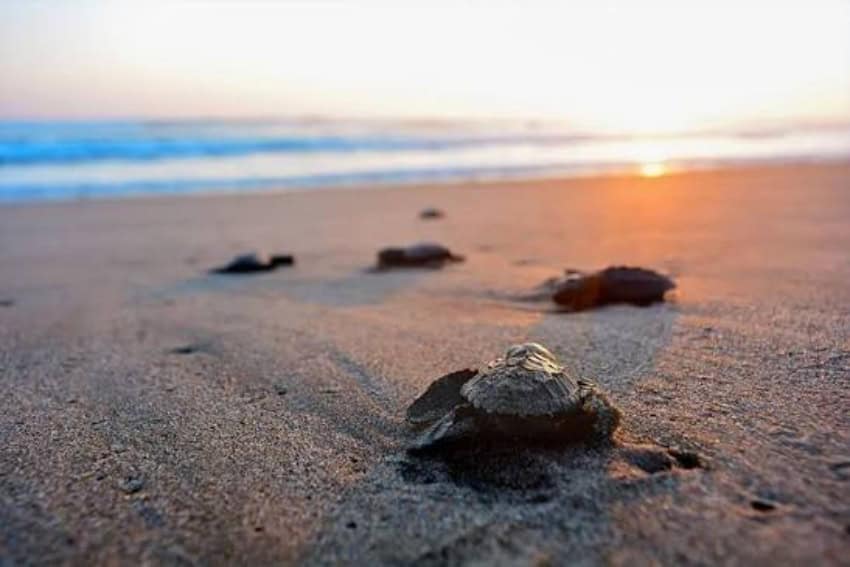
The conservation program, located along the northern coastline of Puerto Vallarta, works throughout the nesting season to monitor beaches, protect nests from threats and help ensure hatchlings can safely make their way into the Pacific Ocean. The annual effort depends on the work of conservation staff, volunteers and community members who patrol nesting areas, relocate vulnerable nests when necessary and organize releases once the young turtles are ready to begin their journey.
For residents, the results highlight the role that local conservation organizations play in protecting Puerto Vallarta’s natural environment. While discussions about coastal growth often focus on development pressures, programs like Boca de Tomates demonstrate the ongoing work taking place to preserve local wildlife.
As Puerto Vallarta continues to change, the annual return of sea turtles and the thousands of hatchlings given a better chance of survival through these efforts remains an important part of the region’s environmental story.
Together, these stories offer a snapshot of a city continuing to evolve. Puerto Vallarta’s growth brings new opportunities, but it also highlights the importance of investing in the systems, services and natural resources that support the community that calls it home.
Charlotte Smith is a writer and journalist based in Mexico. Her work focuses on travel, politics and community. You can follow along with her travel stories at www.salsaandserendipity.com.