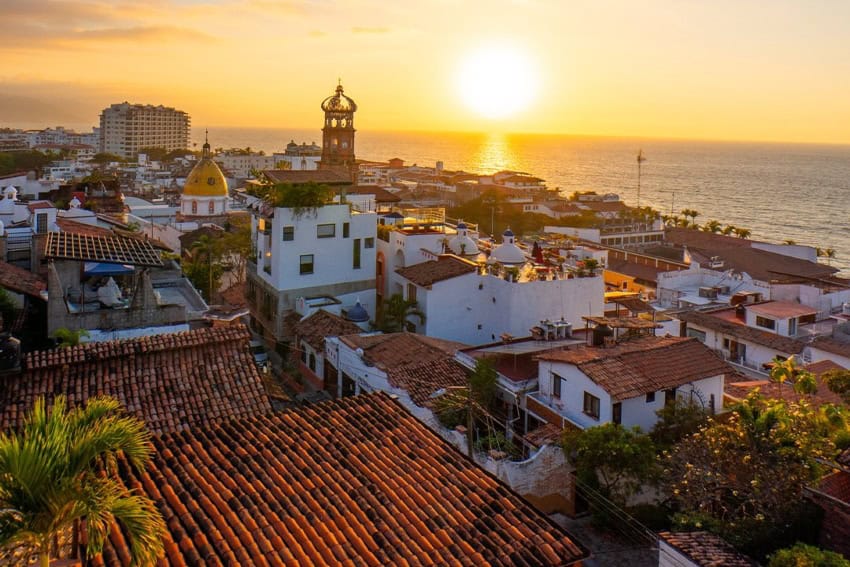
In Puerto Vallarta, a mix of civic activism, economic expansion and infrastructure policy shifts is shaping early 2026 in the Bay of Banderas, with community groups, businesses and government authorities all in the spotlight.
Protest demands public beach access
Residents of Mismaloya, local tourism operators and environmentalists recently staged a blockade of Federal Highway 200, near the iconic beach zone of Los Arcos de Mismaloya. Protesters demanded unfettered public access to the shoreline after a private company installed fencing and signage on the federal coastal zone. Protesters cited constitutional protections guaranteeing free beach access and called for greater legal clarity on the status of the area.
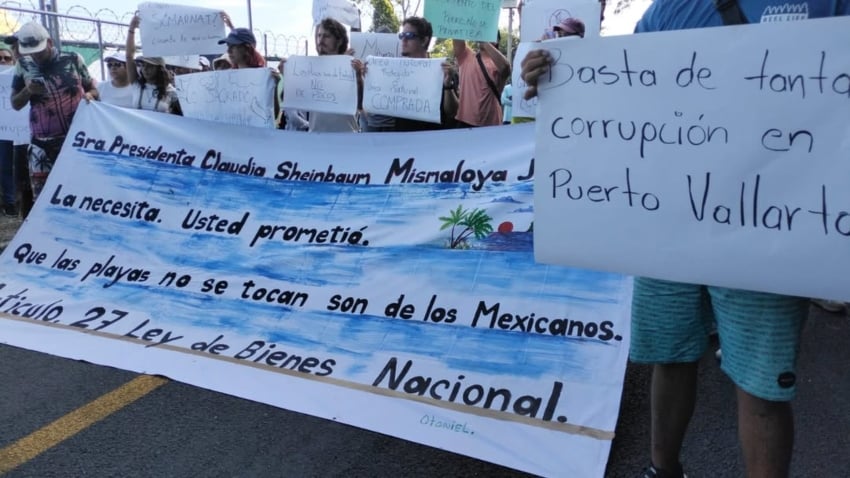
Puerto Vallarta City Council member Melissa Madero joined the demonstrators and helped broker an end to the temporary road closure, with promises from the municipal government to engage in dialogue and pursue a formal petition to federal environmental authorities, including the Environment and Natural Resources Ministry (SEMARNAT), for transparency and protection measures.
The petition demands an official stance from city hall, publication of historical land records tied to the site and a ban on future private concessions or construction in the federal coastal zone.
In parallel, the Puerto Vallarta City Council has also pushed forward a separate initiative urging SEMARNAT to elevate Los Arcos’ legal status to that of a federally protected natural area (ANP), a move local officials say would safeguard marine ecosystems and shore access against future development pressures.
City’s tourism numbers remain strong
The protests come as the broader tourism sector continues to show resilience. Local and state tourism data indicate that Puerto Vallarta has maintained robust visitor arrivals through 2025, with significant international and domestic traffic boosting economic activity across hotels, restaurants and tour services.
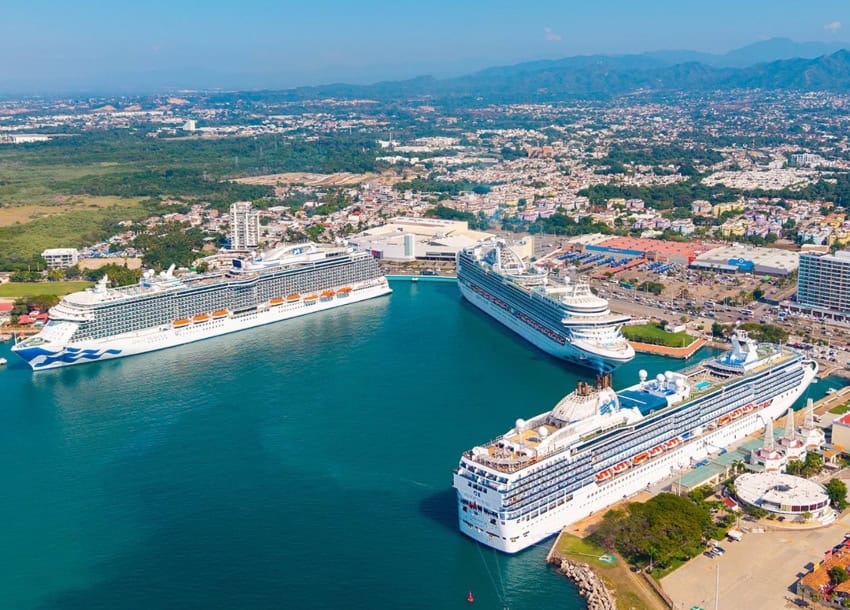
Cruise tourism in particular has seen notable growth in recent years, with hundreds of thousands of passengers arriving by sea, underlining Puerto Vallarta’s importance as a regional gateway. Puerto Vallarta consistently lands among Mexico’s top five most-visited cruise ports. Between January and December 2025, it received 453,198 cruise passengers on 143 ships.

Puerto Vallarta supports the fishing sector
Amid these developments, city leadership has also signaled support for the local fishing sector, approving 300,000 pesos in targeted funding aimed at bolstering small-scale commercial fishing operations and sustaining traditional livelihoods integral to the Bay of Banderas’ coastal economy.
Officials say the investment reflects a broader commitment to balancing tourism growth with community economic needs.
Fishing communities and environmental advocates nationally have highlighted the importance of sustainable fisheries management as Mexico faces mounting pressures on its marine resources, underscoring why local backing of fishing interests carries both economic and cultural weight.
Transition to electronic toll passes begins
On the transportation front, a major shift in how drivers pay for highway use is underway across Mexico. Starting this month, the federal toll road system is transitioning toward an electronic tag requirement at many plazas operated by Federal Roads and Bridges and Related Services (CAPUFE) and others, reducing the availability of cash-payment lanes and encouraging motorists to obtain a compatible toll pass instead.
This change is part of a broader effort to streamline traffic flow and modernize Mexico’s highway operations, but it has prompted questions for residents and visitors alike who frequently travel between Puerto Vallarta and Guadalajara.
Charlotte Smith is a writer and journalist based in Mexico. Her work focuses on travel, politics and community.