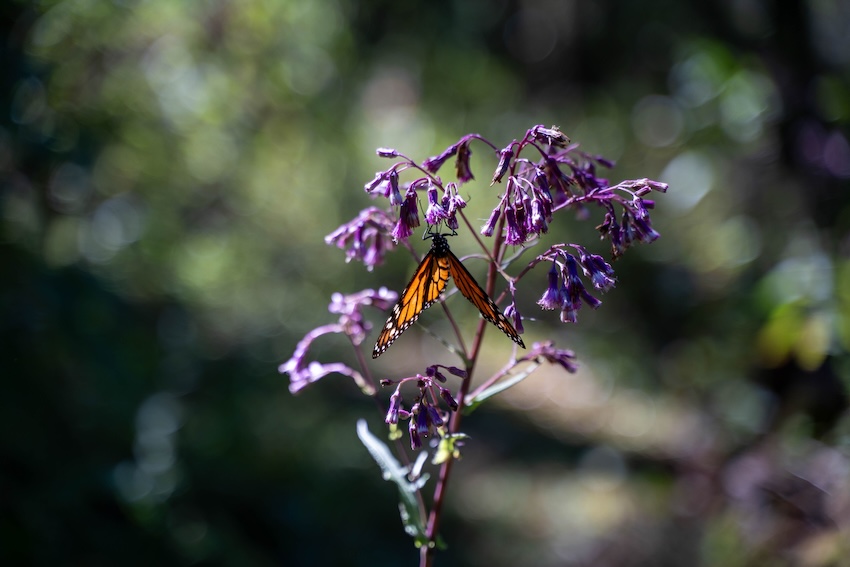
The butterflies are coming! The butterflies are coming!
The first waves of monarch butterflies began crossing into Mexico this week. They are fluttering over the northern states of Tamaulipas, Coahuila and Nuevo León on their way to reaching the fir forests of Michoacán and México state by early November, where they will spend the winter clustered throughout oyamel fir sanctuaries before starting their northward return journey in March.
Mexico’s monarchs: a magical experience for the whole family
According to Mexico’s National Commission for the Knowledge and Use of Biodiversity (Conabio), the monarchs began their migration in mid-August. During the last few days of September, citizen observers reported seeing groups of monarchs in Oklahoma, Kansas, Missouri and Texas.
Along the migration route, local organizations are stepping up efforts to protect the butterflies.
Eduardo Rocha Orozco of the Tamaulipas Parks and Biodiversity Commission said the state “is working in coordination with municipalities and organizations, providing support along the [migratory] corridor.”

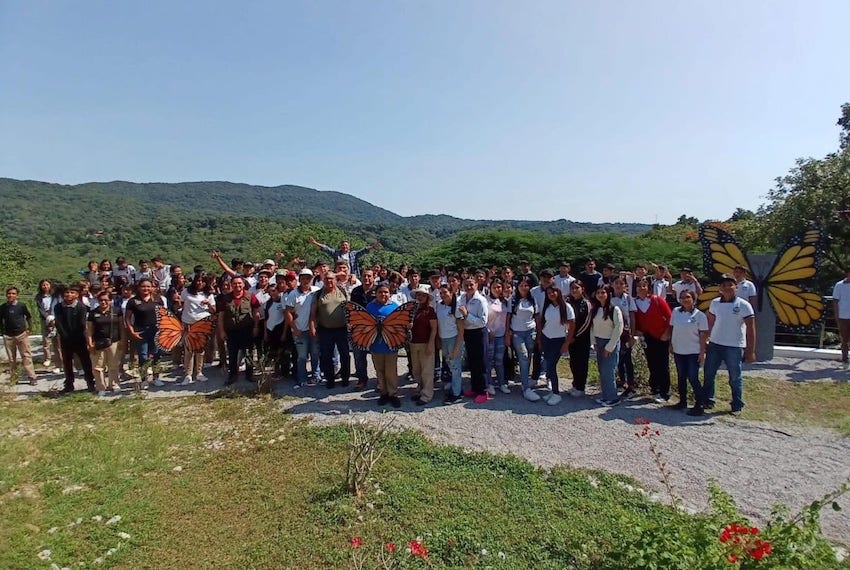
Pollinator gardens and wildlife watering stations have been established in the Tamaulipas municipality of Gómez Farías and the nearby El Cielo Biosphere Ecological Park, a UNESCO-recognized area prized for its biodiversity and ecotourism.
As hundreds of thousands of monarchs sweep south over Guanajuato and Querétaro skies, experts urge citizens to help protect their passage.
“The migratory population is declining,” pointed out naturalist Jean Dotson. “So people can help by planting nectar plants [and] Gregg’s blue mistflower, which is the most favored plant of monarch butterflies, and also milkweeds, where they can lay their eggs and keep the population going.”
The scientific purpose of the monarchs’ trip is to escape low temperatures and snowfall, and to seek refuge where the humidity and temperature conditions are ideal for their survival.
As the monarchs overwinter in Mexico, they go through a period of reproductive diapause (a state of suspended development), and generally do not lay eggs until they return northward and the days get longer and warmer in early spring.
To celebrate their arrival in Mexico — and the enduring link between butterflies and Día de Muertos traditions — some states and localities will participate in a national celebration.
In Tamaulipas, Gómez Farías will host the Monarch Butterfly Cultural Festival Oct. 28-30. The event combines science and art, including a school contest inspired by the belief that monarchs carry the souls of the departed back to Mexico.
With reports from TV Azteca, KTXS TV and Mi Morelia