The movement to remove the name and image of former president Gustavo Díaz Ordaz from the public view is gaining traction.
The Mexico City government was the first to act by removing plaques bearing Díaz Ordaz’s name from the subway system this week, the 50th anniversary of the Tlatelolco massacre.
At least 300 people died after Diaz Ordaz ordered the use of force against protesters in Mexico City on October 2, 1968.
Now, more proposals have sprung up in at least 10 other states.
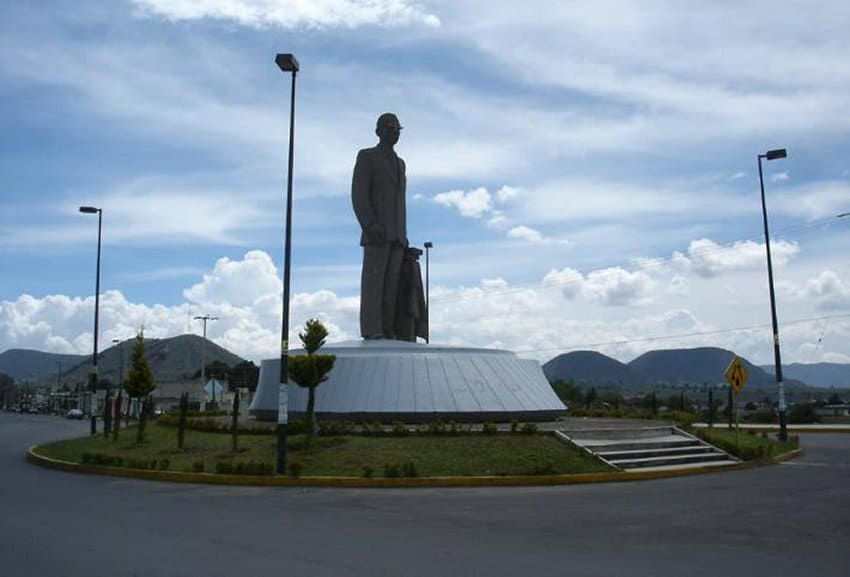
Citizens in Nuevo León, picks and hammers in hand, volunteered to demolish a soaring eight-meter-high statue of the former president that has stood in the municipality of Linares since 1969.
Their proposal was formally delivered to the mayor with two picks attached.
In Hidalgo, a state congressman presented a proposal to declare former presidents Díaz Ordaz and Luis Echeverría Álvarez (who was interior secretary in 1968), along with former governor Alfonso Corona del Rosal, as persona non grata and remove their names from public spaces.

In Jalisco, university students requested that the municipal governments of Guadalajara and Tlaquepaque remove the name of Díaz Ordaz’s defense secretary, Marcelino García Barragán, from a boulevard.
Similar petitions to remove the ex-president’s name from thoroughfares have been filed in Baja California, Chihuahua, Guanajuato and Coahuila. In Puebla, there is a petition for the removal of a statue in Ciudad Serdán, while in San Luis Potosí people want plaques removed at the state university.
In Tamaulipas the anti-Díaz Ordaz groundswell could mean renaming an entire municipality, Gustavo Díaz Ordaz, located in the northern reaches of the state.
If the movement continues to spread as many as 200 public schools across Mexico, from kindergartens to preparatory schools, could be getting new names.
Source: El Universal (sp), Animal Político (sp)