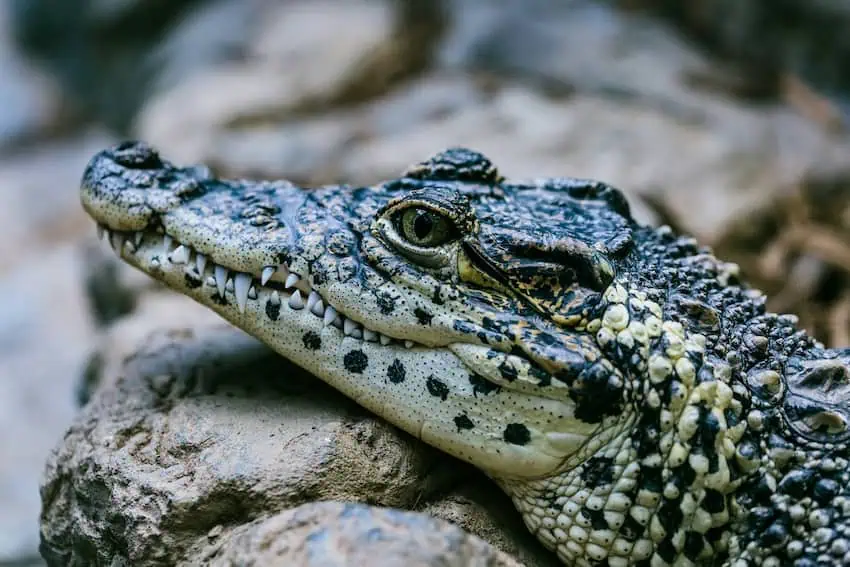
Authorities in the state of Jalisco are set to launch the second phase of a strategy designed to reduce conflicts between people and crocodiles in Puerto Vallarta, home to several hundred of the protected reptiles.
The state’s environmental protection agency (Semadet) announced last week that the next stage of the Strategy for Responsible Coexistence between Humans and Crocodiles will begin the first week of September.
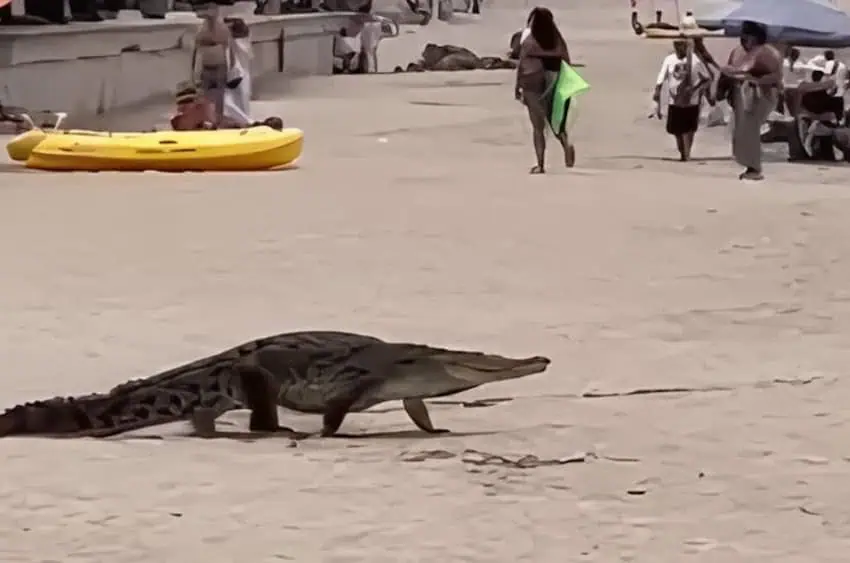
This comes on the heels of several alarming incidents in Puerto Vallarta last month, including the killing of two adult crocodiles — one found decapitated with some of its tail cut off in the protected El Salado Estuary, another tied up by its snout and legs with bullet wounds to the head.
In addition, lifeguards at one popular beach captured a 3.7-meter (12-foot) crocodile and relocated it to a safe area outside the tourist zone.
Officials said a big part of the bilingual plan is already being disseminated through social media and includes a partnership with local hotels to get information in English to tourists.
Using infographics with clear and accessible language, the materials explain the ecological importance of crocodiles, how to behave in their presence and what actions to take in the event of an encounter.
“The important thing is to stop the negative interactions that have led to accidents and consolidate a long-term strategy for healthy coexistence,” said José Daniel Graff Pérez, Semadet’s director general of natural resources.

He described the information as “simple, engaging and non-scientific” and that it can be “understood by both children and adults.”
🐊 Hoy, en el Día Nacional del Cocodrilo, recordamos la importancia de respetar su hábitat y convivir de manera responsable con esta especie.
🎥 ¡Da click en el video y aprende más sobre los cocodrilos! pic.twitter.com/qEIEqFXt2W
— SEMADET Jalisco (@SemadetJal) August 23, 2025
The second phase will begin with a working group that includes state and municipal authorities, academics and specialists.
Short-term goals of this phase include posting warning signs and establishing clearer responsibilities for institutions.
Officials estimate between 300 and 350 crocodiles live in the Bay of Banderas, with only about 45 breeding adults.
Roughly 60 live within the El Salado Estuary, where that one croc was found decapitated.
“It was a disturbing and violent incident,” Graf Pérez said, noting that the crime was committed by intruders who had entered the protected area. “With such small numbers, the viability of the population is at risk.”
Crocodile encounters are common in the Puerto Vallarta area. Three years ago, a crocodile measuring approximately 4 meters was captured on a walking path along the Pitillal River.
The area’s beaches are places of transit for crocodiles, who often move through the sea because their natural habitat of estuaries and mangroves have shrunk due to urban growth and tourism.
Moreover, the rainy season expands local waterways, encouraging crocodiles to seek new feeding and breeding grounds. As a result, crocodile sightings increase around this time of year.
The breeding season, which peaks in July and August, is considered a particularly sensitive period for the species.
With reports from Vallarta Independiente, Quadratin Jalisco and GlobalMedia