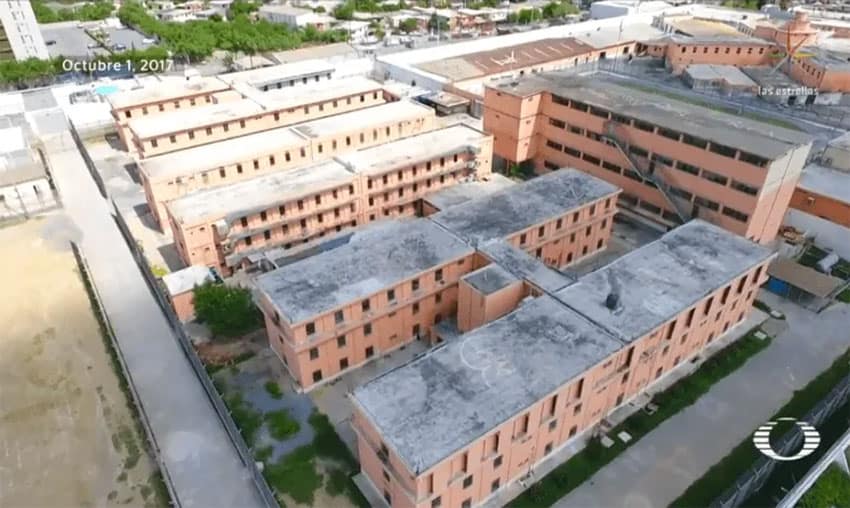
A recently-closed 76-year-old prison that became notorious for violence will be open to the public for the next five weeks prior to demolition.
The Topo Chico prison in Monterrey, Nuevo Léon, where 49 prisoners were killed in a riot in 2016, was closed by Governor Jaime Rodríguez Calderón on September 30 after its inmates were transferred to jails in Apodaca and Cadereyta.
Until December 15, members of the public aged 18 and over will be able to take free guided tours of the penitentiary to learn about its storied history.
Nuevo León tourism chief Miguel Ángel Cantú said the tours will run Wednesday through Sunday and visitors will have the opportunity to see 12 different areas of the jail.
Some parts of the prison complex will be off limits, he said, because authorities are carrying out investigations to determine whether there are any hidden graves.
The Topo Chico prison housed about 300,000 criminals between its opening in October 1943 and its closure just over a month ago.
Inmates ranged from leaders of criminal organizations convicted of multiple homicides to small-time crooks such as a young man who did two and a half years for stealing a kilo of barbacoa (slow-cooked meat).

Among the areas of the prison open to the public are the cells, the Sigma Theater and the Catholic temple.
Built in 1945, the theater hosted countless plays and performances that entertained thousands of inmates over the years. During the prison tour, visitors watch a five-minute video that gives an overview of Topo Chico’s history.
Built in 1963, the temple is one of the best-preserved parts of the prison. Monterrey archbishop Rogelio Cabrera López is among the church leaders who have officiated at masses within its walls.
On Friday, the first day that the guided tours were offered to the public, 2,043 visited people visited the Topo Chico prison, Nuevo León tourism authorities said.
Laura Morales, a law student, told the newspaper Milenio that seeing how inmates lived in the prison was “depressing” but the visit served as a reminder to stay on the right side of the law.
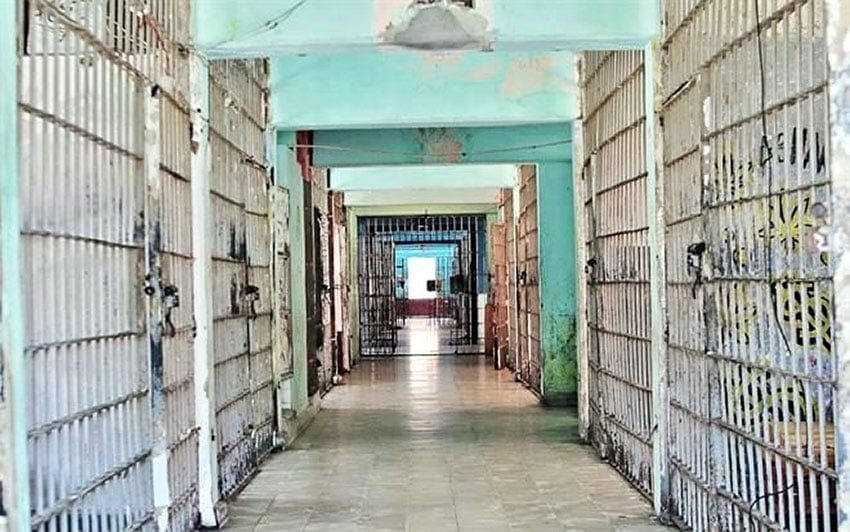
“. . . Going in and hearing about how people live there gives you a sensation of sadness,” she said, adding that she was left with no desire to end up in prison herself.
At a ceremony on Thursday to mark the opening of the prison to the public, Governor Rodríguez said the main purpose of the tours was to open young people’s eyes to the horrors of life on the inside.
He recalled that when he first moved to Monterrey from his family ranch at the age of 16, young men were often sent to spend a night in Topo Chico as punishment for public drunkenness, brawling or being too amorous with their girlfriends in the city’s squares.
The next day, they would be given a broom to sweep the city’s streets or made to wash a police car, Rodríguez said.
The governor said that after the prison visits conclude in the middle of next month, Topo Chico will be knocked down and a new state archives building and public park will be built on the site.
The 650-million-peso (US $34-million) project is expected to be completed in 14 months.
Source: Expansión Política (sp), El Universal (sp), Milenio (sp)