A global thirst for mezcal has turned Oaxaca’s signature spirit into a multimillion-dollar export engine — and is stripping hillsides of forest, stressing water supplies and leaving rivers fouled by waste, researchers and producers say.
Mexico produces more than 11 million liters of mezcal per year, and most of that production is in Oaxaca. More than 70% of that mezcal is sent abroad, with most of the exports going to the United States.
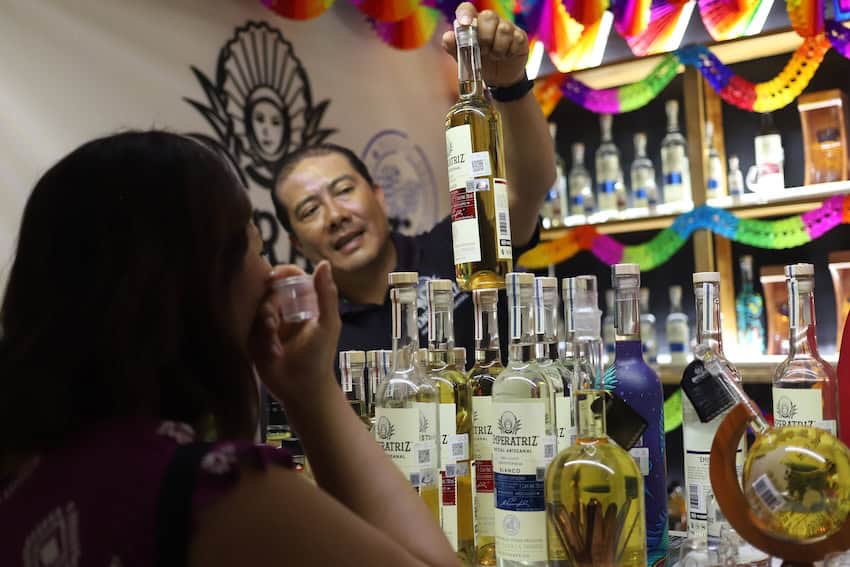
That 11 million liters per year is even more impressive when you consider that the total produced in 2010 was only 1 million.
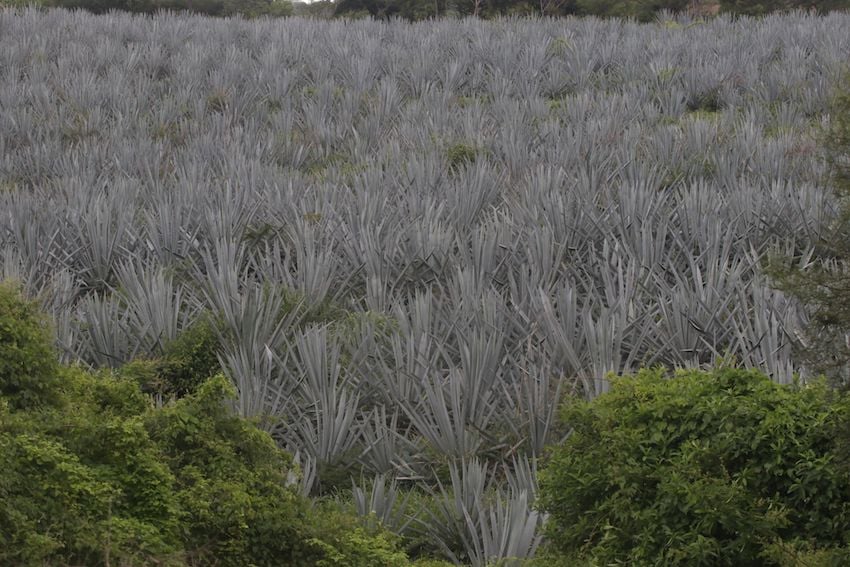
To feed that boom, agave fields now blanket slopes that used to be tropical dry and pine-oak forests — in the Central Valleys of Oaxaca and in areas such as Santiago Matatlán, the “World Capital of Mezcal” with more than 150 mezcal distilleries.
A 2025 study led by Rufino Sandoval-García of the Technological University of the Central Valleys of Oaxaca estimated that 34,953 hectares of those forests disappeared over 27 years as plantations expanded by more than 400% in three decades.
The predominance of espadín, the main agave used in commercial mezcal, is pushing monoculture, accelerating soil erosion and reducing carbon sequestration by roughly 4 million tons of carbon dioxide a year in the areas studied, the research found.
Sandoval-García’s team also warned that concentrating crops in cleared zones creates heat islands and limits groundwater recharge.

Mezcal production is water- and wood-intensive, as one liter of spirit can require at least 10 liters of water for fermentation and distillation. Fibrous residue (bagazo) and wastewater (vinazas) are often dumped untreated into rivers, while large volumes of firewood — some from illegal logging — are burned to roast agave and fuel stills, according to the study.
Producers say the shift has displaced traditional farming systems such as the milpa, an Indigenous intercropping method in which corn, beans and squash are grown together in the same plot.
To combat the polluting of rivers, some distilleries are installing systems to cool and reuse water or reintroducing wild agaves and trees, but they say scaling up such practices is difficult.

Federal law requires authorization from the Environment Ministry (Semarnat) to convert forests to plantations, yet the agency says it has received no requests to clear forest for agave in Oaxaca in the past three years.
It is investigating nine public complaints since 2021 over alleged illegal deforestation linked to mezcal.
Major brands say they are trying to curb damage.
Del Maguey, one of the most internationally recognized labels, reports using bagazo and vinazas in infrastructure meant to prevent flooding and contamination, and says it has backed tree-planting programs. Del Maguey specializes in small‑producer, “single village” bottlings from Oaxaca (and some from Puebla).
Community groups are also pushing back. The Guardianas del Mezcal collective and the conservation project Tierra de Agaves promote reforestation and mezcal made with practices such as using only fallen trees for firewood and intercropping agave with other crops.
Even critics concede the boom has brought jobs and higher incomes in one of Mexico’s poorest states, underscoring the tension between protecting land and livelihoods.
With reports from Vanguardia, Associated Press and La Jornada