The group of 23 oil producing nations known as OPEC+ agreed to cut production by 9.7 million barrels per day (bpd) in May and June after reaching an agreement with Mexico.
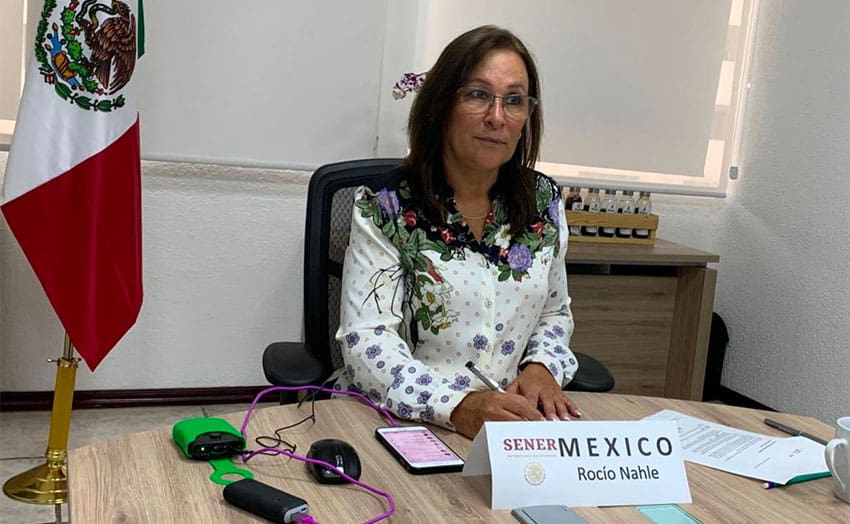
In a Twitter post on Sunday afternoon, Energy Minister Rocío Nahle said that the 23 countries had reached a “unanimous agreement” to reduce supply in order to stabilize prices as demand for oil plummets due to the coronavirus pandemic.
The cut, which includes 2.5-million-bpd reductions by both Saudi Arabia and Russia, will reduce global oil supply by about 10%. OPEC+ initially asked Mexico to reduce its production by 400,000 bpd but the government refused.
President López Obrador said on Friday that the group subsequently lowered its request to 350,000 bpd. To help Mexico comply, the United States agreed to cut its oil production by an additional 250,000, he said.
In turn, Mexico committed to reducing its output by 100,000 bpd, an amount that represents 5.5% of daily production in March.
United States President Donald Trump told reporters on Friday that the U.S. would “help Mexico along, and they’ll reimburse us sometime at a later date when they’re prepared to do so.”
He said that the United States would cut production by 250,000 to 300,000 bpd in May and June. The Energy Ministry of Azerbaijan, one of the 10 countries that joins the 13 core OPEC members to form the larger group, said that that the United States would compensate for Mexico by making an additional 300,000 bpd cut.

The deal is a diplomatic victory for Mexico even though Trump indicated that he expects something in return. López Obrador had charged that the cut asked of Mexico was unfair considering that its production is much lower than some other OPEC+ members and that it is only just starting to recover from a prolonged decline in crude output.
Foreign Affairs Minister Marcelo Ebrard praised Nahle for her role in reaching Sunday’s agreement.
“Very good work Rocío Nahle, defending the interests of Mexico and at the same time facilitating an agreement to stop the decline of oil prices. The strategy designed by President López Obrador worked. Good news,” he wrote on Twitter.