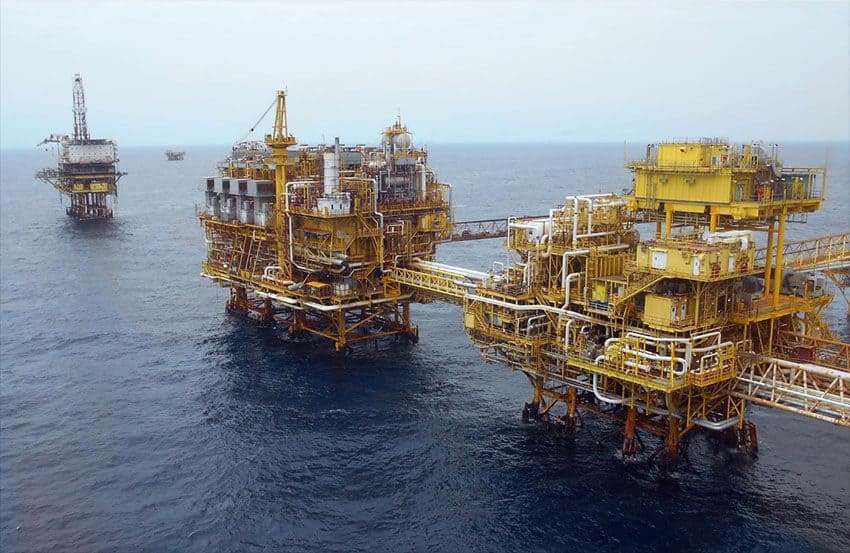
Modern day pirates have carried out another heist in the Gulf of Mexico.
On Tuesday night, a group of 10 armed thieves stole equipment, tools, materials and other items from a Campeche Bay oil platform owned by the state oil company Pemex.
According to a Milenio newspaper report that cited platform workers, hooded thieves dressed in military-style attire arrived at the offshore pumping complex in three vessels at approximately 7 p.m.
They boarded the platform and subdued workers from Pemex and oil services company Grupo Evya. The thieves subsequently forced the workers to load valuables onto their boats. The plunder was completed in approximately three hours.
The crime was reported to the navy’s maritime traffic control center at 10:20 p.m. – about 20 minutes after the heist had ended. There were no reports of injuries.
The robbery came a month after a group of five pirates attacked a vessel in the Gulf of Mexico owned by the company Protexa. The thieves got away with equipment, tools and personal items worth more than 1.5 million pesos (US $73,000).
In January, thieves stole self-contained breathing apparatuses, radios and tools from a Campeche Bay oil rig in a 1.25-million-peso heist.

Pirate attacks on oil platforms and vessels in the Gulf of Mexico are relatively common. Some Pemex oil rig workers have said they’re afraid they could be killed while working and living offshore.
A 2020 study detailed the modus operandi of pirates who operate in the Gulf of Mexico. It said that pirates armed with guns, machetes and knives operate in groups of up to 15 to carry out attacks, usually at night. They use small boats with powerful motors to reach oil and gas platforms before stealing equipment and money from crew members. Pirates often carry radios tuned to navy bands to avoid detection.
The study also found that the response by the Mexican navy is usually slow, with vessels taking up to seven hours to reach the crime scene, giving pirates plenty of time to escape.
With reports from Milenio