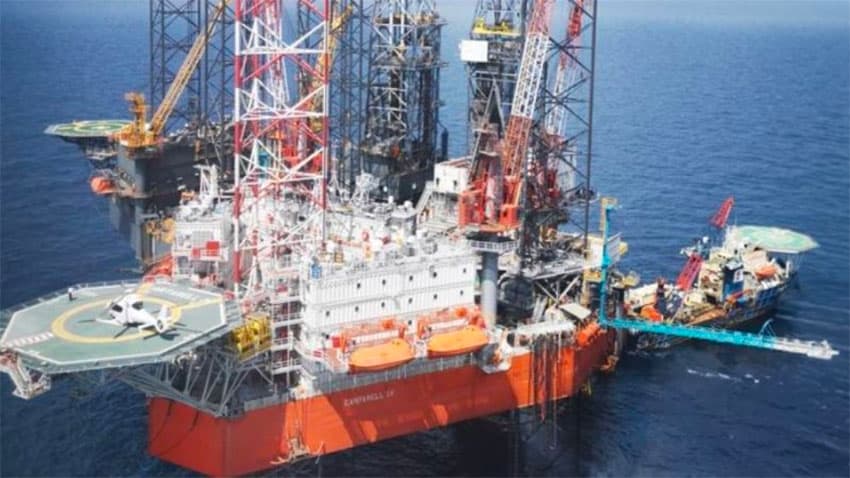
Armed thieves attacked a privately-owned oil platform in the south of the Gulf of Mexico late Monday and made away with equipment and personal belongings of rig workers.
Navy sources told the newspaper Milenio that at least five armed men arrived aboard two speed boats at the Sandunga oil platform, located in the Bay of Campeche and owned by the company Goimar.
They boarded the platform and stole tools, supplies, self-contained breathing apparatuses, camera-equipped diving helmets, diving suits, flippers, boots and workers’ personal belongings.
Rig workers, who reported hearing gunshots, took refuge in a secure area of the platform as the robbery took place, Milenio reported. They notified the navy of the heist and two vessels were deployed to search for the thieves.
The search continued into the early hours of Tuesday morning but the thieves and their boats were not located.
Attacks on oil platforms by modern-day pirates are common in the Gulf of Mexico. Rigs owned and operated by state oil company Pemex have been targeted on numerous occasions.
“We fear for our lives,” Martín Gómez, who has worked on state oil company rigs for almost three decades, said last year.

A 2020 study found that the response by the navy to oil rig attacks is usually slow, with vessels taking up to seven hours to reach the crime scene, giving pirates plenty of time to escape.
That was the case on Monday night, according to the head of a consulting firm that specializes in merchant marine matters.
“We ask the maritime authority [the navy] … to carry out permanent patrols and stay in the [Bay of Campeche] area so that the response time is not four hours,” said Faustino Suárez Rodríguez.
With reports from Milenio