Residents in the state of San Luis Potosí were taken aback after videos of unusual wildlife sightings in various parts of the state circulated on social media.
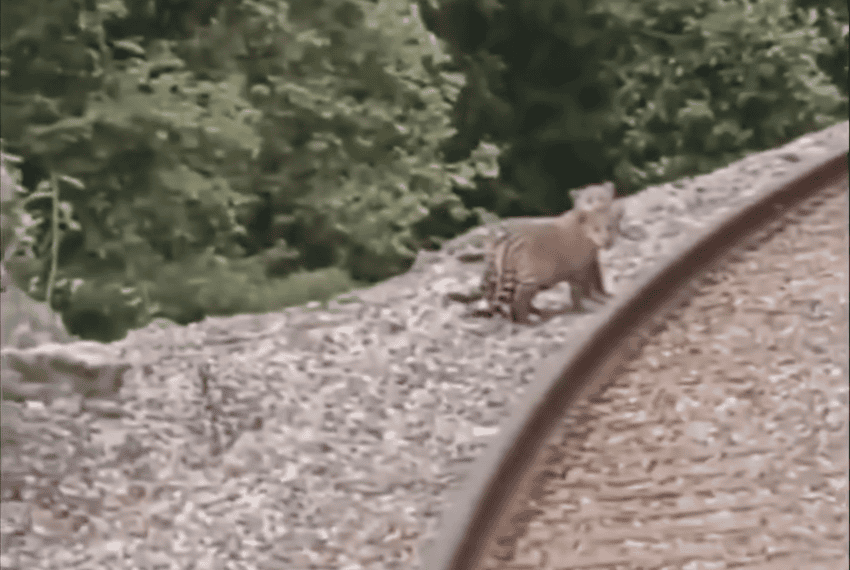
Last week, two jaguar cubs were spotted in the Huasteca Potosina region of the state, a rugged area known for its lush mountain environment, deep canyons and tropical rainforests.
#SLP | Captan a un pequeño oso negro en la Zona Media. Conductor de Ferrocarril lo notó frente al tren y aprovechó para grabar este video#Noticias #NoticiasSLP pic.twitter.com/hA43HqXX1P
— Código San Luis (@codigosanluisi) January 21, 2026
Footage of the young jaguars was recorded by railway workers conducting routine inspections on the tracks that cross this area in the eastern part of the state.
The video shows the jaguar cubs moving together, briefly pausing to watch the train approach before returning to their natural habitat, showing no signs of disturbance or aggression.
The images quickly went viral as the jaguar is one of Mexico’s most emblematic and protected species and its presence in areas close to human activity is unusual.

A few days earlier, railway workers riding through the central part of the state managed to film a black bear running along the train tracks, a sighting which amazed local residents since there are no recent records of bears inhabiting this area of San Luis Potosí.
The bear trotted for several hundred meters ahead of the train before disappearing into the vegetation.
Authorities explained that these encounters are infrequent, but could increase due to the mobility of species in search of food and safe habitat. They recommended keeping a safe distance and reporting any sightings to the appropriate authorities so as to ensure the conservation of these species in their natural environment.
Environmental laws in Mexico place both the jaguar and the black bear under special protection regulations.
Documenting these encounters is relevant, however, because they confirm the presence of key endangered species in the region. The jaguar is considered a priority species for Mexican biodiversity due to its role as an apex predator within its ecosystems.
Railway rights-of-way function as biological corridors, experts say, allowing wildlife to move between areas fragmented by human activities. These spaces are crucial for the survival of species whose populations have declined due to habitat loss.
With reports from N+, Uno TV, El mañana de San Luis Potosí and TV Azteca