The four people chosen by the federal government to fill positions on the governing body of the Energy Regulatory Commission (CRE) will result in a loss of autonomy for the regulator, experts warn.
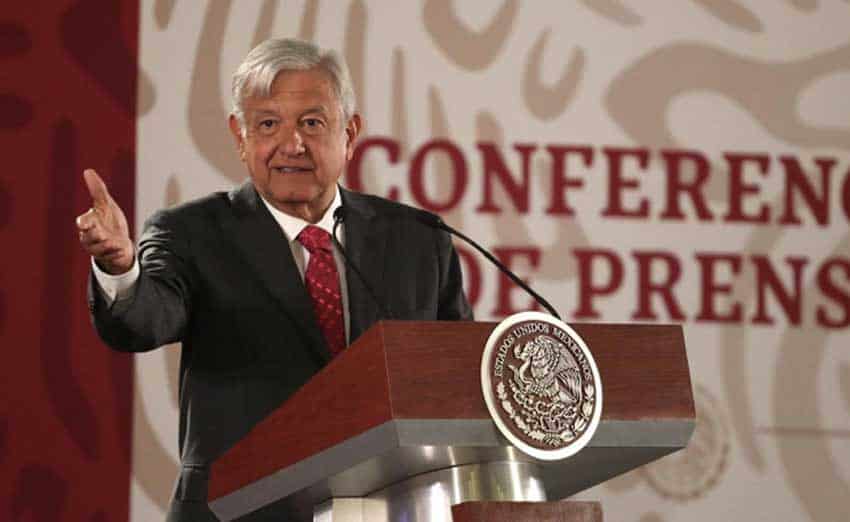
President López Obrador announced yesterday that he had appointed Luis Linares Zapata, Norma Leticia Campos, José Alberto Celestinos and Guadalupe Escalante to CRE commissioner roles.
Gonzalo Monroy, managing director of theconsultancy firm Monroy Energy, said the appointments were political and showed that the CRE was losing its independence and instead becoming “captured” by government interests.
Luis Miguel Labardini-Deveaux, a partner at energy sector consultancy Marcos y Asociados, said that the CRE appointees were selected because of their proximity to the federal government and “loyalty” to López Obrador.
Both men agreed that the appointments are designed to ensure that the CRE doesn’t oppose the decisions the government takes in relation to the state oil company and the Federal Electricity Commission (CFE).
Labardini-Deveaux said López Obrador’s intent is to return to a time when Pemex and the CFE were not just energy companies but also their own regulators.
“The president wants a mixed economy but one in which Pemex and the CFE are preeminent and for that he needs a CRE to his liking, a less autonomous one,” he said.

Monroy contended that a less independent CRE is bad news for private and foreign companies that have entered Mexico’s energy market in recent years.
“For good or bad, the CRE was the guarantor of a level playing field, especially when you have such dominant companies – although no longer monopolistic – such as Pemex in the petroleum market and CFE in natural gas and electricity. You need an independent regulatory body so that private foreign or national companies [have the confidence] to invest,” he said.
George Baker, a Houston-based energy consultant and editor of the newsletter Mexico Energy Intelligence, said “the lack of a level playing field could put a brake on new investment in the [energy] sector.”
Earlier this year, López Obrador accused the CRE and the National Hydrocarbons Commission of being complicit with the corrupt management by past governments of state-owned companies.
“They maintained relationships with private companies that benefited from contracts both with the CFE and Pemex,” he said.
Source: El Universal (sp)