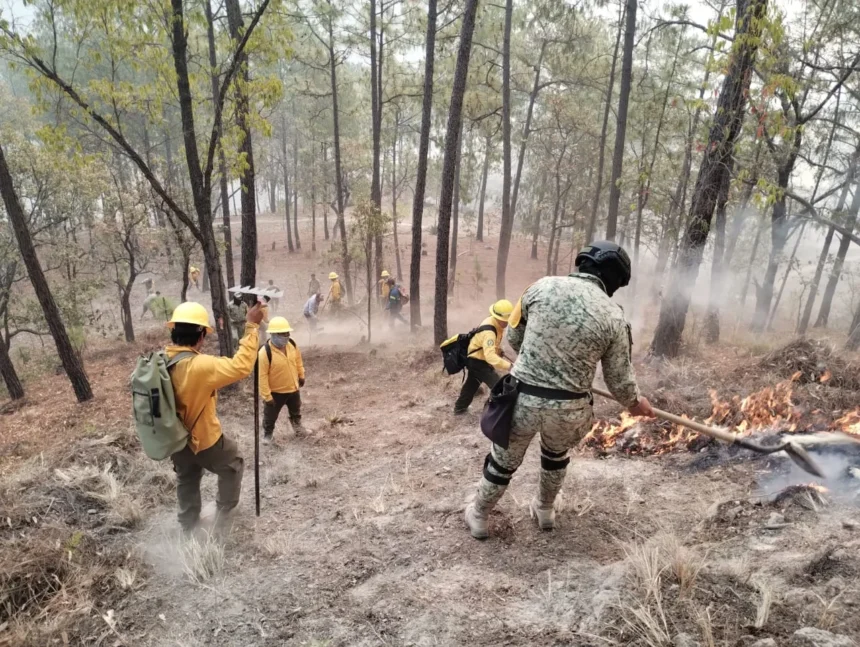
The Sinaloa government is stepping up efforts to control the forest fires that have ravaged rural areas of the state this month, an endeavor complicated by drought and the state’s ongoing security crisis.
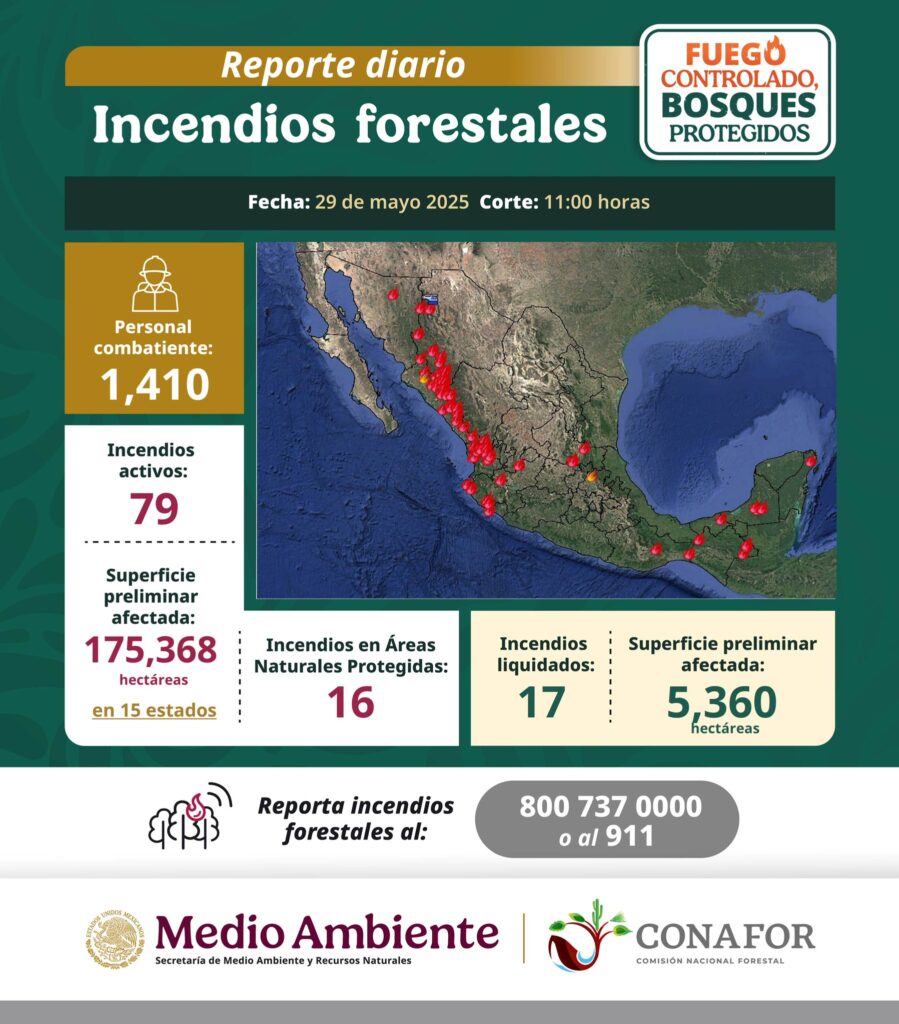
Sinaloa is experiencing one of its worst wildfire seasons in recent history. According to the National Forestry Commission’s (Conafor) National Weekly Forest Fire Report, as of May 22, Sinaloa has seen the second-largest area of forest and vegetation burned by wildfires.
…✍️😳🔥🔥🔥🔥😱😯😨😰 URGENTE!
FUERTE INCENDIO 🧯 🔥 EN BADIRAGUATO SINALOA,POBLADORES PIDEN 🆘 AYUDA.
“La lumbre va muy fuerte”; 🔥🔴 Pobladores piden ayuda para sofocar incendio en Potrero de los Medina en #Badiraguato. pic.twitter.com/0V5fChmkzq
— Anónimo!👊 (@Anonymous05600) May 23, 2025

To date, the state has been affected by 11 fires, mainly in the municipalities of Badiraguato, Concordia, San Ignacio, Cosalá and Culiacán.
State and federal authorities, along with volunteer brigades, are working in the most affected areas, especially in Concordia and Badiraguato, where officials report significant progress in controlling the fires with no risk to nearby communities.
State authorities on Thursday announced the deployment of 60 Civil Protection members to firefighting efforts around the state.
“We’re developing strategies, not only as a state government, but also at the state and municipal levels in collaboration with the firefighters themselves. In other words, we’re doing very intensive work, and we’ll continue until these fires are extinguished in these two areas: Concordia and Badiraguato,” said Aurelio Roy Navarrete Cuevas, director of the State Institute of Civil Protection.
So far this year, 55 fires have burned 66,636 hectares in Sinaloa, surpassing states like Jalisco and Durango. Those states had a much higher number of fires – 749 and 273, respectively. With 66,000 hectares affected, Sinaloa has set a new record for the largest area burned since records began in 1970. In 2023, 38,446 hectares were affected; the figure increased to 42,364 hectares in 2024.
The Mexican state most affected by fires this year is Chihuahua, with 409 fires impacting 75,915 hectares of forested land.
Despite the scale of the fires, Sinaloa is among the statest allocating the fewest resources to firefighting. Only 1,129 person-days have been deployed in firefighting efforts, a figure that is significantly lower than other states. For instance, Chihuahua devoted 23,448 person-days while Jalisco devoted 23,253, even though both states had fewer affected hectares than Sinaloa.
The average number of hectares burned per fire in Sinaloa is 1,212, one of the highest figures in the country, surpassed only by Baja California, where the average is 1,458 hectares per fire.
Some reports indicate that some fires have been started deliberately, including with bombs dropped from drones as part of the armed conflict between organized crime groups in the mountainous areas. In the community of Loberas, Concordia, forestry brigades stopped fighting a fire due to bombs and explosives on the ground, which Mexican cartels use in their ongoing conflicts.
The fire crisis in Sinaloa is worsened by one of the most severe droughts of the past 30 years, which has fueled the spread of the flames. Navarrete said that surveillance is ongoing at high-risk areas to prevent potential fires from rekindling, with winds reaching 60 kilometers per hour and temperatures exceeding 40 degrees Celsius.
With reports from Crónica, Revista Espejo, El Sol de Mazatlán, Infobae and Proceso