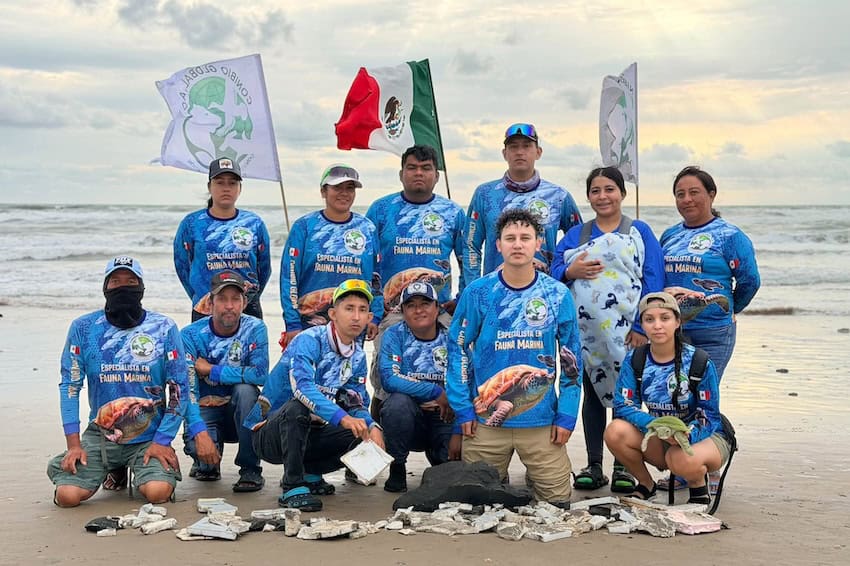
High tides are slowing efforts to remove suspected SpaceX debris found on Playa Bagdad — a stretch of Mexican coastline in the northeastern border state of Tamaulipas — where environmentalists reported collecting more than 200 fragments in the first 400 meters of a cleanup.
The conservation nonprofit Conibio Global said on Facebook it had delivered another bag of suspected space debris to Mexico’s federal environmental protection agency (Profepa).
🚀 #EsNoticia | ¿Qué está llegando del espacio a las costas de #Tamaulipas?
En Playa Bagdad, reportan nuevos fragmentos que presuntamente provienen de cohetes de #SpaceX.
La ONG Conibio Global pide investigar su origen y posibles daños ambientales. Mira esto.
#OnceNoticias 🔻 https://t.co/TTke3t14Se
— Once Noticias (@OnceNoticiasTV) October 10, 2026

The organization suspects the fragments came from SpaceX’s 14th Starship flight, launched Sept. 28 from Boca Chica, Texas — just across the border from Bagdad Beach, which takes its name from a historic port destroyed by hurricanes in the late 1800s.
However, the origin of individual pieces has not been confirmed.
Concerns about the debris harming marine life echo earlier discoveries.
In June 2025, President Claudia Sheinbaum said Mexico’s Environment Ministry (Semarnat) and other ministries would investigate debris reported on Bagdad Beach. At the time, hundreds of metal and plastic fragments had washed ashore following a Starship test flight launch.
In response at the time, SpaceX said tests of Starship materials found no chemical, biological or toxicological risks, and that it had offered Mexico resources and assistance to help recover debris.
As for the most recent cleanup, the newspaper Milenio reported that Conibio Global aimed to survey 50 kilometers of coastline, about 31 miles.
The group said tides had blocked access to some areas and that collection would resume when conditions dictate.
Inspections so far have identified insulation and coating materials. Environmentalists said waves, rain and currents could carry more fragments ashore.
Conibio Global warned that turtles, dolphins, birds and other marine animals could ingest debris or become entangled.
It called on authorities to identify the fragments, investigate potential environmental harm and require those responsible to repair any confirmed damage.
It also sought investigations into reported structural damage to homes and schools and declining fishing catches. However, reports do not establish causal links to SpaceX launches.
Playa Bagdad lies on Mexico’s Gulf coast, south of the Rio Bravo’s mouth. Known as the Río Grande in the United States, the river originates in Colorado and forms the entire 2,018-kilometer border between Texas and Mexico.
With reports from Uno TV, Once Noticias, Milenio and La Razón de Tamaulipas