Starlink, the satellite internet company owned by the world’s richest person, Elon Musk, has slashed its monthly service fee by over 50%.
As of Wednesday, Starlink’s customers in Mexico pay 1,100 pesos per month (US $55), a 52% decrease compared to the former fee of 2,299 pesos. Starlink has also reduced the price of its hardware kit, which includes an antenna, to 8,300 pesos (US $414) from 9,896 pesos, a 16% drop.
The hardware kit is now shipped free of charge whereas the previous cost was 1,420 pesos (about US $70). In addition to Mexico, the company lowered its prices in many other countries where it offers satellite internet service.
“The price reduction factors in your local market conditions and is meant to reflect parity in purchasing power across our customers,” Starlink said in an email to customers.
Federal telecommunications authorities granted Musk’s company permission to operate in Mexico for 10 years in June 2021.
On its website, Starlink says it offers “high-speed, low-latency broadband internet in remote and rural locations across the globe.”
Its service is “made possible via the world’s largest constellation of highly advanced satellites operating in a low orbit around the earth.”

Among the satellite internet services that compete with Starlink in Mexico are Viasat and HughesNet. An analysis conducted late last year – before Starlink was offering its service here – found that Viasat provided Mexico’s fastest satellite internet service for downloads, but speeds were well below the fixed broadband median.
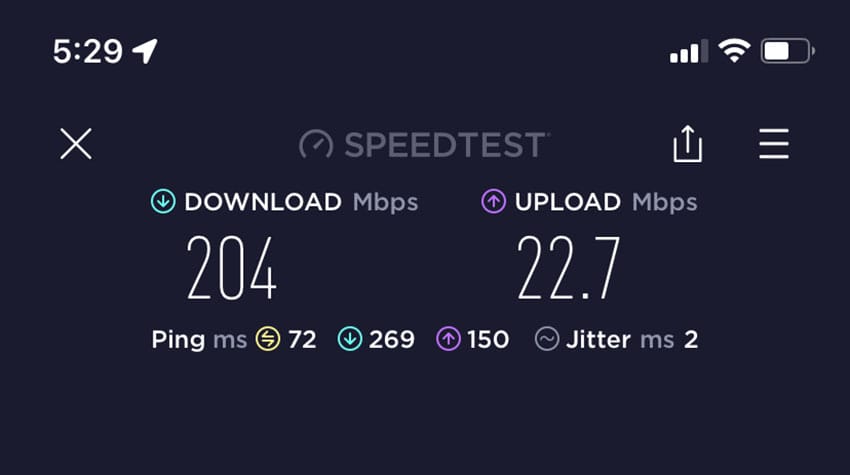
Some Starlink customers in Mexico have reported speeds of 200 Mbps or more with latency between 70 and 100 milliseconds. The latter is far lower than that of other satellite internet service providers.