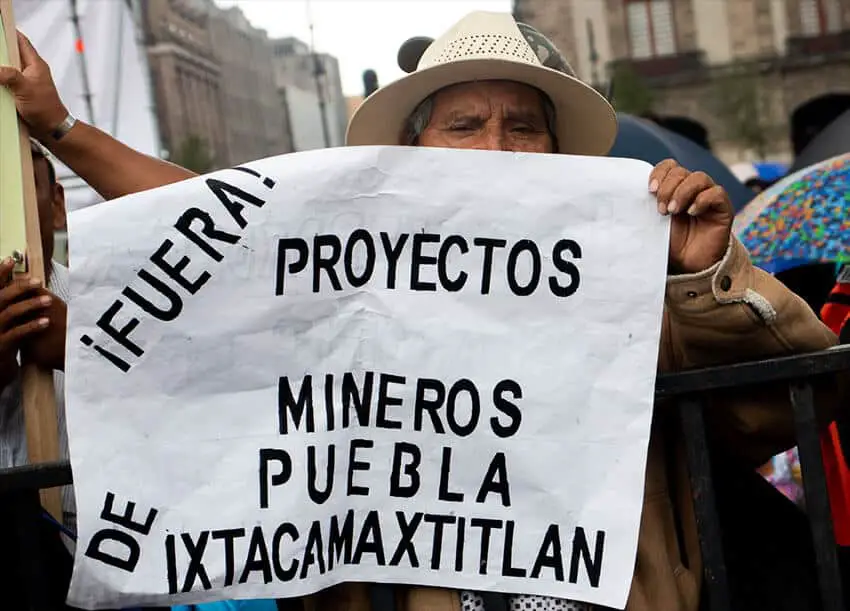
The Supreme Court (SCJN) has postponed discussion of a challenge against the federal mining law filed by indigenous residents in Puebla who have long opposed the granting of two mining concessions to the Mexican subsidiary of a Canadian company.
A group of Nahua residents of Tecoltemi, located in the Sierra Norte municipality of Ixtacamaxtitlán, filed a challenge in 2015 against two concessions granted by the Economy Ministry to Minera Gorrión, a subsidiary of Almaden Minerals.
The residents, who have been fighting against mining in their town for 13 years, say they weren’t consulted about the concessions.
They also sought a judicial review of the mining law, arguing that several articles violate the constitution. The law prioritizes mining over all other kinds of land use.
The Fundar Center for Analysis and Research, a non-profit organization that is representing the residents, said in a statement Wednesday that the law can subjugate communities, their land and their lives to mining companies for up to 100 years.
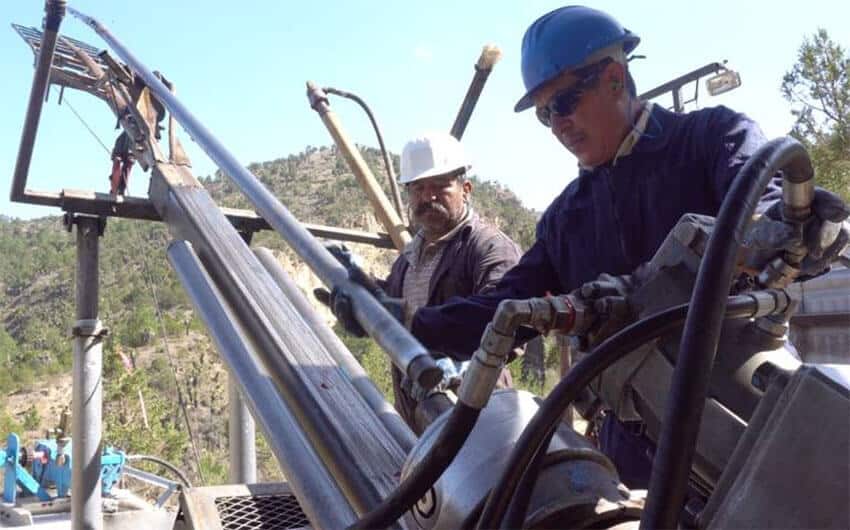
Residents say that local water sources have been contaminated by exploration activity on gold and silver deposits.
The SCJN was scheduled to hear the resident’s case on Wednesday but discussion was postponed indefinitely, the Fundar Center said.

“While we don’t know the reason why the discussion was postponed, we believe that it is of great importance that the justices … take the time needed to deeply analyze this case … given that it’s an important issue not just for … Tecoltemi but also for other communities in Mexico that are currently resisting … the imposition of mining projects” or may do so in the future, it said.
Speaking to the newspaper El Sol de Puebla before the court postponed the case, Alejandro Marreros Lobato said he and other opponents of the mining hoped that the SCJN would declare the concessions illegal and definitively cancel them.
The opponents are also hopeful that the court will declare the mining law to be unconstitutional, he said, adding that it violates international agreements and treaties to which Mexico is party.
“The mining law is the basis for the dispossession of the land that we indigenous people live on. It’s what permits the legalization of violence… we have a great expectation and hope that the SCJN will serve justice,” Marreros said.
But his expectations may not be met for a while. No new date has been set for the court’s consideration of the matter.
The case has divided Tecoltemi because some residents work for Minera Gorrión, which has rejected that its activities are harmful to the water table and emphasized the economic benefits it brings to Ixtacamaxtitlan.
“Employment … dictates who is in favor or against the mine,” Diana Pérez, a lawyer at the Mexican Institute for Community Development said in 2019.
With reports from El Sol de Puebla