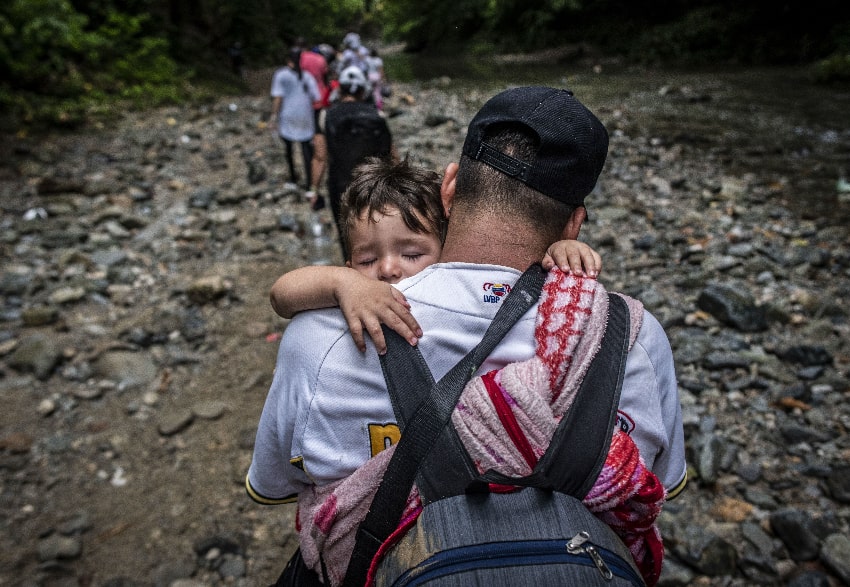
People smugglers known as coyotes or polleros are charging Mexicans close to US $7,000 on average to get them across the northern border into the United States, a 2022 survey found.
Conducted in the second half of last year, the Survey on Migration at the Northern Border of Mexico (EMIF Norte) found that Mexicans are paying an average of $6,937 to smugglers to take them into the United States.
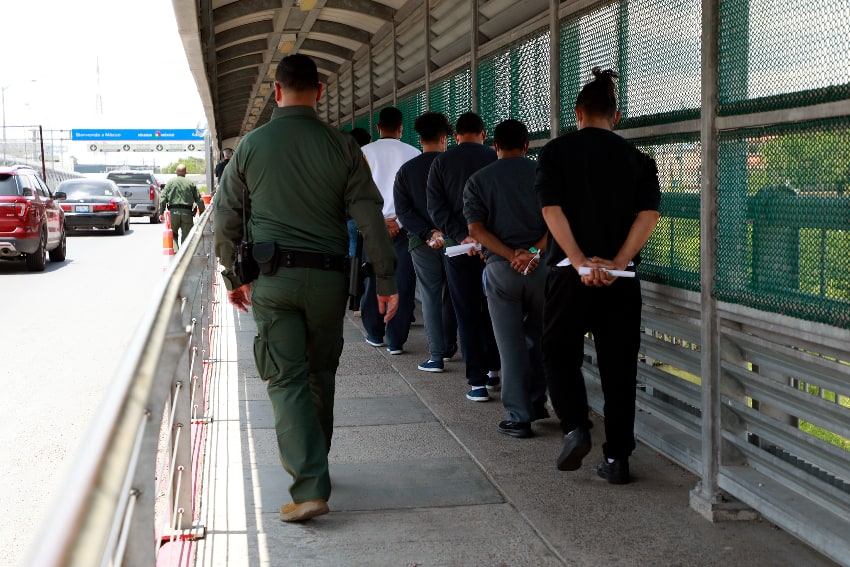
At $7,839, the average price paid by Mexican women is 19% higher than the $6,565 average price paid by Mexican men.
The EMIF Norte – a joint initiative of the Mexican government, the College of the Northern Border and the International Organization for Migration – also found that 45% of surveyed Mexican migrants deported to Mexico from the U.S. used a coyote to cross the northern border.
Of more than 20,000 surveyed migrants heading to the United States, only 8.6% had guaranteed work waiting from them across the border. One-third had relatives in the U.S, while approximately eight in 10 hadn’t migrated previously.
Just over half of the surveyed Mexicans headed to the United States – 53.5% – didn’t have documents that allowed them to legally enter the U.S. or work there. Almost 60% of those surveyed were men while just over 40% were women. Their average age was 30, and only 11.9% had completed studies above high school level.
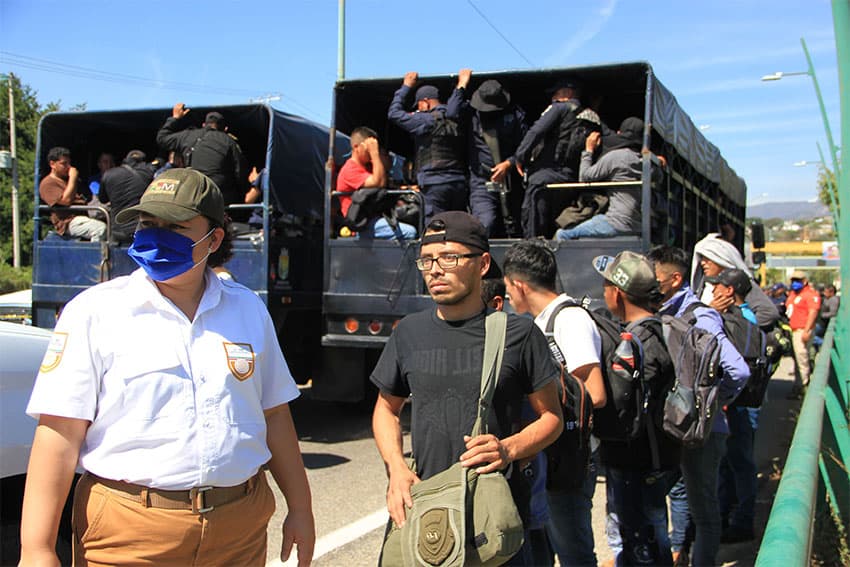
The EMIF Norte’s sister survey, the Survey on Migration at the Southern Border of Mexico (EMIF Sur), found that 15.3% of 13,535 migrants from Guatemala who were deported to that country from Mexico used a coyote to facilitate their entry to and travel through the country. The average cost they paid was $3,894, according to the recently published results of the EMIF Sur, which was also conducted in the second half of last year.

The percentage of Guatemalan migrants who used a people smuggler to avoid detection by authorities as they traveled through Mexico is significantly higher than the 2% figure recorded in the second half of 2019.
Over half of the Guatemalan migrants surveyed reported suffering from extreme heat or cold while traveling in Mexico. About a quarter said they lacked food and/or water, while 2.6% said they were victims of extortion.
The period during which the EMIF Norte and EMIF Sur were conducted – July to November of last year – partially coincided with the United States 2022 fiscal year, during which undocumented immigrant crossings reached a record high of 2.76 million.
Fiscal year 2022 was also the deadliest year for migrants recorded by the United States government, with at least 853 people dying while attempting to enter the U.S. unlawfully from Mexico.
Mexico News Daily