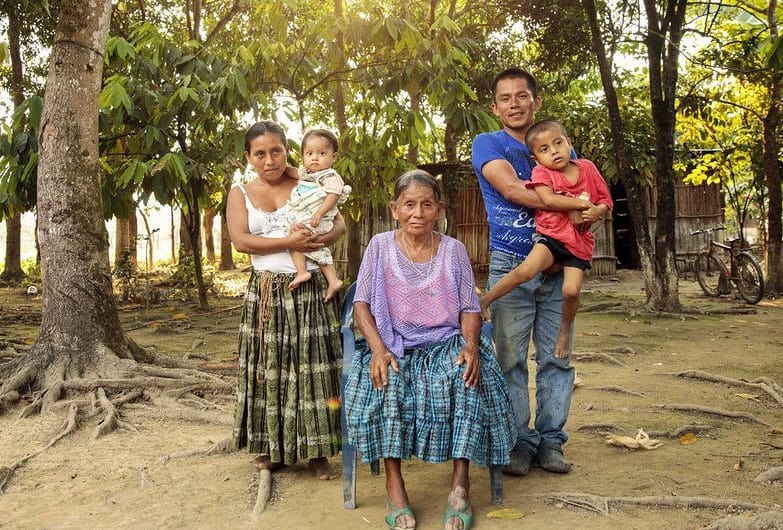
Nine special rapporteurs and a U.N. human rights working group have warned that the Maya Train railroad could threaten the rights of local indigenous communities to land, natural resources and a healthy environment.
In a statement on Wednesday, the experts expressed concern that the planned railroad may be pushed forward without the free, prior and informed consent of indigenous groups in the region, and highlighted that activists opposed to the project have faced threats and attacks.
The experts also denounced the military’s growing involvement in the Maya Train’s construction and stressed that the categorization of the railroad as a national security project could further undermine social and environmental safeguards.
“This decision not only has the potential to allow human rights abuses to remain unaddressed, but also undermines the project’s purpose of bringing inclusive and sustainable social and economic development to the five Mexican states involved,” said Fernanda Hopenhaym, Chair of the UN Working Group on Business and Human Rights.
The Maya Train is a US $10 billion public-private mega-project that was a key campaign pledge of President López Obrador. The planned railroad will form a 1,500-kilometer loop through the Yucatán Peninsula. It aims to promote tourism and development in the region by reducing transport times for passengers and freight.
However, the project has long been controversial. Although it received overwhelming approval in a 2019 public consultation, the vote was criticized for its low turnout and lack of prior information. Since then, numerous indigenous and environmental groups have come out in opposition to the railroad, leading to several legal challenges and temporary injunctions.
AMLO has already been forced to make several concessions to the project’s critics. In the latest alteration, AMLO announced on Monday that the railroad will now include a 72-kilometer stretch of elevated trackway through the jungle — a huge feat of engineering that raises questions as to whether he will be able to fulfill his promise to complete the railroad within a year.

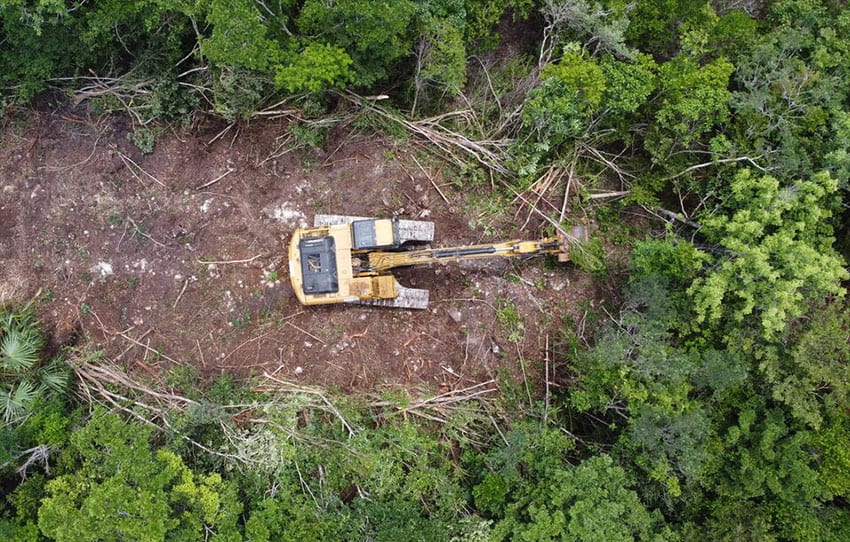
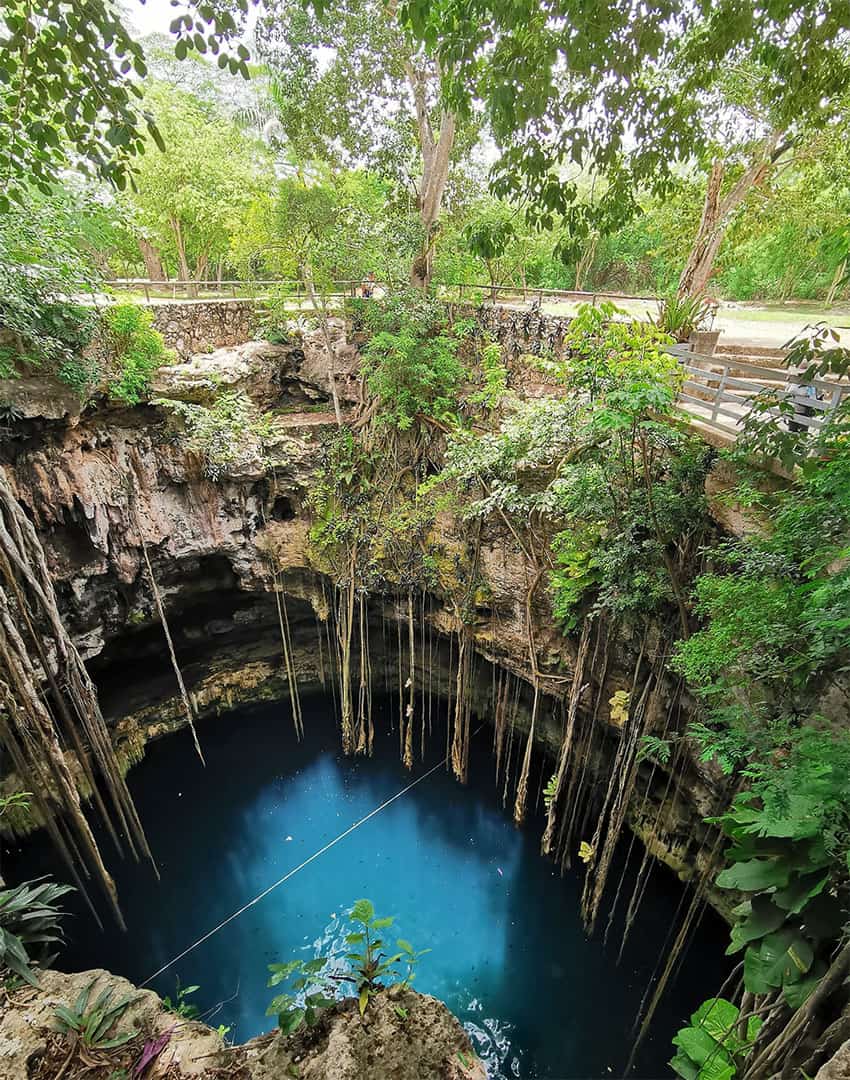
Originally, the Maya Train was projected to run on an elevated line over the coastal highway between Cancun and Tulum. However, this was opposed by nearby hotel owners who feared the impact on their businesses. A revised route involved clearing a 68-mile (110 kilometer) swath of jungle to make way for the tracks. The latest proposal seeks to assuage environmentalists’ fears that laying tracks through the jungle risks crushing or contaminating the area’s network of cenotes, or sinkhole lakes.
In his Monday press conference, AMLO explained that the new plan would involve elevating the railroad 2.5 meters above the ground, supported by thousands of 25-meter pilings sunk into the earth.
“This will have a minimal effect, because they sink the pilots where there isn’t anything,” AMLO said.
However, activists were swift to reject this claim, and to decry the deforestation that has already taken place.
“They do not have the technical ability to sink the columns where there are no caves, because they [the caves] are everywhere,” cave diver José Urbina told the AP.
He warned that construction of the railroad is already contaminating the aquifers that feed the underground lakes, putting the area’s delicate cave system at risk.
The unique geology of the cenotes is just one of the factors that gives the Yucatán Peninsula such huge environmental, cultural and historical significance. The region’s jungles contain a wealth of biodiversity, as well as numerous archaeological sites and indigenous Maya communities.
In their statement, the U.N. experts emphasized that a transparent and participatory consultation process on the railroad’s social and environmental impacts was necessary to ensure the rights of these communities were respected. They demanded the government conduct this process before taking any further decisions on the project, and urged investors to pressure for all due diligence to be carried out.
“Relevant companies and investors domiciled in Spain, the United States and China cannot turn a blind eye to the serious human rights problems related to the Maya Train project,” they said.
With reports from the United Nations and Associated Press