The recently released U.S. National Security Strategy (NSS) has generated headlines for its sharp tone toward long-standing allies in Europe. Yet for North America, and Mexico in particular, its implications may be even more consequential.
The strategy revives a Monroe Doctrine-style vision — what some observers jokingly call the “Donroe Doctrine” and the U.S. president has referred to as the Trump Corollary — emphasizing U.S. preeminence in the Western Hemisphere, control over migration and illicit drug trafficking, expanded border deployments, and the use of military and economic power to secure access to energy and mineral resources.
Overnight, the White House released its new “National Security Stratregy” document (link in thread)
Several interesting comment re: energy, commodites, and climate change. The tone is similar to what we have already heard from Trump: fossil fuels-centered energy dominance.
1/5 pic.twitter.com/vjIrHm6v8N
— Javier Blas (@JavierBlas) December 5, 2025

What stands out is less the rhetoric than the NSS’s priorities themselves. Migration, drugs and cartels, and border security dominate its focus, eclipsing discussions of China, nuclear proliferation or global alliances.
Militarizing problems that are primarily social and economic could have real consequences for bilateral relations. And yet, Mexico — the United States’ most important economic partner — is barely mentioned along these lines. Energy cooperation, trade integration under the USMCA free trade deal and cross-border supply chains receive virtually no attention.
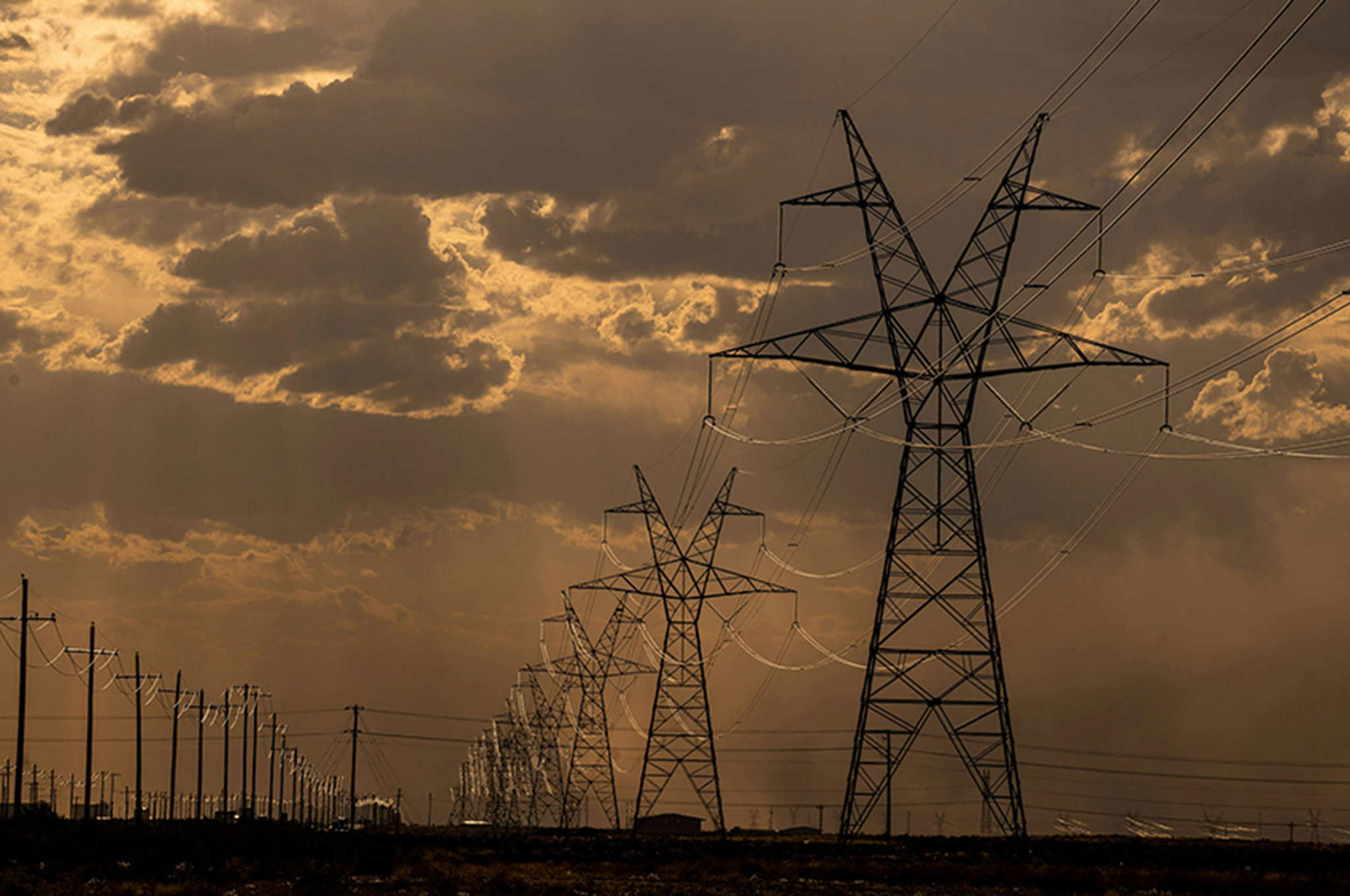
This omission matters because energy is central to current U.S. strategy and international relations, or perhaps today more accurately, transactions and dealmaking. The so-called “energy dominance” approach of the Trump administration prioritizes energy abundance as a tool of national power and embraces this relatively newfound superpower status to use exports as a foreign policy lever and driver, whether boosting energy security or delivering increased energy access.
In practice, the “energy dominance” approach seeks to maximize U.S. production of oil, gas, LNG, nuclear and even geothermal to strengthen economic and geopolitical leverage. Energy is no longer just a domestic or commercial issue — it is an instrument of diplomacy, trade enforcement and economic bargaining. Make no mistake: It is not just about lowering prices at the pump for American motorists but rather about access to crucial resources and deals favorable to the U.S. across the globe.
This dynamic brings us to U.S.-Mexico relations.
The bilateral relationship is entering a new structural phase. Trade, migration, security and supply chains are all back on the negotiating table. After years of political “pauses,” energy is now central to USMCA 2026 discussions. Congress has underscored the stakes: H.R. 5926, the Mexican Energy Trade Enforcement Act, would empower the U.S. to enforce USMCA energy provisions, including launching dispute panels and investigations, if Mexico fails to comply. This is not symbolic politics — of H.R. 5926’s seven co-sponsors, five are representatives from Texas, the epicenter of cross-border energy trade — and source of a significant amount of Mexico’s natural gas supply. More on that shortly.
Energy companies echo this urgency. Industry groups, from the American Petroleum Institute to the U.S. Chamber of Commerce, have been pressing for credible enforcement, level playing fields versus Mexico’s state-owned enterprises, regulatory stability, predictable permitting and a continental energy security strategy. Their message is clear: Uncertainty undermines investment, innovation, trade and integration.
Mexico’s own energy landscape adds a further wrinkle for Mexican authorities. Roughly 70% of the country’s natural gas is imported from the U.S., and gas generates over 60% of Mexico’s electricity. Given the lack of viable alternatives, planned new generation continues to rely heavily on gas. Imports of natural gas from the U.S. have averaged 6.8 bcfd in 2025 through September, nearly twice as much as a decade ago. Failure to invest in infrastructure to reduce flaring and effectively promote new frontier natural gas production, including the country’s prolific fracking potential, has left Mexico unable to meet rising demand.
At the same time, Mexico’s 2024 constitutional reforms consolidate state dominance over energy, limit regulatory independence and restrict private capital participation. These reforms directly collide with USMCA provisions on market access, investment and state-owned enterprises. The result is a fundamental tension between Mexico’s domestic vision and USMCA’s trade rules.
But beyond what appear to be clear issues on compliance, there should be real trepidation for Mexican negotiators around their energy needs. Without intending to be overly dramatic, these aspects should be recognized as the pressure points they present for the Trump team sitting down at the USMCA table.
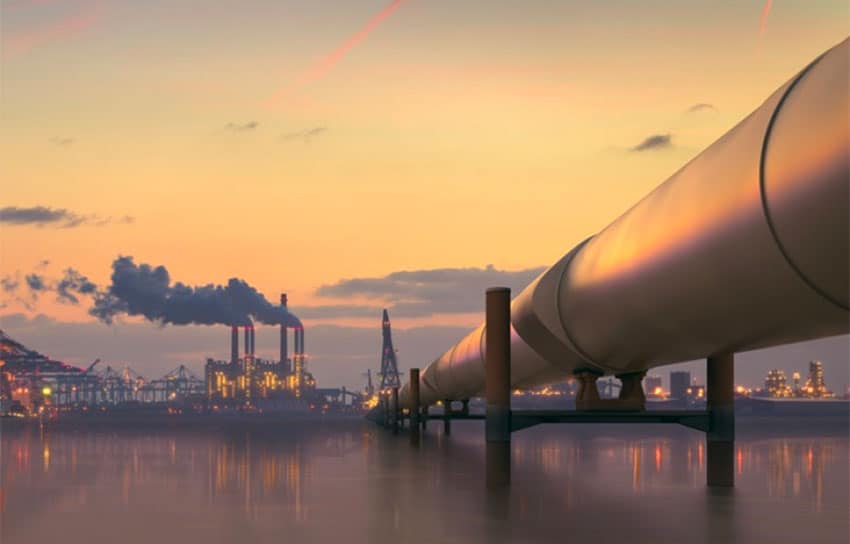
The stakes could not be higher. Energy security is continental. Investment is global. Affordability and reliability are paramount. And the current Trump administration has demonstrated a real desire to not just rethink longstanding paradigms but completely shatter them.
USMCA 2026 is not merely a procedural review — it is a potential reset with profound consequences. The U.S. wants enforcement but also preferred if not outright access; Mexico wants to protect sovereignty; Canada seeks predictability; energy companies want stability. But how and to what extent the Trump administration plays the “energy card” should not be underestimated and demands attention heading into the new year.
If the three countries embrace vision over friction, North America could anchor a competitive, secure and dominant energy future given the resources it collectively possesses. If not, cross-border activity may be marked by even greater uncertainty and strained investment.
The U.S.-Mexico energy relationship is indispensable — but at a delicate crossroads. How policymakers navigate the next chapter will shape not only North America’s energy security but the continent’s economic and competitiveness for years.
Jeremy M. Martin is Vice President for Energy and Sustainability at the Institute of the Americas, an inter-American public policy think-tank located at the University of California, San Diego.
John D. Padilla is Managing Director of IPD Latin America, LLC, a Colombia-based consultancy with decades of experience in Mexico.