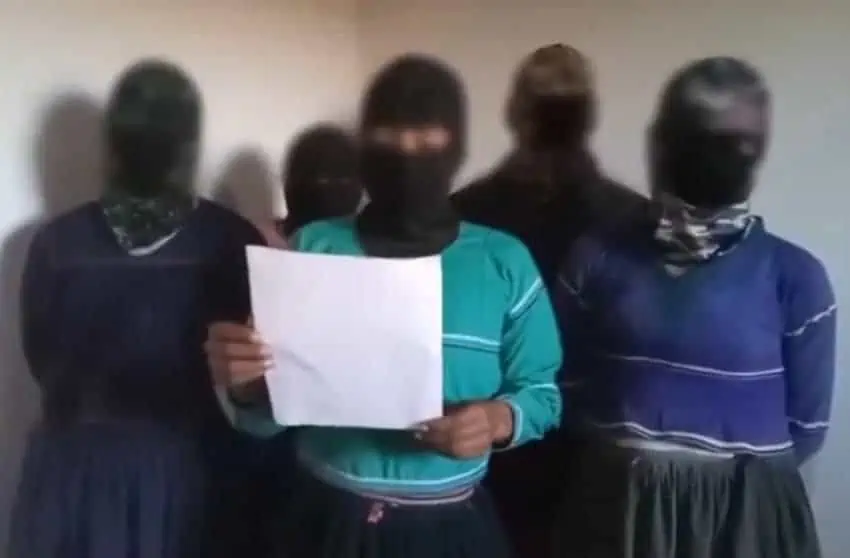
A group of Indigenous women in northern Jalisco have asked the head of the Jalisco New Generation Cartel (CJNG) to rid their region of a CJNG subordinate nicknamed “El Rojo.”
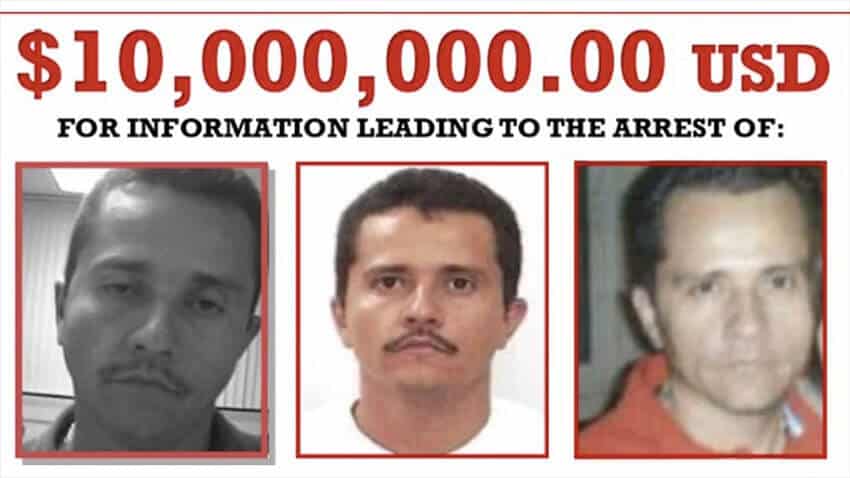
The plea to Nemesio “El Mencho” Oseguera Cervantes — one of the Drug Enforcement Administration’s 10 most wanted criminals before being removed from the list in August — came in the form of a video that has been circulating on social media since Tuesday.
It shows five Wixárika (also known as Huichol) women, with their faces covered, accusing local boss “El Rojo” of committing serious crimes against their communities.
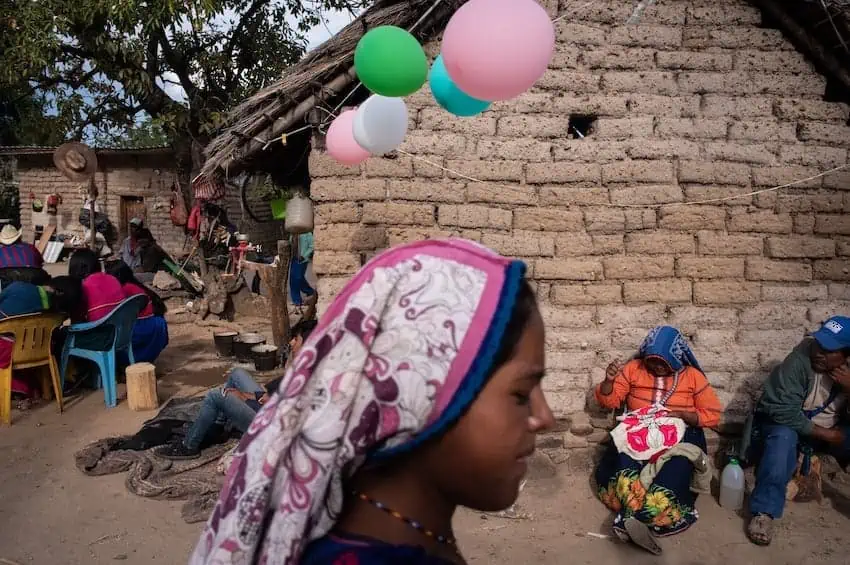
The Wixárika largely live in the mountainous areas of Jalisco, Durango, Nayarit, Zacatecas and San Luis Potosí, and like many Indigenous communities, are often at risk of exploitation by criminal organizations.
“Good afternoon, Señor Mencho, supreme commander of the CJNG. This letter is for you,” begins one of the women in a slow, dignified voice.
The letter goes on to complain about the extortion, murders and disappearances that have occurred during the five-year reign of the CJNG leader “in charge of the area.”
They said the remote Norte Region controlled by “El Rojo” includes 10 Jalisco municipalities near the Zacatecas border, about 225 kilometers from Guadalajara. The largest town is Mezquitic with a population of about 22,000; but most have 5,000 or fewer inhabitants.

“Never in the history of our northern Jalisco municipalities have we felt so insecure, so helpless, so unprotected, until this hijo de puta (son of a bitch) who is in charge of our area arrived,” the letter-reader continued.
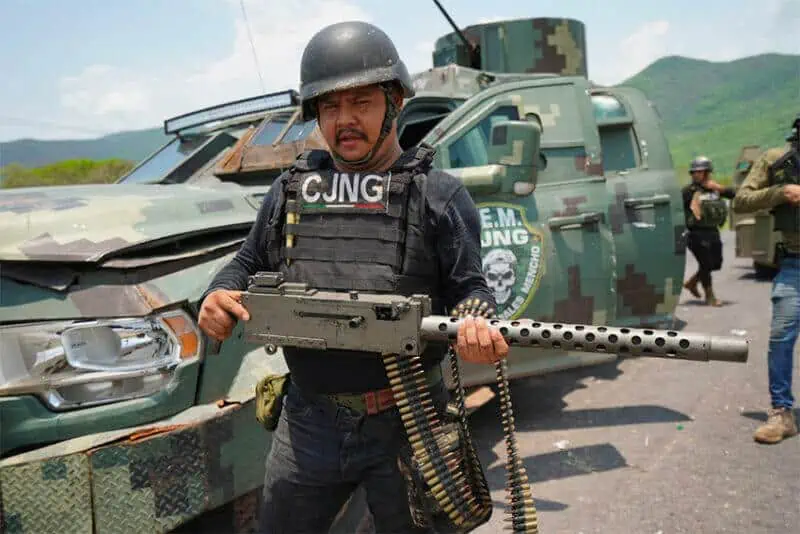
The women charge him with setting up checkpoints “to rob people,” with the blessing of local police, and also with extorting ranchers, merchants and even mayors – “the complete opposite of the principles of the CJNG,” the women assert.
One of the women told a reporter from Proceso that they are also tired of the sexual abuse that they suffer from cartel members.
The women ask “El Mencho” to investigate on his own to verify they are not lying.
They even go so far as to ask that “El Rojo” be neutralized as a New Year’s gift to local residents. “Cut off his head, kill that bandit,” they say. “Many people think the same, but they don’t say it out of fear.”
The women also requested that the CJNG should “respect our culture, our uses and customs … We want to continue maintaining our way of life and system of government.”
Despite fears that the video may lead to retaliatory violence, when asked about it, Mayor José Alfredo Solís of Villa Guerrero and Mayor Luz Elena Cárdenas of Totatiche assured that “everything is calm” in their respective areas.
The newspaper El País noted that “requests of this style are beginning to become common in Mexico.”
This week, for example, Tamaulipas Public Security Minister Sergio Chávez asked for “a little conscience from people who engage in criminal activities” during the upcoming elections.
Last week, Ceci Flores, a founder of Searching Mothers of Sonora, placed a blanket on the Angel of Independence in Mexico City as a way of asking cartel members not to threaten women who search for their missing children.