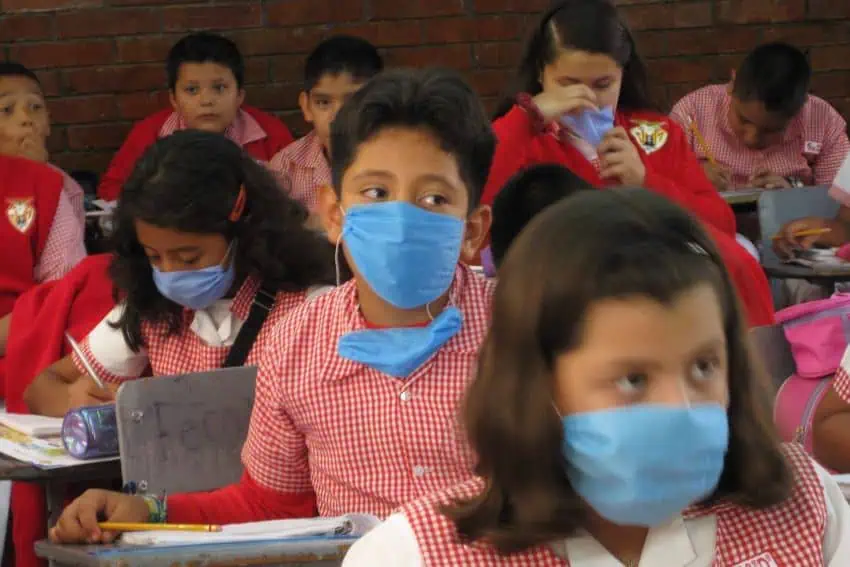
Mexico’s National Committee for Epidemiological Surveillance (Conave) issued an emergency alert for whooping cough, or pertussis, over the weekend.
Through the first week of April, health authorities across the nation had reported 2,549 probable cases of whooping cough, of which 696 had been confirmed. So far, 37 people have died from pertussis in 14 states.
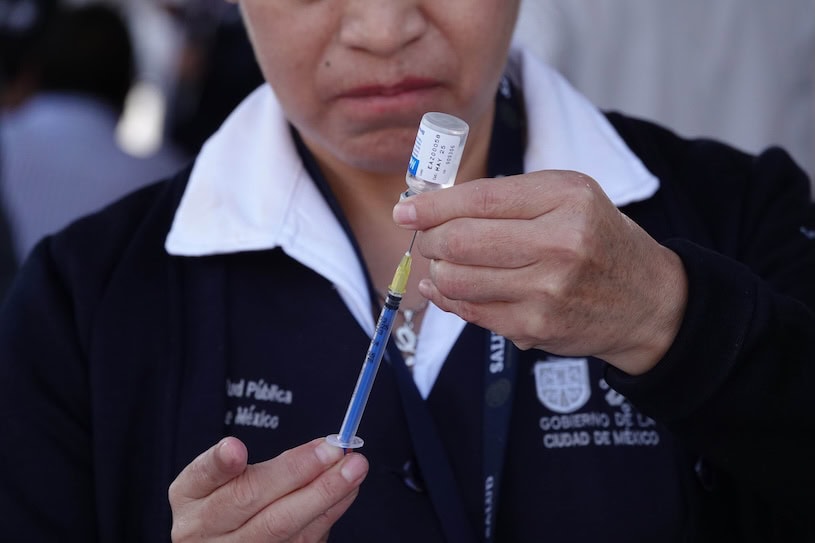
The April 12 alert advised hospitals and clinics to report all positive and probable cases, and to conduct clinical studies and follow-ups in all probable cases.
The notice comes six weeks after the Health Ministry (SSA) issued a similar alert following the confirmation of 133 cases in 20 of Mexico’s 31 states and in Mexico City. At the time, the number of confirmed cases had nearly matched the total number of cases recorded in 2024, with health authorities blaming a shortage of vaccines.
If pertussis is actively circulating in a community, there is a possibility that even a fully vaccinated person could catch the disease.
According to Johns Hopkins Medicine, whooping cough is very contagious and mainly affects infants and young children. The illness — caused by a bacterium called Bordetella pertussis — is characterized by violent coughing spells that end with a characteristic “whoop” as air is inhaled.
The disease — which can last up to 10 weeks and lead to pneumonia and other complications — starts like the common cold, with a runny nose or congestion, sneezing, and sometimes a mild cough or fever. Usually, after a week or two, severe coughing begins.

Symptoms also include sneezing, nasal discharge, fever and sore, watery eyes.
Babies too young to be vaccinated are at risk of catching pertussis. Instead of coughing, infants may have a pause in their breathing, called apnea, which is very serious. The illness can sometimes be fatal in young infants.
According to the SSA, the illness has been confirmed in the majority of Mexican states. The entities with the highest number of confirmed cases through the first week of April are:
- Chihuahua: 77 cases
- Mexico City: 74 cases
- Aguascalientes: 69 cases
- Nuevo León: 62 cases
- Coahuila: 46 cases
- Jalisco: 39 cases
- México state: 33 cases
Across the Americas, pertussis is on the rise after years of decline, according to the newspaper El Debate. The highest number of cases reported in the Americas came in 2012, with 72,000 cases of whooping cough confirmed across the two continents.
Cases fell over the next 10 years, reaching a low of 3,238 confirmed cases in 2022, only to see the trend reversed in 2023.
In July 2024, the Pan American Health Organization issued an epidemiological alert for Latin America, citing a decline in vaccination coverage during the COVID-19 pandemic and an increase in whooping cough cases globally.
With reports from El Universal, El Debate and El País México