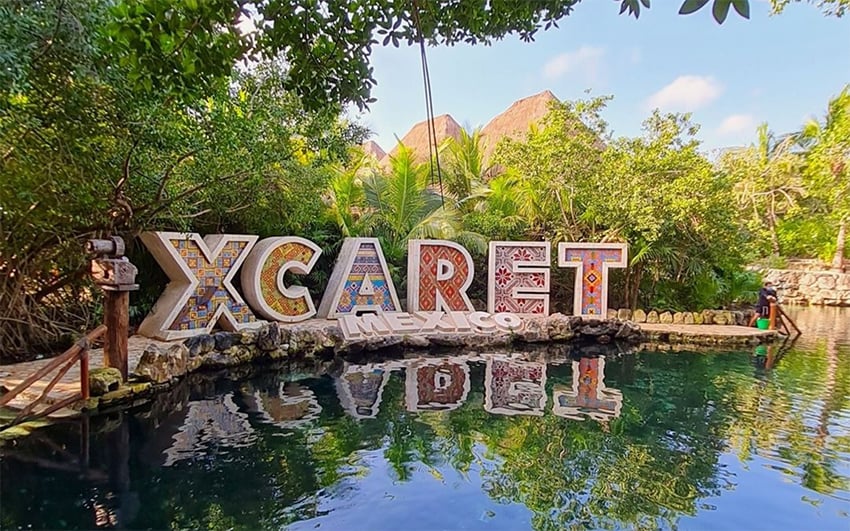
Mexican theme park and resort Xcaret, located in the Riviera Maya near Playa del Carmen, must remove all references to Maya culture from its marketing and advertising campaigns, following a ruling by the Supreme Court (SCJN) in favor of Indigenous communities that had sued Grupo Xcaret.
The court’s decision will stay in effect only until it issues its final resolution, which could take months or even years. Still, it reveals a strong indication of how the SCJN may ultimately decide.
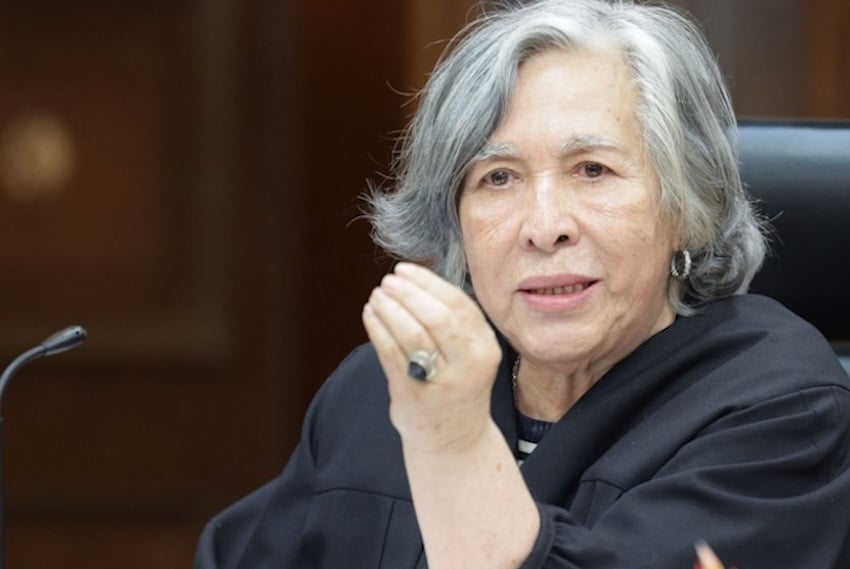
“All cultural heritage of Indigenous and Afro-Mexican peoples and communities will be understood to be reserved by the corresponding people or community and its use and exploitation will be prohibited unless they grant their free, prior and informed consent and in accordance with the law of consultation of Indigenous and Afro-Mexican peoples and communities,” Minister María Estela Ríos González wrote in a statement following the ruling.
The case started in 2022, when members of the Great Maya Council filed a complaint with the Copyright National Institute (Indautor) asking for Grupo Xcaret to refrain from using images and symbols of the Indigenous peoples of the state – a request that poses a major challenge to a company which built its image on cultural references to the Maya.
As part of its procedure, Indautor ordered Xcaret to remove all marketing materials and online content that featured elements of Maya cultural heritage. It also ordered the company to stop any commercial exploitation of these elements while the matter was being resolved.
The newspaper El País reported that Grupo Xcaret complied by removing some advertisements during this period. However, the company brought the case to court, where a judge granted Xcaret permission to display Indigenous imagery again.
The new ruling by the Supreme Court, however, has revoked that permission until the matter is finally solved.

Culture Minister Claudia Curiel de Icaza celebrated the latest decision, saying that it represents “a significant step in the defense of the collective rights of Indigenous peoples, because it reaffirms that their cultural heritage cannot be treated as a resource available for private profit, but is rather a living expression of their identity, their history and their community life.”
Two ministers, however, voted against the resolution. Minister Yasmín Esquivel Mossa defended Xcaret’s interest, arguing that the company had authorization from the Great Maya Council through a five-year contract that included a payment of 15 million pesos (US $829,000) for the use and exploitation of the Maya cultural heritage.
Furthermore, she said the rights of Indigenous peoples and the interests of investors in the tourism sector must be balanced, acknowledging the vital role investment in the hospitality industry plays in the Mexican economy.
With reports from Inversión Turística and El Universal