Puerto Vallarta is experiencing a period of heightened scrutiny as several unfolding events draw attention to the city’s security strategies, treatment of the press and rapid urban development.
Incidents involving federal authorities, marine safety and controversial construction projects have intensified public debate about how the city is being managed and whether institutions are responding adequately to emerging challenges.
PV residents feel less safe, says federal survey
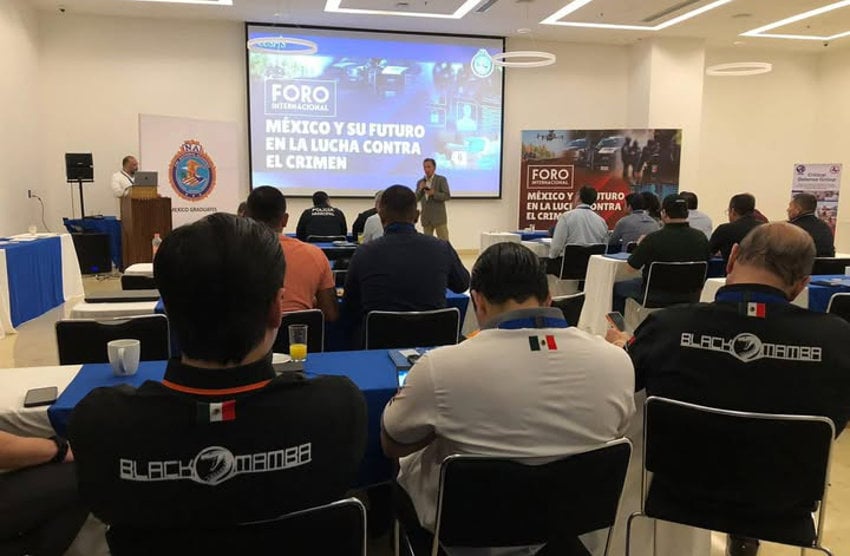
At the November 30 Puerto Vallarta Security Forum, municipal, state and federal authorities convened to discuss the city’s changing security landscape.
Although Puerto Vallarta continues to rank favorably compared to other major tourist cities across the country, officials acknowledged that public confidence has declined. According to the latest National Survey of Urban Public Security (ENSU) conducted by Mexico’s national statistics agency, INEGI, the proportion of residents reporting feeling unsafe in their city has risen, causing Puerto Vallarta’s ranking among the urban areas in Mexico in which residents feel safest to drop from fifth to eighth place nationally.
Discussions at the security forum focused on rising reports of robberies, improved coordination among law enforcement agencies and concerns about criminal activity occurring on the outskirts of the metropolitan area. Tourism authorities urged greater visibility in preventive policing, arguing that even isolated incidents can affect Puerto Vallarta’s international reputation.
The forum closed with commitments to expand patrols, enhance surveillance coordination and strengthen communication with residents, though many citizens continue to ask for more measurable follow-through.
Local reporters say PV National Guard didn’t respect basic press freedoms
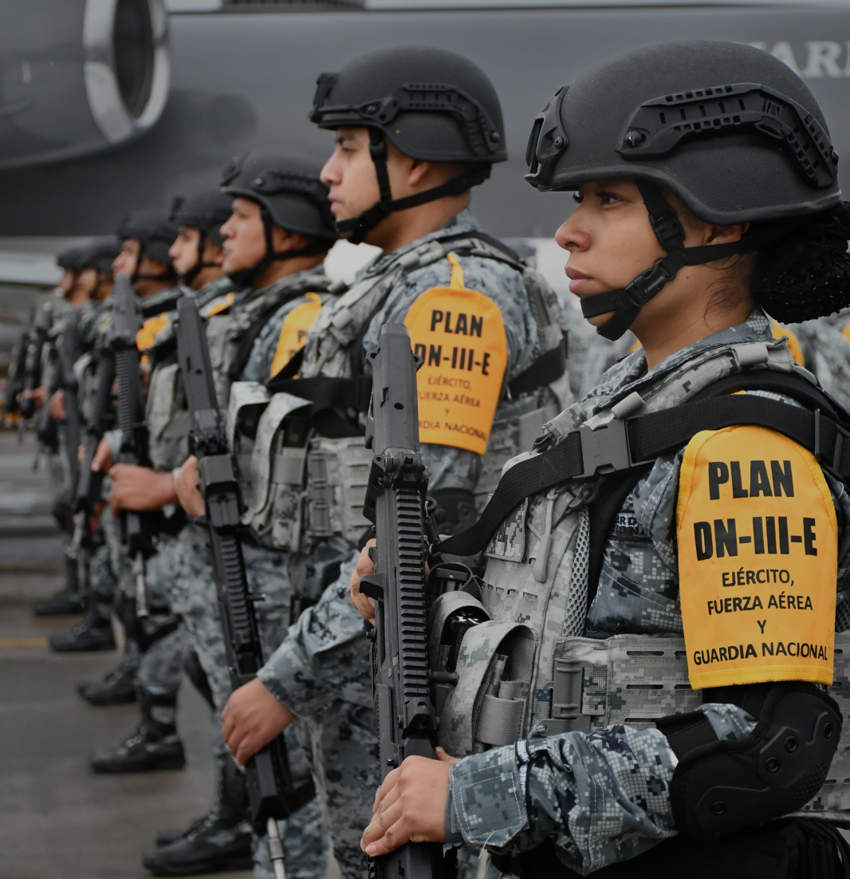
Public safety issues have also collided with fears about deteriorating press freedom. A recent confrontation between reporters and National Guard members in the Fluvial Vallarta area has stirred widespread condemnation.

Journalists covering the rollover of a National Guard vehicle on December 2 said they were pushed back, threatened with equipment confiscation and falsely told they needed a federal license to report at the scene.
In response, the area organization GST Medios issued a strong public statement:
“At GST Medios, through our platforms Notiespacio PV and Vallarta Independiente, we strongly condemn the actions carried out this Tuesday by members of the National Guard in the Fluvial Vallarta area, where journalists were intimidated while covering the overturning of an official vehicle.
“We condemn any attempt to intimidate, obstruct, or condition the work of journalists, who have the responsibility and the right to freely inform the public. Attempting to confiscate cell phones, falsely stating that a ‘license’ is required to practice journalism without considering the media outlet’s accreditations, and trying to limit coverage of a public event constitutes a serious violation of journalistic practice and freedom of information.
“At GST Medios, we reaffirm our commitment to defending press freedom and demand that a safe and respectful environment be guaranteed for those who carry out this work daily in Puerto Vallarta. Free journalism is not intimidated and should not be obstructed by any authority.”
The incident has renewed pressure on local, state and federal officials to adopt clearer protocols protecting the rights of journalists during emergencies and public safety events.
Boat collides with whale in the Bay of Banderas
An American woman lost her life due to the crash, which occurred when a whale surfaced unexpectedly. The death occurred just a few days before the beginning of whale-watching season in Puerto Vallarta.
A deadly boating accident occurred late on Friday, December 5. A small vessel known as “Valentina” collided with a whale that surfaced unexpectedly.
The impact fatally injured a 72-year-old female American citizen who was also a Mexican resident. Another woman on board suffered head injuries and was transported to Medasist Hospital for treatment. A third passenger was treated for shock.
Authorities have reminded maritime operators that whales are currently active in the Bay. The official start date for whale-watching tours begins on December 8, and officials are urging all charter crews to reinforce wildlife distance protocols.
SEMARNAT files legal appeal against Harbor 2 project
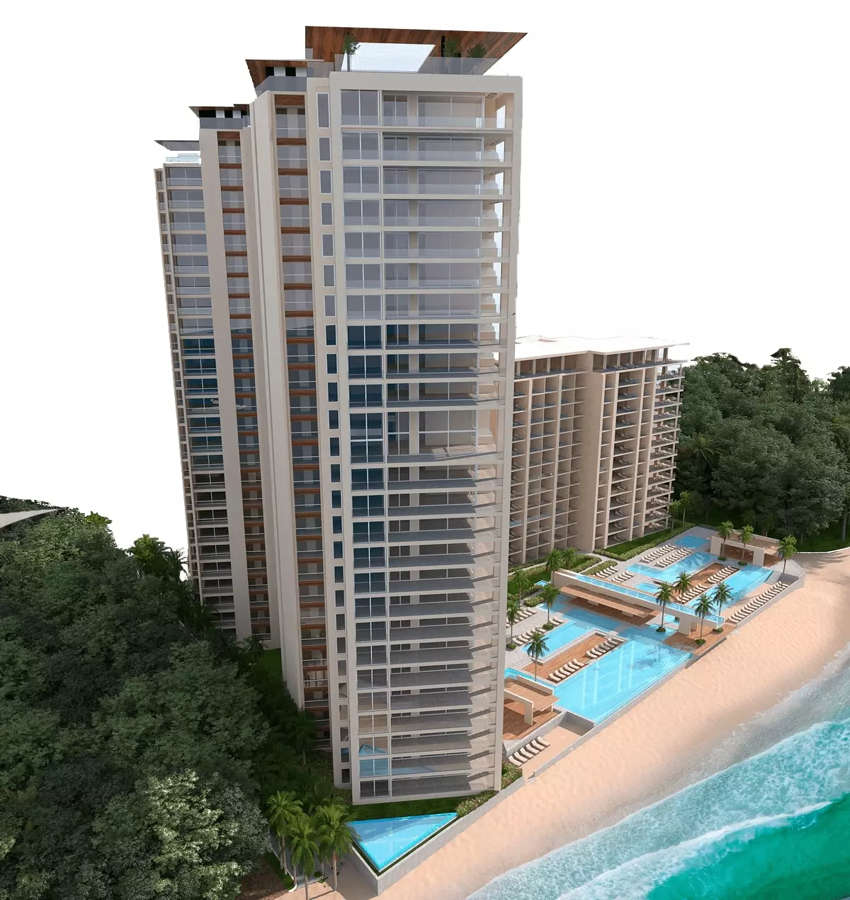
Urban growth continues to spark controversy, particularly surrounding the Harbor 2 megaproject, a massive development featuring six towers and nearly 1,000 planned apartments that has hit another legal speedbump.
The project — currently paused pending the appeal’s outcome — has become the center of a legal and environmental dispute after SEMARNAT, Mexico’s federal environmental agency, appealed a court ruling that allowed construction to proceed without a full environmental-impact assessment.
Environmental groups caution that the residential development project risks damaging coastal ecosystems as well as increasing pressure on local infrastructure. Critics also warn that allowing the project to bypass the environmental-impact process sets a dangerous precedent for future projects along the Bay.
At the same time, Puerto Vallarta recently recorded a historic 5 million visitors so far for 2025, signaling continuing economic growth. Still, local planners now face the challenge of balancing booming tourism with sustainable development, ensuring that roads, water systems, beaches, and natural habitats aren’t overwhelmed by rapid expansion.
From press-freedom disputes and marine-safety concerns to controversial development decisions, Puerto Vallarta is navigating a moment of heightened public attention. Residents, journalists, and community leaders are calling for stronger accountability measures, more transparent governance, and responsible planning that keeps pace with the city’s rapid growth.
How authorities respond in the coming months will help determine whether Puerto Vallarta can maintain a stable balance between vibrant tourism, environmental protection, and civic trust.
Charlotte Smith is a writer and journalist based in Mexico. Her work focuses on travel, politics, and community. You can follow along with her travel stories at www.salsaandserendipity.com.