
I woke up this morning with a feeling I don’t get often enough: pride. Not the inflated kind that demands an audience, but the quiet, grounded kind that comes from knowing I didn’t flinch when it mattered.
I made a geographical, emotional and some might even say existential leap years ago. Today, sitting on my patio with a cup of coffee at my side, listening to Mexico begin another ordinary day, I know I chose well.
Why Bad Bunny’s Super Bowl show felt like home

Didn’t see it? Catch a glimpse of the Super Bowl halftime show that’s provoking so much fuss.
Every day I wake up to in Mexico is richer, more vivid and more alive than I ever thought possible.
Outside, life is already underway. Voices carry. Metal scrapes against the pavement as someone sets up a stall. A radio blares too loudly and without apology. Nothing remarkable, and yet everything.
This is the texture of my mornings now, and it’s the texture that lingered with me after watching Bad Bunny’s performance last night during the Super Bowl. That’s why it’s stayed with me long after the screen went dark.
Not everyone I know back in the United States saw what I saw. They told me it was boring. They didn’t understand what it was meant to be. I understood immediately. Not because I’m particularly sophisticated or tuned in, but because I live inside the world he was showing.

What looked flat to them felt dimensional to me. What felt uneventful to them felt true.
Beyond the spectacle
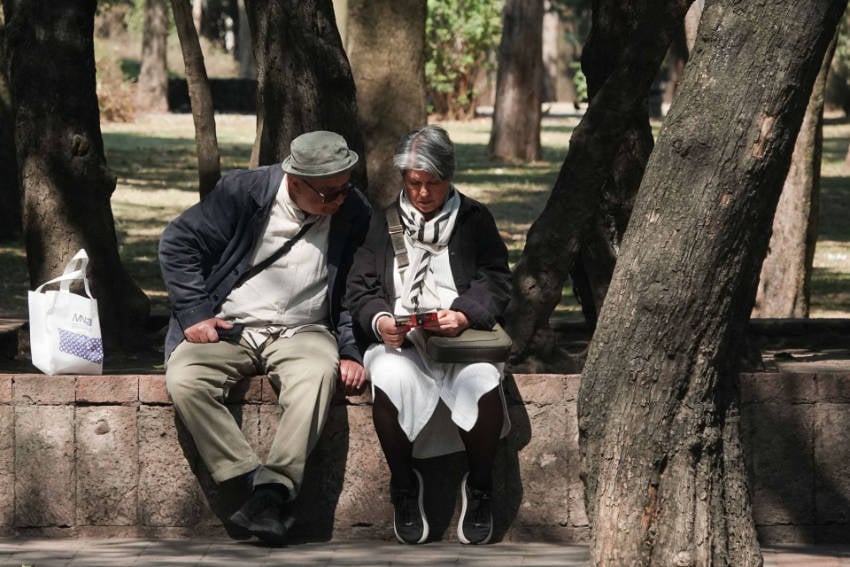
There’s a particular kind of blindness that comes from distance, especially cultural distance. When you’re accustomed to spectacle, to being entertained rather than invited in, everyday life can register as empty.
But if you live here, if you wake up here, shop here, argue here, mispronounce words here and laugh here, those same scenes feel loaded. They’re not trying to impress you. They’re simply telling the truth.
I’m British by birth and a U.S. citizen by naturalization, which means I’ve already lived several lives before this one. Mexico isn’t an extension of either of those places. It doesn’t mirror them, and it doesn’t adjust itself to accommodate their expectations. That’s part of what makes living here feel honest. It demands things of you: attention, effort, presence.
What matters here is how you live. It’s whether you build a life or merely occupy a space. It’s whether you stay tethered to your former home for identity and validation. It’s whether you allow the place you’re in to reshape you.
Mexico reshapes you whether you resist or not.
The welcome here is real, but it’s not performative. It isn’t delivered with a sales pitch or a smile meant to reassure you of your importance. It shows up in patience, in generosity of time. In the way people help you without making you feel small for needing help.
Hospitality here isn’t about making you feel special; it’s about making you feel included, which is far more powerful.
Life without subtitles
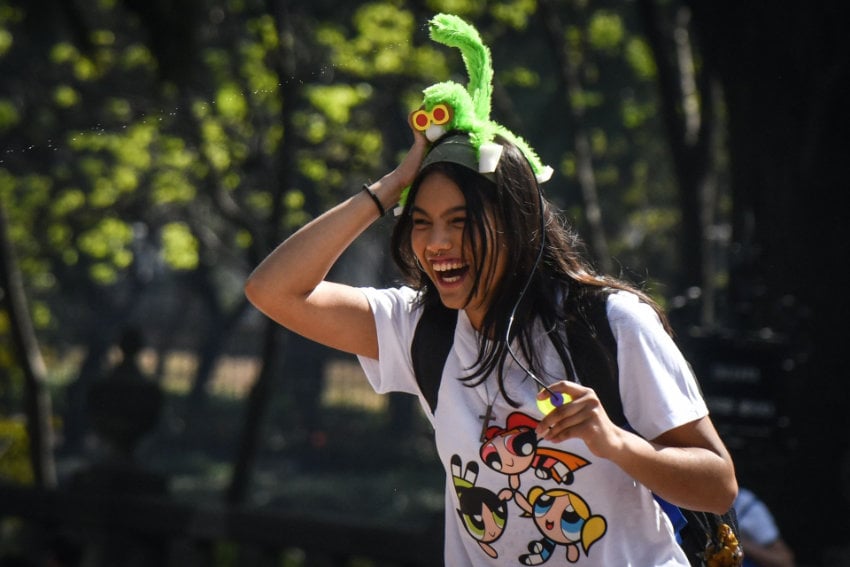
Inclusion, though, isn’t passive. You don’t get it by osmosis.
Learning Spanish wasn’t optional; it was foundational. Not just vocabulary and grammar, but cadence, tone and restraint. Knowing when to speak and when not to. Knowing which word fits the moment, not just the sentence.
Mexicans are often far more fluent in English than they let on, held back by the same fear everyone has: of sounding foolish. When I stumble through Spanish, I recognize that fear in myself. But when they hear me try anyway, something softens because the effort matters.
It always has.
Integration isn’t about becoming Mexican. I never will be. Every person I meet knows that instantly just by looking at me, and that fact won’t fade with time. But there’s a vast difference between being foreign and being detached; between being visible and being present.
I can usually put people at ease quickly. Not because my Spanish is perfect, but because it’s local. It carries awareness and signals that I’m not just passing through.
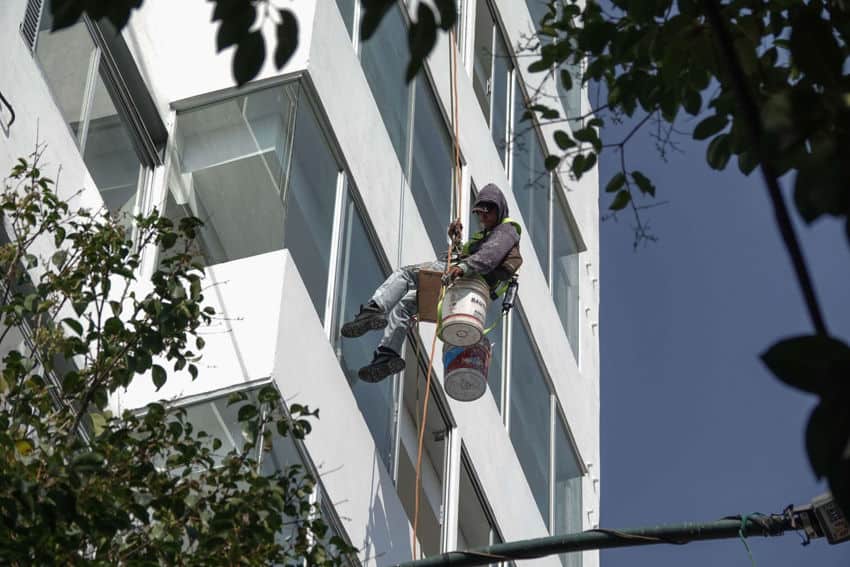
That awareness is what made Bad Bunny’s performance feel like a mirror rather than a puzzle. It didn’t arrive with instructions. It didn’t slow itself down to explain its references. It assumed a viewer who was either willing to meet it where it stood or content to be left behind.
There’s confidence in a refusal to translate oneself into something more easily digestible.
Bad Bunny’s performance: Images of an inhabited life
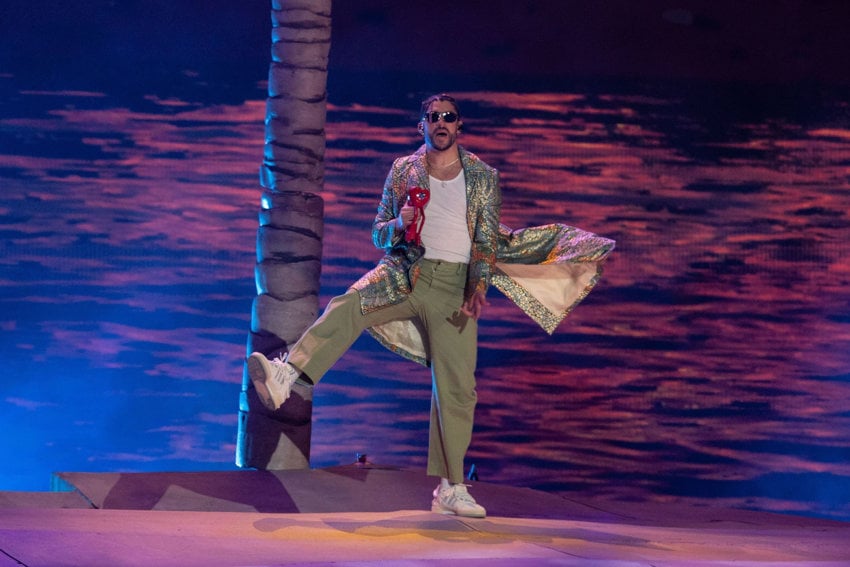
What I saw wasn’t a halftime performance, it was daily life rendered without apology. It was the kind of imagery Anthony Bourdain understood so well. Not the postcard version of a place, but the unstyled, lived-in one.
The moments between moments.
The humanity that doesn’t need subtitles.
Some saw emptiness where I saw density. They saw a lack of narrative where I saw recognition. That gap says less about the performance and more about proximity.
When you don’t live inside a culture, you expect it to announce itself. When you do, you recognise it by its silences as much as its noise.
This morning, as the city continues to wake around me, I’m thinking about how much of my life now would register as “nothing happening” to someone watching from afar.
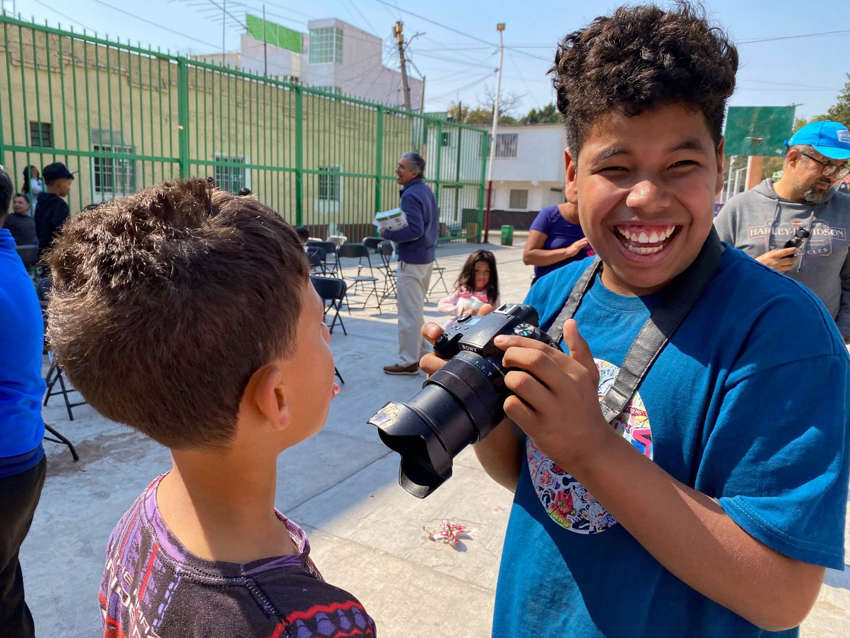
The routines. The conversations. The way days unfold without spectacle.
And yet, this is the richest my life has ever felt. Not because it’s dramatic, but because it’s inhabited.
Choosing to live in Mexico required giving up the ease of being immediately understood, the ease of cultural dominance, and the ease of assuming the world would bend towards me.
In return, it offered something far more valuable: perspective, a daily reminder that the world isn’t built around any one audience.
That’s the leap I’m proud of today.
I didn’t choose comfort. I chose immersion. I chose to live somewhere that doesn’t perform itself for me, somewhere that requires me to pay attention. Somewhere that asks me, every day, to listen harder, speak more carefully, and see more clearly.
Last night’s performance didn’t move me because it was the most amazing thing I’ve ever seen, but it certainly comes close. It moved me because it felt true. And this morning, waking up in the middle of the life it reflected, I feel an overwhelming gratitude.
Not just for the place I live, but for the version of myself that was brave enough to stay.
Charlotte Smith is a writer and journalist based in Mexico. Her work focuses on travel, politics and community.