Home Blog Page 1332

Government warns of ‘economic crisis’ due to Canada’s suspension of flights

0
air canada passengers
Loss in tourism revenue could amount to US $1 billion

The federal government has warned that Canada’s three-month suspension of flights to Mexico could cause a “profound economic crisis” in North America.

Citing the risk posed to Canada by new, more contagious strains of the coronavirus, Canadian Prime Minister Justin Trudeau announced Friday that flights to Mexico and Caribbean countries would be suspended until April 30 starting Sunday. He also said that travelers entering Canada would be required to go into quarantine in hotels at their own expense for up to three days until they receive a negative Covid-19 test result.

It is unclear when the mandatory hotel quarantine requirement will start. The Canadian government said in a statement that “as soon as possible in the coming weeks, all air travelers arriving in Canada, with very limited exceptions, must reserve a room in a government of Canada-approved hotel for three nights at their own cost,” adding that “more details will be available in the coming days.”

With regard to the temporary halt on flights, Mexico’s Ministry of Foreign Affairs said in a statement that the federal government hoped that the suspension could be lifted “as soon as possible in order to prevent a profound economic crisis in the North American region.”

Canada is the second most important source country for travelers to Mexico after the United States, although the number of visitors declined 56% to just under 2.1 million in 2020 due to the coronavirus pandemic.

Six airlines will be directly affected by the suspension of flights, the newspaper Reforma reported, among which is Mexico’s flag carrier, Aeroméxico.

The airline announced that it would suspend flights from Mexico to Canada from the second week of February until April 30. Aeroméxico said in a statement that its flights to Toronto would be suspended on February 8 and its services to Montreal and Vancouver on February 10.

Trudeau said Canadian airlines would make arrangements with customers already in Mexico and Caribbean destinations to organize their return flights.

The news agency AFP reported that Canada’s new travel rules, among which is also a requirement for international passengers to undergo PCR Covid-19 testing upon arrival at Canadian airports, were cause for concern among some travelers at Mexico City airport on Friday.

“I understand that they want to prevent more people being infected … but at the same time I’m a little bit annoyed because I already paid for a test [which is required before boarding a flight to Canada] and doing it again is uncomfortable,” said Ludmila Guerra, a 40-year-old Salvadoran resident of Canada.

A 30-year-old engineer only identified as Héctor went to the airport to try to get on an earlier flight to ensure that he could get to Canada – and avoid hotel quarantine.
puerto vallarta airport
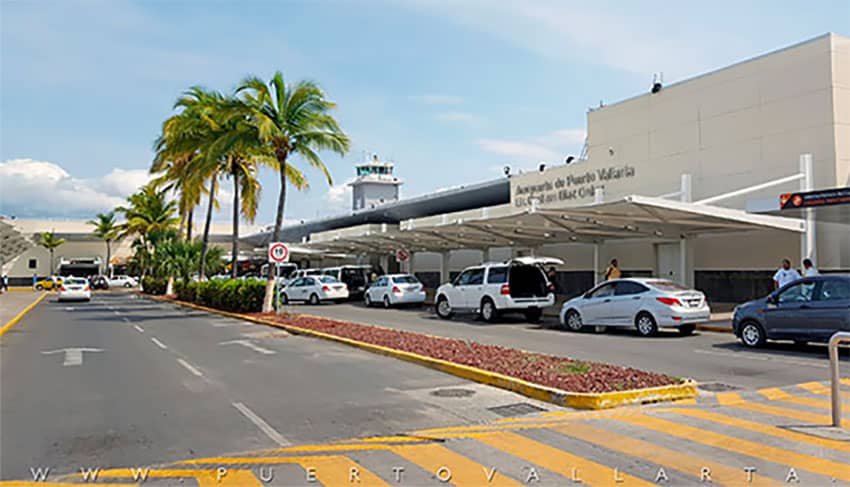
Puerto Vallarta, Los Cabos and Cancún could be hit hardest by the decline in Canadian visitor numbers.

The suspension of flights is a heavy blow for the Mexican tourism sector, which had its most difficult year in living memory in 2020. (The Mexican economy slumped by 8.5% in 2020 – the worst contraction in almost 90 years – and tourism was one of the hardest hit sectors.)

Its announcement came just three days after a rule requiring travelers to the United States to present a negative Covid-19 test result took effect. The U.S. testing requirement and a new quarantine directive are expected to hurt Mexico’s tourism industry. The new Canadian restrictions will only exacerbate the pain.

The National Tourism Business Council (CNET) said that 2021 could end up being a much worse year for tourism than 2020.

The suspension of flights from Canada coupled with the Mexican government’s failure to launch a campaign that highlights what Mexico’s tourists destinations are doing to reduce the risk of coronavirus infection will result in the Easter vacation period being lost, CNET said.

Anáhuac University’s Center of Research and Tourism Competitiveness said that visitor numbers from Canada could decline by 95% in the first four months of the year and that the tourism sector will miss out on revenue of more than US $1 billion.

Cancún, Puerto Vallarta and Los Cabos are the most popular airports with Canadian visitors and therefore those destinations will be hurt the most by the three-month suspension of flights.

The Canadian and U.S. travel testing and quarantine requirements are also likely to have a negative impact on the summer vacation period, although the rollout of Covid-19 vaccines has the potential to change the pandemic situation considerably by the middle of the year.

Mexico, Canada and the United States have all begun administering vaccines but the percentage of the population that has received a shot remains very low in all three countries.

Just over 662,000 doses of the Pfizer/BioNTech vaccine had been administered to health workers in Mexico as of Friday night but the government’s vaccination program hasn’t yet reached seniors or any other sector of the population.
Source: AFP (sp), Reforma (sp) 

13 states are red on coronavirus risk map; the only green state goes yellow

0
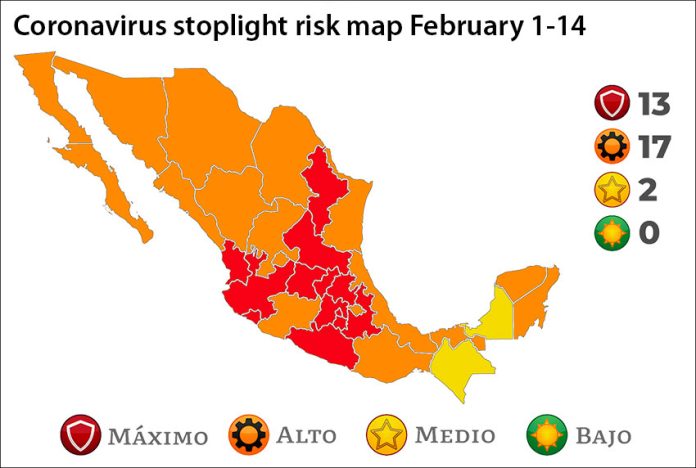
Orange and red dominate the new stoplight map.

For the first time since September, no state in Mexico will be green on the coronavirus stoplight map next week after health authorities announced that Campeche would lose its low risk status on Monday.

Health Ministry official Ricardo Cortés said the state, low risk green since late September, would switch to yellow light medium risk on Monday, joining Chiapas – which was green until two weeks ago – as the only two states in the country with that designation.

The Yucatán Peninsula state currently has 125 active cases, according to federal data, and 5% of both general care hospital beds and beds with ventilators are currently occupied by coronavirus patients.

Cortés said that Campeche lost its green light status by just “one or two points,” adding that authorities in the state are working to ensure the lowest levels of risk are maintained. “The public must support the state’s health team in order to go back to green,” he said.

The Health Ministry uses 10 different indicators to determine the stoplight color allocated to each state including the Covid-19 effective reproduction rate (how many people each infected person infects), the weekly positivity rate (the percentage of Covid-19 tests that come back positive) and hospital occupancy levels.

Thirteen of Mexico’s 32 states will be maximum risk red as of Monday and 17 will be high risk orange.

The red states for the next two weeks will be Mexico City, México state, Nuevo León, Jalisco, Guanajuato, Querétaro, Hidalgo, Morelos, San Luis Potosí, Puebla, Guerrero, Nayarit and Colima.

The first 12 states are already red – the maximum risk level in San Luis Potosí, Puebla, Guerrero and Nayarit was confirmed by the Health Ministry after state authorities decreed the switch to red this week – while Colima will regress to that color from yellow.

The 17 high risk orange states as of Monday will be Aguascalientes, Baja California, Baja California Sur, Sinaloa, Sonora, Durango, Zacatecas, Tamaulipas, Quintana Roo, Tabasco, Oaxaca, Michoacán, Veracruz, Yucatán, Tlaxcala, Coahuila and Chihuahua.

The first 14 states are already orange and will remain that color for the next two weeks. Tlaxcala and Coahuila will switch to orange from red on Monday while Chihuahua will regress to orange from medium risk yellow.

Each stoplight color is accompanied by recommended restrictions to slow the spread of the virus but it is ultimately up to state governments to decide on their own restrictions.

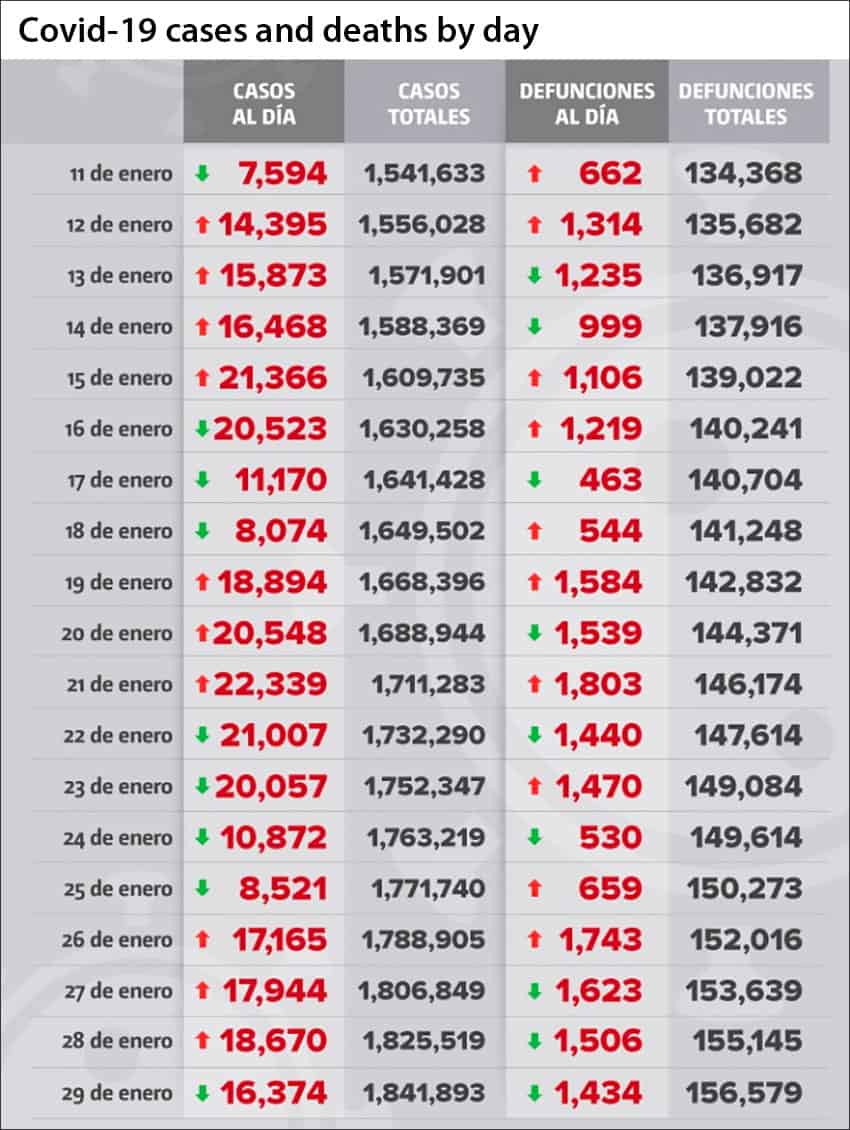
Coronavirus cases and deaths in Mexico as reported by day
Coronavirus cases and deaths in Mexico as reported by day. milenio

The updated stoplight map reflects the difficult coronavirus situation Mexico is facing almost a year after the first cases of the virus were detected. The accumulated case tally rose to 1.84 million on Friday with 16,374 new cases reported while the official Covid-19 death toll increased to 156,579 with 1,434 additional fatalities registered.

An analysis of death certificates conducted by the national statistics agency Inegi and excess mortality date suggest that the real death toll from the infectious disease is much higher.

The greater metropolitan area of Mexico City, where population density is higher than anywhere else in the country, remains the area of most concern. The capital and neighboring México state have a combined accumulated case tally of just over 664,000, meaning that more than one in three cases identified in Mexico since the start of the pandemic were detected in those two entities.

Their combined Covid-19 death toll is above 46,000, a figure that accounts for about 30% of all Covid-19 deaths in Mexico.

There are currently just under 10,000 coronavirus patients in hospitals in the Valley of México metropolitan area, which includes the 16 boroughs of Mexico City and many México state municipalities, but hospitalizations have decreased slightly during the past week. Hospital occupancy for general care beds is 89% in Mexico City and 84% in México state, according to federal data, while the rate for beds with ventilators is 80% and 76%, respectively.

Both states have been red on the stoplight map since December 19 but have slightly eased restrictions this month, allowing restaurants to reopen to in-house diners on January 18 provided they have outdoor space to seat them.

Mexico City official Eduardo Clark said Friday that nonessential businesses can reopen on Monday but must attend to their customers outside the commercial establishment in the “fresh air.”

Enclosed shopping centers and department stores in the capital will not be permitted to reopen until February 8.

In México state, outdoor recreational activities and sports will be permitted as of Monday and restaurants, department stores and shopping centers can reopen, Governor Alfredo del Mazo said Friday.

Restaurants will be permitted to operate Monday to Friday at 30% capacity in indoor areas and 40% for alfresco dining. They must close at 8:00 p.m. and are limited to takeout and delivery service on weekends.

“We’re allowing the opening of some activities due to the need to support families’ finances,” del Mazo said.

“It’s about finding a scheme that allows the partial operation of businesses in order to help families’ finances and at the same time continue looking after everyone’s health. It’s the responsibility of everyone to avoid crowds and follow the health measures,” he said.

Source: El Universal (sp), Milenio (sp) 

In Mexico, cartels and trash move pesos through a ‘trickle-down’ economy

0
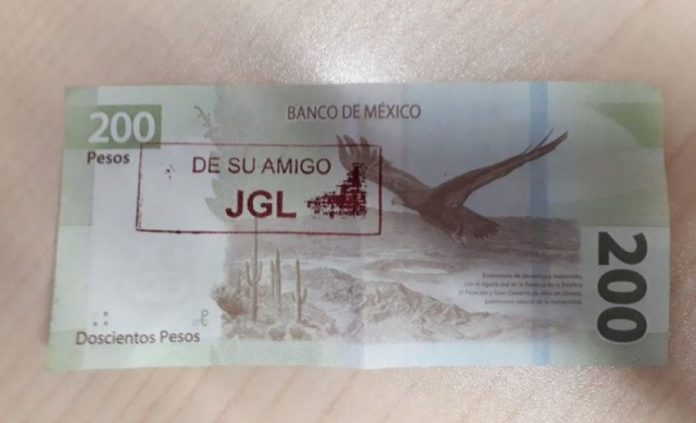
In 2020, these bills with jailed drug lord Joaquín "El Chapo" Guzmán Loera’s initials appeared in Culiacán, evidence of cartels’ influence in Mexico’s economy.
In 2020, these bills with jailed drug lord Joaquín "El Chapo" Guzmán Loera’s initials appeared in Culiacán, evidence of the cartel's influence on Mexico’s economy.

The term “trickle-down economics” was coined by Will Rodgers in the early 1930s. His exact quote was as follows:

“The money was all appropriated for the top in hopes it would trickle down to the needy. Mr. Hoover didn’t know that the money trickled up. Give it to the people at the bottom, and the people at the top will have it before night anyhow. But it will have passed through the poor fellow’s hand.”

He was a humorist making a joke. Yes, a joke.

The pseudoeconomic philosophy behind this joke refers to the proposition that taxes on businesses and the wealthy should be reduced as a means to stimulate investment in the short term and benefit society at large in the long term. The theory that businesses will use their tax savings to reinvest in such a way that the average person benefits economically is pure political bunkum. Publicly traded companies will use their tax savings to buy back shares of their own stock, and the wealthy will simply hoard it.

When wealthy people receive a tax break, they rarely spend it in such a way to benefit society in general; they invest it to increase their personal wealth. This amassing of money at the top of the economic food chain will generate no significant benefit to the average citizen.

However, when the average person receives a windfall, they spend it: they pay bills, buy food, pay for home maintenance or auto repairs or any of the myriad ways money trickles through our fingers on a daily basis. Savings maybe, but not so much. As individuals, our spending habits drive the economic engine which powers a modern economy.

However, here in the land of tacos and tequila, trickle-down economics is not only alive and well, it actually works. There are many forms whereby pesos percolate through this deeply stratified society from the very top and eventually down to the impoverished folks who glean a living at the local landfill.

First, let’s take look at the largest fountain of trickle-down funds that suffuses all regions of México: the drug trade.

We are all aware that the various drug cartels in Mexico generate huge amounts of cash. The estimated monetary flow from this illicit enterprise ranges between US $30 billion and $60 billion per year, depending on the information source, and remittances (money sent to Mexico from abroad) are around $30 billion annually. In light of these figures, if the clandestine cash of the drug trade were to evaporate today, the Mexican economy would crash tomorrow.

The average drug lord does not buy stocks or bonds or options or warrants or any type of paper equities. He buys boats, cars, jewelry, houses, airplanes, restaurants and hotels as well as politicians, judges, various policemen and members of the military — along with numerous “street” people.

In Charles Bowden’s book Down by The River, he writes that according to his research, the Juárez Cartel spent about $40 million every month in the late ’90s for bribes, wages and protection (as well as a significant amount of ammunition). That monthly payroll was spread between 10,000 and 12,000 people and made the cartel the largest employer in that quadrant of Mexico. With at least five active cartels operating around Mexico, all spending money in a similar fashion, a significant benefit is trickled down to the average person. I have spent time in villages in the mountains of Sinaloa, and the prosperity is obvious.

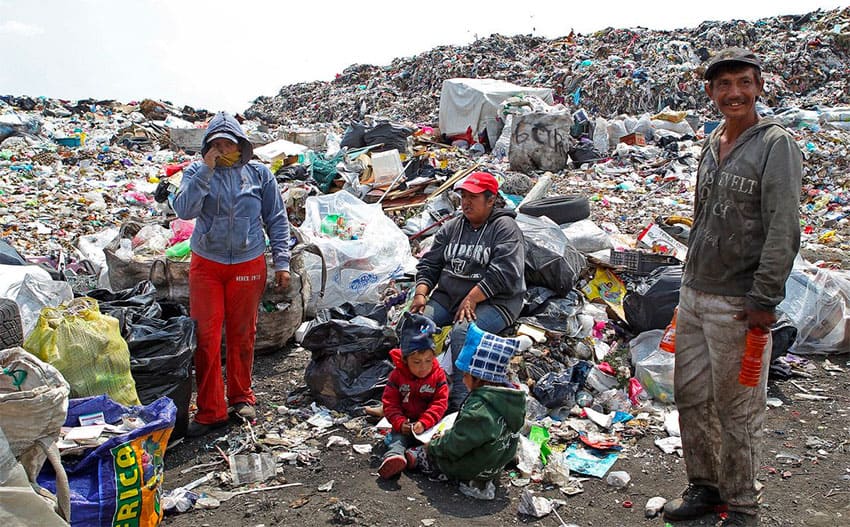
landfill
Trickle-down economics at the landfill.

Most of the people in this illicit business come from impoverished backgrounds, where spending exuberantly and excessively is the ultimate expression of their success. Therefore, most narco cash is spent in such a way that the pesos are circulated throughout the Mexican economy.

In Culiacán, the Sinaloa Cartel’s cultural center, the narco trickle-down is openly expressed with marked currency. Several months ago, 200-peso notes with the stamped message “De su amigo JGL” started to show up throughout the city. It basically says, “From your friend Joaquín Guzmán Loera,” i.e. the infamous drug lord known as “El Chapo,” who even from a prison in the United States trickles down pesos to the people of Sinaloa.

However, average Mexicans also have many ways to contribute to the trickle-down effect as well. A major one is via trash.

If you have spent time in Mexico, I am sure you have seen beer cans flying out the windows of a vehicle. Most of the gringos who witness this act of giving are appalled by what they think is a wanton disregard for our environment and not a trickle-down. However, at 18 pesos per kilo, those aluminum cans will be gathered by someone who is grateful for each and every one. (Helpful gringo info: it is best to separate aluminum from your household basura; this allows the scroungers to easily access what they are seeking without digging through the trash barrel and scattering its contents onto the street.)

When the trash is picked up, even the basureros (garbagemen) have personal bags with them to collect anything of value. By the time the trash truck empties its load at the landfill, even though very few things of any value are left, there are desperately poor people who eviscerate the bags and pick through the contents.

The process of recycling — another form of trickle-down — has been finely tuned throughout Mexico for many generations. North of the border, recycled items are handled by recycling companies, not by impoverished individuals who live a hand-to-mouth existence.

The typical small tire repair shops in Mexico are a prime example of the Mexican ingenuity employed in recycling. These shops will recondition and reuse tires that would warrant jail time in the U.S. or Canada. In a country where a single new tire can cost 2,000 pesos and 30% of the working population makes less than 2,000 pesos per month, any tire which can hold air has an immediate value.

Mexico is a country where many benefit from the kindness of others, and the less fortunate position themselves to maximize that benefit. In the cities, every busy intersection has its share of people looking for a handout. Some will perform, some display a sign with a brief outline of a personal horror story and the severely handicapped just hold out a hand.

In rural areas, vendors will set up at the topes (speed bumps), where motorists are forced to slow to a crawl. In these situations, it is the people without automobiles soliciting a pittance from the people wealthy enough to own an automobile. Even when a person withdraws pesos from an ATM, the machine will ask if you wish to donate to a children’s fund.

Now, if the government would just put a value on anything plastic — bags, cups, packaging, etc. — the landscape would be trash-free, and the impoverished would benefit.

The writer describes himself as a very middle-aged man who lives full-time in Mazatlán with a captured tourist woman and the ghost of a half-wild dog. He can be reached at buscardero@yahoo.com.

Mexico gains 2 points on transparency index, but impunity an obstacle

0
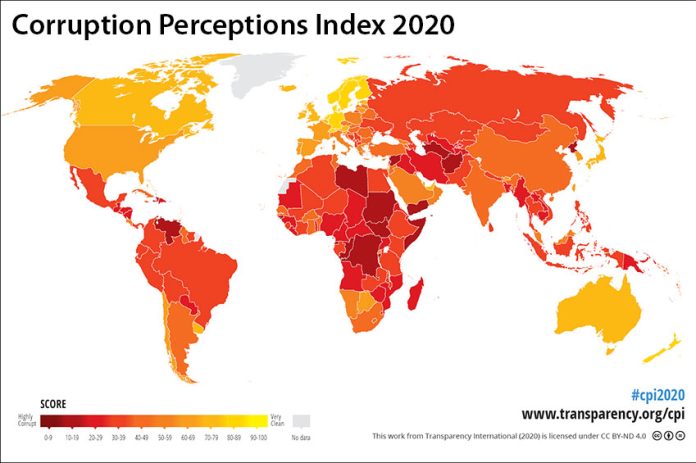
corruption perceptions index
In terms of transparency, Mexico is in the red.

There is slightly less corruption in Mexico today than there was a year ago, according to the non-governmental organization Transparency International.

Mexico rose six places on the 2020 Corruption Perceptions Index (CPI) to rank 124th out of 180 countries, sharing its position with Pakistan, Bolivia, Kyrgyzstan and Kenya.

The index is informed by corruption experts and businesspeople who offer opinions about public sector corruption in the various countries. Much of the focus in the development of the 2020 index was on corruption related to the coronavirus pandemic.

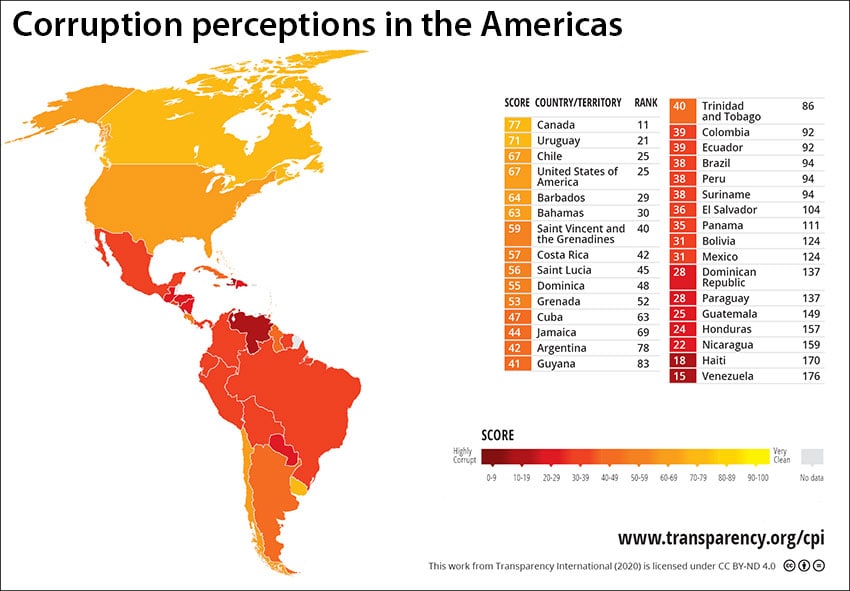
Mexico’s score on the CPI scale, in which 100 is very clean and 0 is highly corrupt, improved two points to 31 but is still well short of the global and Americas average, which was 43 in both cases.

Mexico ranked last out of the 37 OECD countries and is still four points shy of its best ever score of 35, which it achieved in 2014.

corruption perceptions americas

Public Administration Minister Irma Sandoval was quick to take credit for Mexico’s higher CPI score and ranking, saying that the country’s improved standing is a “clear sign that the policies driven by the Ministry of Public Administration to recover the general interest over the private interest are yielding results.”

She cited the implementation of new rules governing the declaration of assets by public officials and close supervision of public purchases during the pandemic as being among the ministry’s anti-corruption achievements.

Transparencia Mexicana (TM), the Mexico chapter of Transparency International, was less congratulatory. It said that one “delicate”issue is that penalties have still not been imposed on people allegedly involved in high profile corruption cases.

They include former cabinet minister Rosario Robles, who was allegedly involved in a government embezzlement scheme known as the “Master Fraud,” and ex-Pemex CEO Emilio Lozoya, accused of participation in corrupt activity involving Brazilian construction company Odebrecht. Both are awaiting trial.

“The risk of impunity” in corruption cases “remains latent,” TM said. The organization made four recommendations to help stamp out corruption.

Within the context of the coronavirus pandemic and its social and economic consequences, Mexico must strengthen its anti-corruption institutions, especially the Federal Auditor’s Office (ASF) and the National Institute for Transparency and Access to Information, TM said.

That is not likely to happen with the latter. The federal government has made it clear that it wishes to disband the transparency watchdog, along with other autonomous agencies, on the grounds that a government that acts morally makes it unnecessary.

TM said that the the ASF should audit public spending in real time, “with particular emphasis on expenditure on health, social programs and economic recovery programs.”

It also said that INAI, the transparency watchdog, should ensure that there is “maximum publicity” of government actions related to the pandemic.

TM’s fourth recommendation was for the federal Attorney General’s Office and institutions of justice to focus on achieving “concrete results” in corruption cases. Such results should include prison sentences for those involved, recovery of diverted resources and compensation for victims of corruption, it said.

Mexico has a lot of work to do break into the top 100 least corrupt countries on the CPI – the cutoff for the top 100 was 38 points – let alone reach the upper echelons of the index.

New Zealand and Denmark both ranked first on the 2020 CPI with a score of 88 followed by Finland, Sweden, Singapore and Sweden, which shared third place with a score of 85.

The highest ranking country in the Americas was Canada (at 11th) followed by Uruguay (21st) and the United States and Chile (25th).

In last place with a score of just 12 were Somalia and South Sudan. Syria, Yemen and Venezuela rounded out the top five most corrupt countries.

Mexico News Daily 

The real find in this caving area turns out to be the paradise around it

0
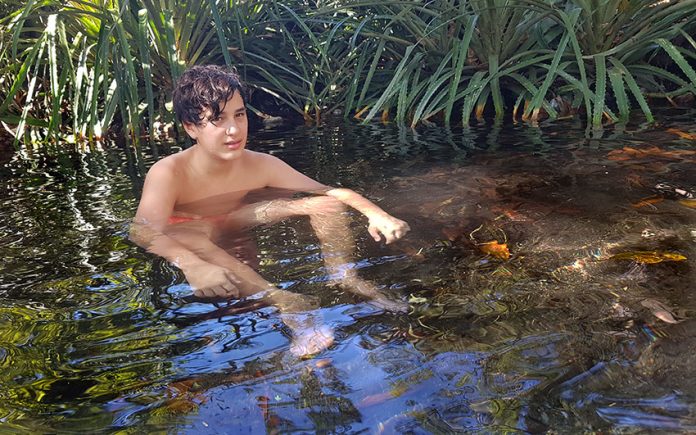
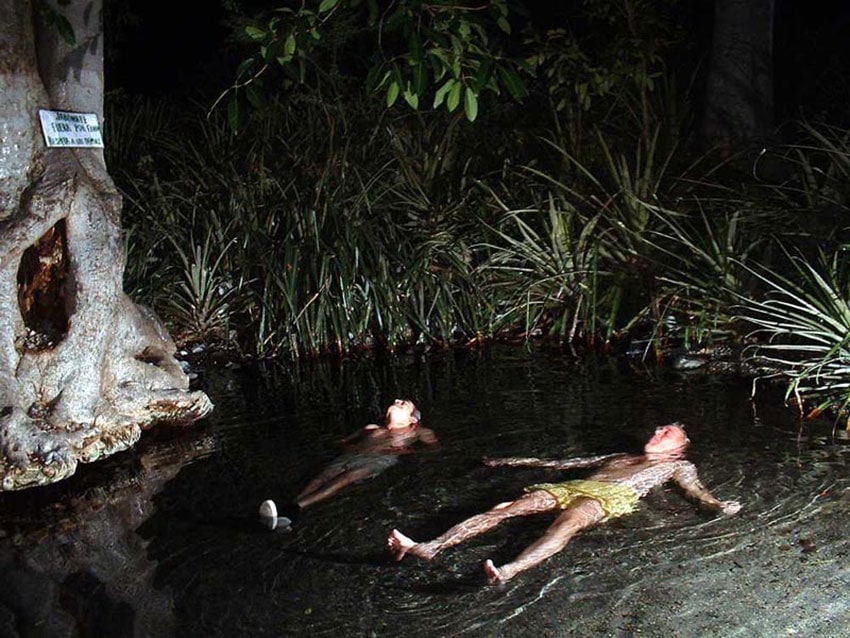
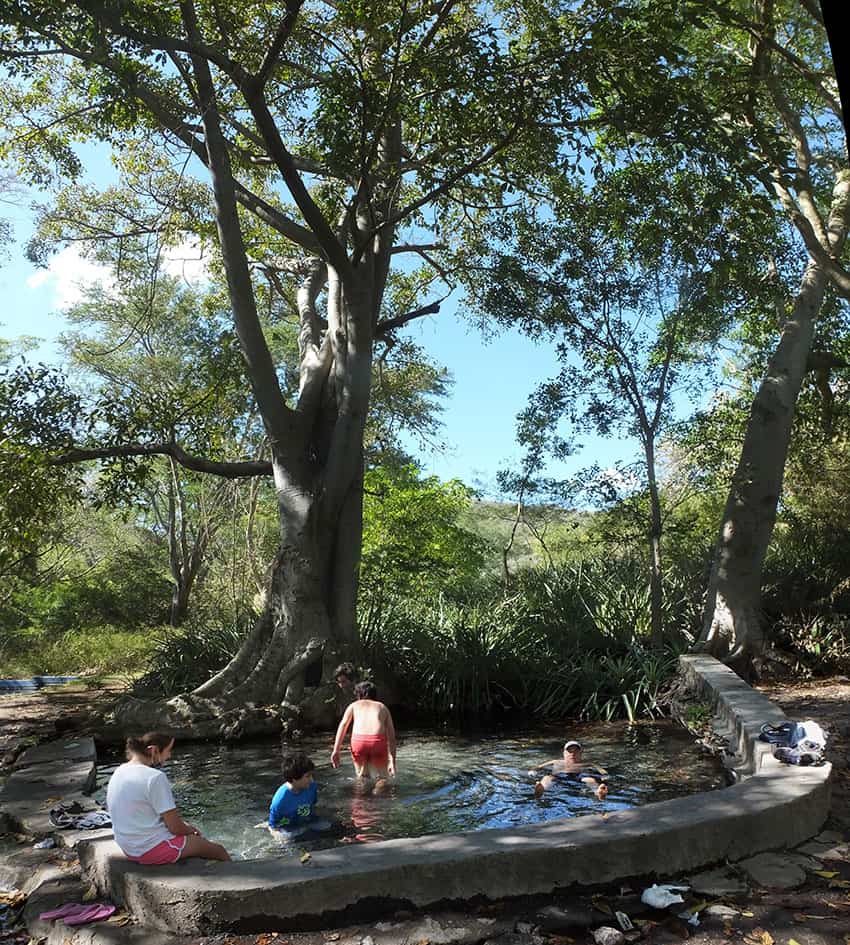
Relaxing in the transparent, 38-degrees Celsius waters around Las Cuevas.
Relaxing in the transparent, 38 C waters around Las Cuevas.

One of the lesser-known benefits of cave exploring in Mexico is the occasional natural wonder you stumble upon while beating the bush in search of a cavern.

On many an occasion, that elusive cueva (cave) turns out to be a mere socavón, just another hole in the ground that no self-respecting bat would ever deign to live in. Ah, but that natural wonder discovered along the way could be anything from a dazzling waterfall to a stupendous mirador or lookout point: a veritable jewel that only the folks in the local ranchos know anything about.

One of the best examples is what I call the Hot Pool of Paradise.

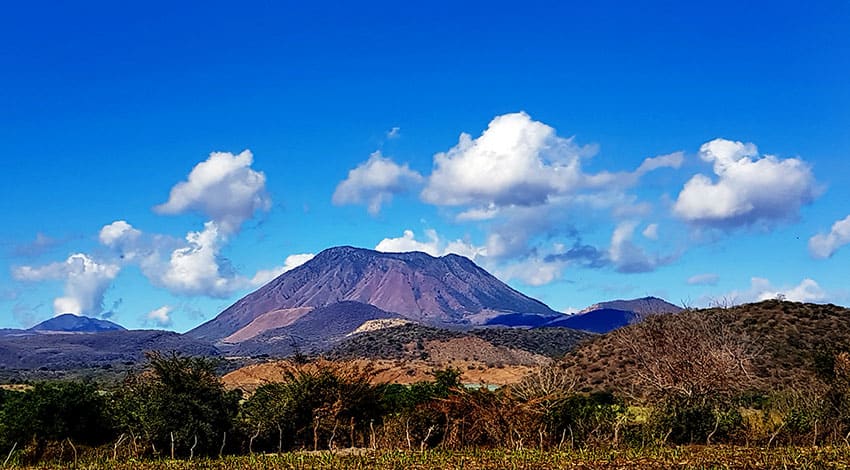
Many years ago, I was examining the topographic map for Ceboruco Volcano in Nayarit and spotted a place called Las Cuevas not far from the little town of Verde Valle.

On one fine day off, we went to Verde Valle, where a local beekeeper confirmed that we would indeed find caves at Las Cuevas and told us how to get there:

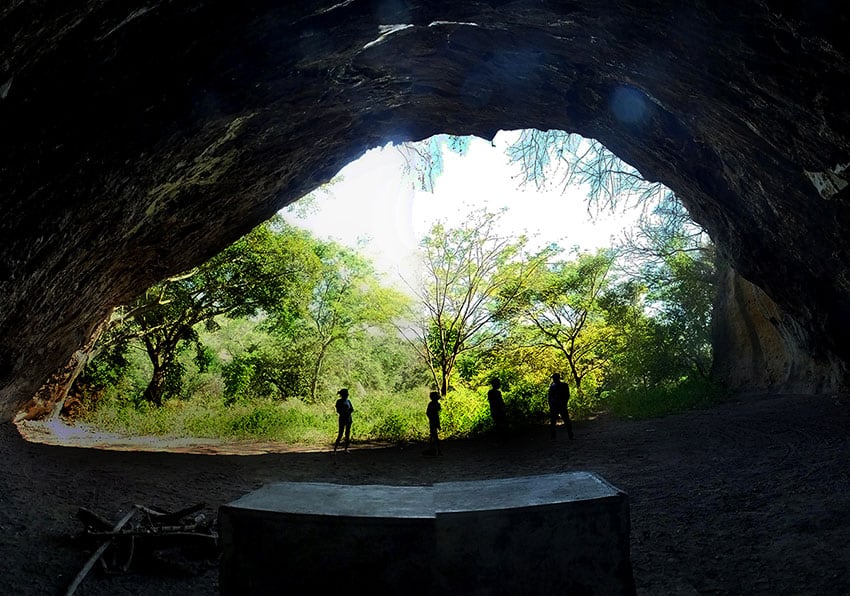
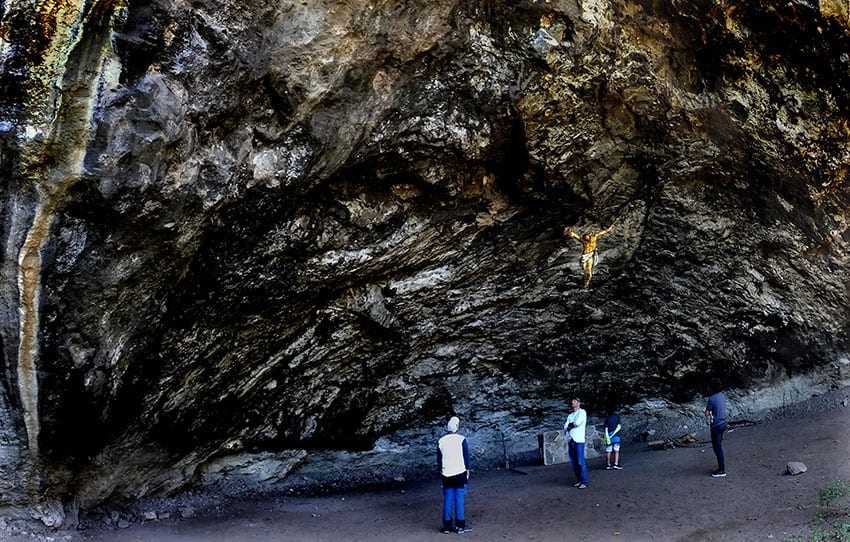
The shelter cave entrance.

“Just follow the railroad tracks and turn right after four kilometers,” he said.

This we did, and nailed to a tree at that exact spot we found a sign for Balneario Los Cocos, a name indicating that we had encountered a natural spa. Caray, we thought: a noisy water park here in the middle of nowhere? ¡No es posible! 

But for the sake of those marvelous caves we were after, we continued right on. The road turned out to be so rough that our worries about finding taco stands at the end of it soon vanished.

For 2.5 kilometers, we bounced along that poor excuse for a road until, on our left, we spotted the shelter cave — about 15 meters long and 10 meters deep, offering fine protection from the elements.

Its well-blackened, slanted ceiling suggested that people had been using it for this purpose for many, many years. This place, to our surprise, was “furnished” with tables, chairs and a stove, all made of flat rocks; it even included an old grave.

A horseman then came by and told us that the cave was being used every year as a temporary home for workers during the harvest season.

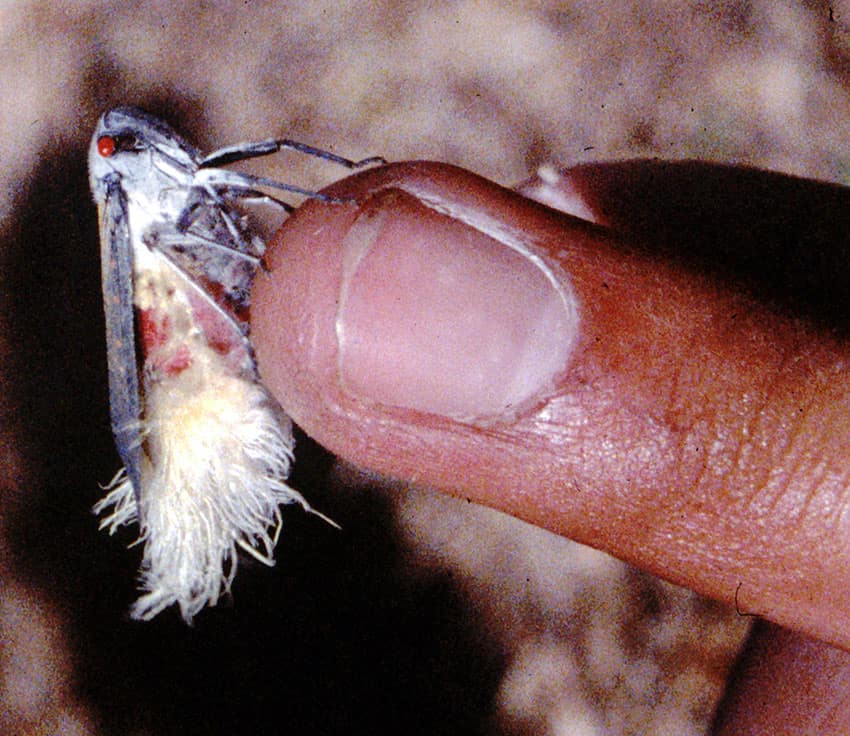
In the "raining tree" we found this homopteran, a sucking insect, species unknown.
In the “raining tree” we found this homopteran, a sucking insect, species unknown.

“This cueva,” he told us, “used to be very deep and long, but the passage leading to the rest of it has been sealed off because vampire bats would come out of it every night and scare people. It doesn’t look like it, but this cave goes all the way through the hill. If you go around to the back of it, you will find the other entrance.”

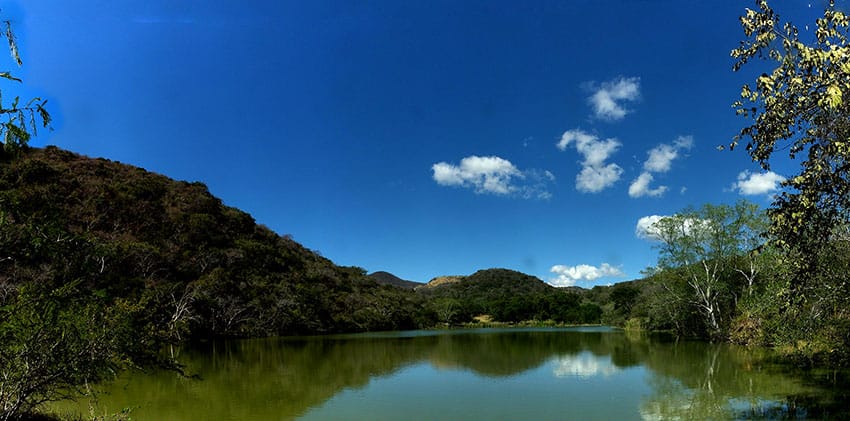
Just past the cave, we came to a nice-looking lagoon, which was actually a dam. The water was lukewarm, and we could see fish jumping in it. Here we parked and began walking around to find a good camping spot.

“How about under that fig tree?” I suggested.

To our great amazement, the moment we stepped beneath the tree’s spreading branches, it began to rain; the moment we stepped away from it, the rain stopped. Among us was naturalist Jesus “Chuy” Moreno, to whom we immediately turned for an explanation. Chuy climbed up onto a low branch and came back down with a bug in his hand. It somewhat resembled a grasshopper, but it was gray and fuzzy.

“This,” he announced,” is what’s causing the ‘rain.’ But it isn’t rain at all: these insects are peeing on us!”

There was a brook (the source of the lagoon) flowing next to the fig tree, and we followed it upstream to its origin, a hot spring bubbling up in the middle of a shallow, natural pool with a sandy bottom. Somebody had conveniently channeled its outflow into two artificial swimming pools, giving us three different bathing temperatures to choose from. It seemed that we had found Balneario el Coco but without the crowd and the noise!

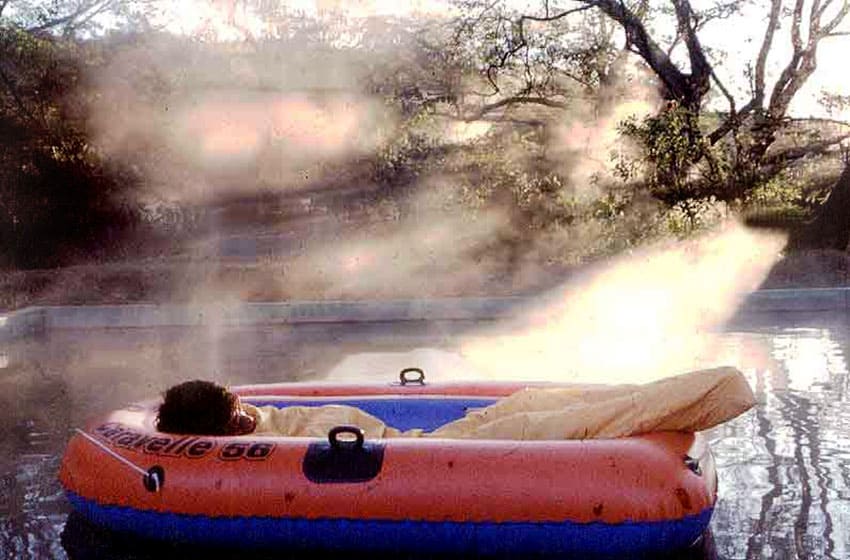
Chuy Moreno discovers how to get a warm night’s sleep without a tent.

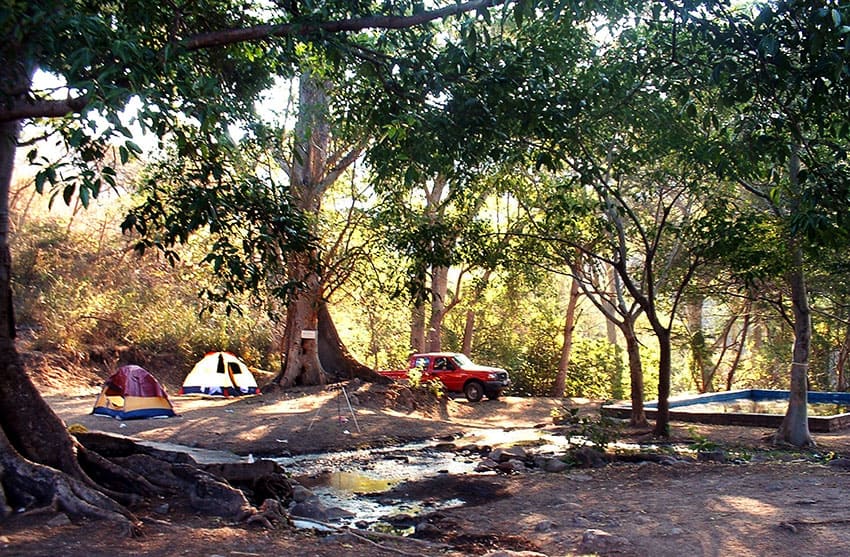
This was obviously the ideal place for us to camp. We immediately got busy cooking supper.

“For dessert,” I announced, “We’re going to have cajeta [caramel] which I am going to produce by simply heating this ordinary can of sweetened condensed milk.”

I was about to open the can when Chuy stopped me.

“No, don’t open it,” he insisted. “My mother makes this all the time, and you shouldn’t open the can.”

“Okay,” I said. “Mom knows best.” And so I placed the can on top of some hot coals in the campfire.

Something then distracted me, and I completely forgot about my cajeta delight until we all heard a tremendous bang.

Gazing at the stars while soaking in the Hot Pool of Paradise.

A great white cloud shot straight up into the air above the campfire.

“The cajeta!” I cried as white rain fell back down, coating every one of us with sugary goo. Only later did we learn that the unopened can should be placed inside a pot of boiling water, not directly over a flame.

Fortunately, the hot spring was right at hand for removing that sticky residue. When night fell, steamy vapors began to rise from the shallow pool, which was surrounded by exotic plants that look like wild pineapples festooned with yellow ping-pong balls. The water was crystalline, amazingly transparent, and its temperature was 38 C  — perfect for a soothing hot bath on a cold winter’s night. In that delicious hot pool, we lay on our backs on its sandy bottom, staring up at the stars, hunting for meteorites, while we were serenaded by a big brown owl hooting from a branch far above us.

“This,” we decided, “may be as close to paradise as we’ll ever get.” And the name stuck.

We spent the next day hunting for a cave entrance on the other side of the hill.

“Look for a clearing,” our informant had told us, “with a cabra tree in the middle of it.”

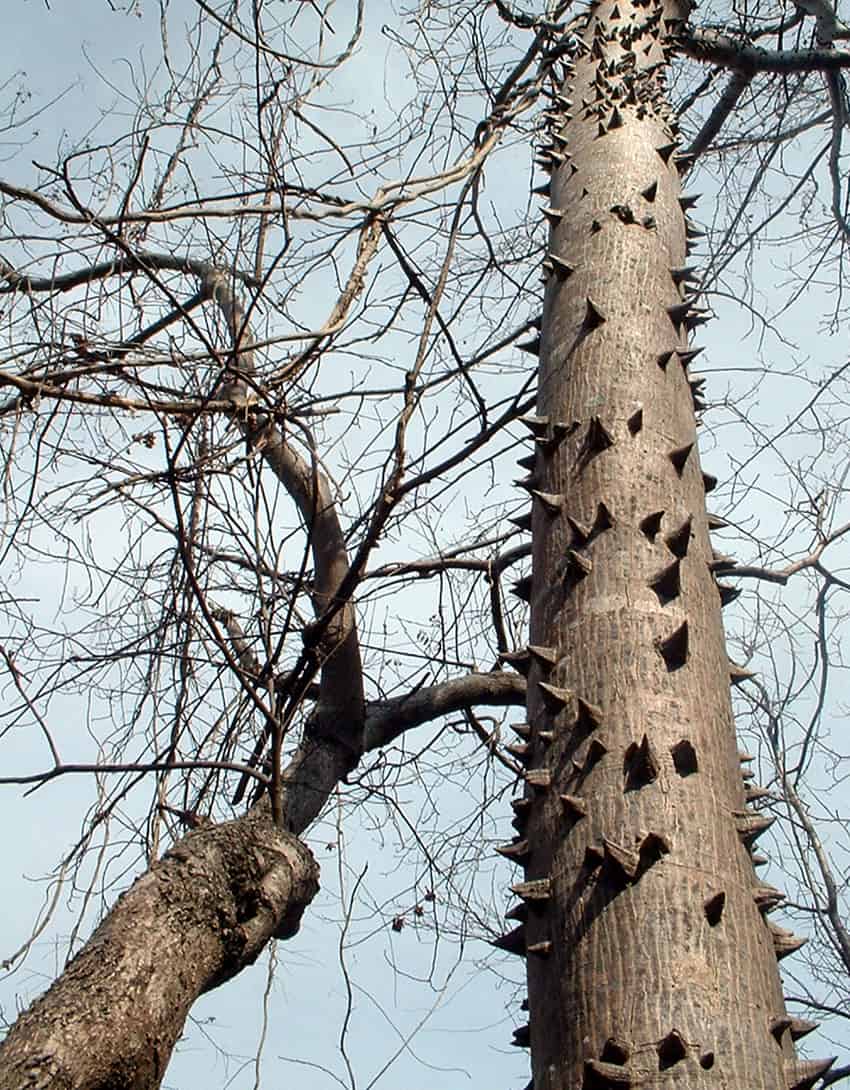
The pochote produces real cotton balls and is easily recognized by its spiked trunk.

Now, we had never heard of a cabra tree, but we were told that its fruit comes in pairs “that look like large hog’s balls,” just the sort of thing we were sure we couldn’t miss.

As we beat about the bush (with nary a clearing to be seen anywhere), we spotted iguanas, squirrels and lots of birds, such as motmots, orioles, hawks and sleek wild turkeys. We also came upon some impressively spiked pochote (silk cotton) trees, one of which was home to a mysterious great black ball on its trunk, which turned out to be hundreds of daddy longlegs all huddled together in a quivering black mass. We even came upon a few of those hog’s-ball trees.

Yes, in the course of the morning we spotted everything but that cave, and we eventually came to the conclusion that the real treasure of Las Cuevas is its enchanting Pool of Paradise.

I returned there a few weeks ago, and I’m happy to report that the only development has been the transformation of the shelter cave into a kind of church. The hot spring, however, is just as rustic — and delicious — as ever. Should you go there on a weekday you will have “paradise” all to yourself, but on Sunday afternoons and evenings a lot of locals come here to picnic and bathe.

If you have a high-clearance vehicle and a weekday at your disposal, ask Google Maps to take you to “48HJ+7F Corral Falso, Nayarit.” This will get you to within two kilometers of the lagoon, cave and hot pool.

To cover the rest of the distance, switch to satellite view, and you can easily see how to get farther north to the lagoon, which is also very visible. The shelter cave is on the left side of the road, 200 meters south of the lagoon; the hot spring is 300 meters north of the lagoon. And now, Paradise is yours!

The writer has lived near Guadalajara, Jalisco, for 31 years, and is the author of “A Guide to West Mexico’s Guachimontones and Surrounding Area” and co-author of “Outdoors in Western Mexico.” More of his writing can be found on his website.

Ever on the horizon is still smoldering Ceboruco Volcano.


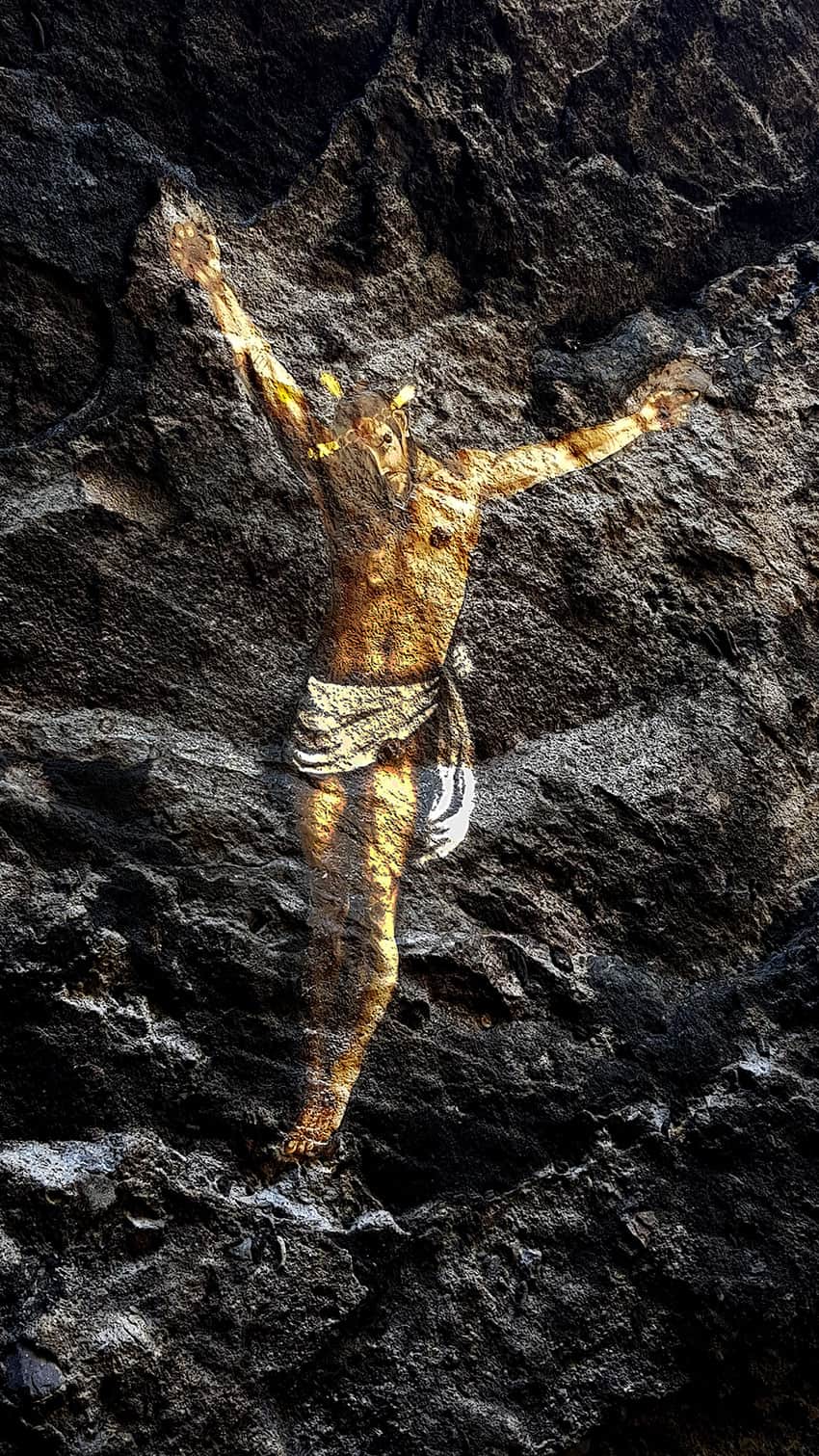
Close-up of the crucifix painted on the ceiling.


Camping at the Hot Pool of Paradise.


Once a home for seasonal workers, the cave now serves as a church.


The lagoon has lukewarm water and plenty of fish.


The spring-fed Pool of Paradise, located at the end of a rough road in the state of Nayarit.

Doctor condemned for suggesting medication for AMLO to provoke thrombosis

0
Dr. Araiza later apologized for his tweet.
Dr. Araiza later apologized for his tweet, which attracted international condemnation.

A doctor has been publicly condemned and removed from his role as an ambassador for the European Society of Cardiology (ESC) after suggesting that President López Obrador – currently ill with Covid-19 – should be given a cocktail of drugs that could cause deep vein thrombosis or acute kidney failure and ultimately kill him.

After López Obrador announced last Sunday that he had tested positive for Covid, Diego Araiza, a cardiologist, took to Twitter to suggest that someone should prescribe the president hydroxychloroquine, azithromycin, direct oral anticoagulants and steroids.

Araiza said the president would consequently develop deep vein thrombosis or acute kidney problems. As a result, Mexico would be saved from having to endure López Obrador’s lengthy morning press conferences, the doctor wrote.

Araiza’s remarks were promptly condemned by many Twitter users.

“This is unacceptable. While thousands of doctors fight to save lives, this doctor, Diego Araiza, chooses to taunt and [wish] death [upon the president]. I’m outraged,” wrote Jorge Gómez Naredo, a university professor with 82,000 Twitter followers.

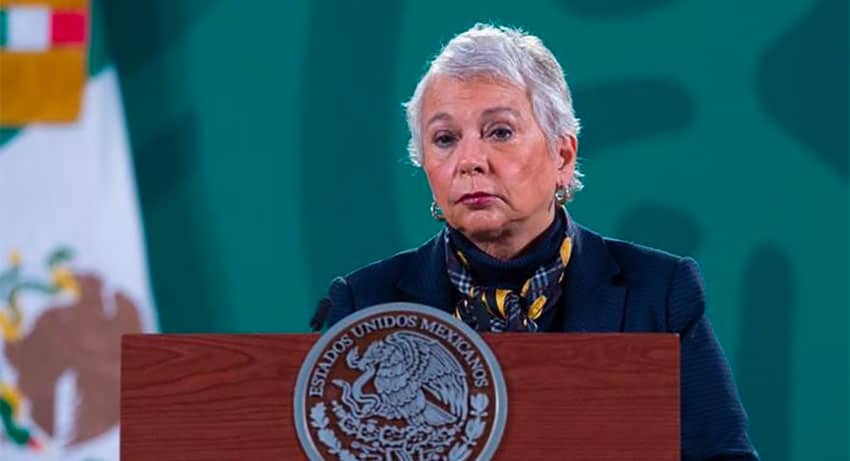
Interior Minister Sánchez
Interior Minister Sánchez: ‘Reprehensible conduct.’

The Inter-American Society of Cardiology said it “energetically rejected” the “irresponsible comments” of one of its members and extended its wishes to the president for a quick and full recovery.

“We hope that this unacceptable episode causes this young cardiologist to reflect about the damage his words can cause,” it said.

The European Society of Cardiology tweeted that it did not endorse the post by one of its social media ambassadors.

“Diego Araiza has publicly apologized and will no longer be an ambassador for the society, as his message infringed ESC social media guidelines,” it said.

Prior to that post, Araiza published a message on his now-deleted Twitter account.

“With respect to the tweet published yesterday [Sunday] about the health of the president I would like to make a public apology and clarify that my intention was not to offend or wish misfortune on anyone. I regret having treated an issue that is so sensitive for Mexicans with scant seriousness. The text shared was on my behalf and doesn’t involve the thoughts or actions of any [medical] institution or society, or my medical colleagues. I wish a quick recovery for all Mexicans suffering Covid-19 including President Andrés Manuel López Obrador,” he wrote.

Interior Minister Olga Sánchez, who has stood in for López Obrador at this week’s government press conferences, weighed in on the matter on Thursday, saying that the doctor’s remarks were regrettable and angered her.

“The truth is it was very regrettable and I believe that he has violated a fundamental medical ethics code. His conduct is reprehensible,” she said.

“Although we’ve always said that there is absolute freedom of speech, all rights have limits and the limits are when the rights of third parties are affected.”

Meanwhile, López Obrador remains in isolation at his home in the National Palace where he is being monitored by a medical team led by Health Minister Jorge Alcocer. The president is said to have only mild symptoms.

Source: Infobae (sp), Proceso (sp), El Universal (sp) 

Canada imposes mandatory quarantine for travelers, suspends Mexico flights

0
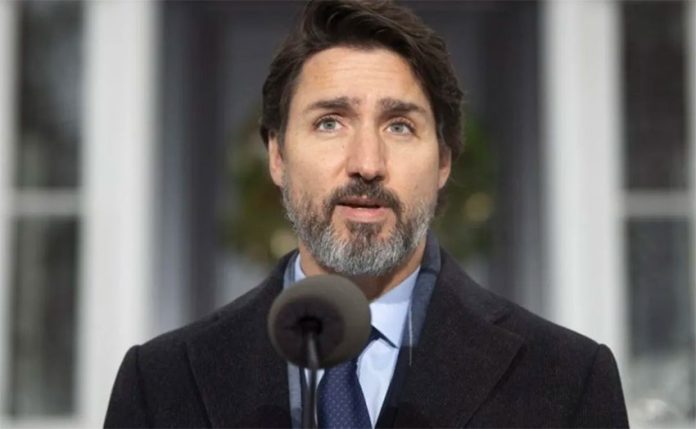
Canadian Prime Minister Trudeau
Canadian Prime Minister Trudeau: 'New variants of Covid-19 pose a real challenge to Canada.'

Canadian Prime Minister Justin Trudeau has announced stricter travel-related coronavirus restrictions that will require travelers entering the country to go into quarantine in hotels at their own expense. In addition, flights to Mexico and Caribbean countries will be suspended until April 30.

The implementation of the stricter rules comes in response to the emergence of new strains of the virus, some of which have been shown to be more contagious.

“New variants of Covid-19 pose a real challenge to Canada. That’s why we need to take extra measures,” Trudeau said Friday.

The prime minister said that people arriving at Canadian airports will have to undergo mandatory PCR testing in addition to presenting a negative test result before they board their flight.

“Travelers will then have to wait for up to three days at an approved hotel for their test results, at their own expense, which is expected to be more than [CAD] $2,000,” he said.

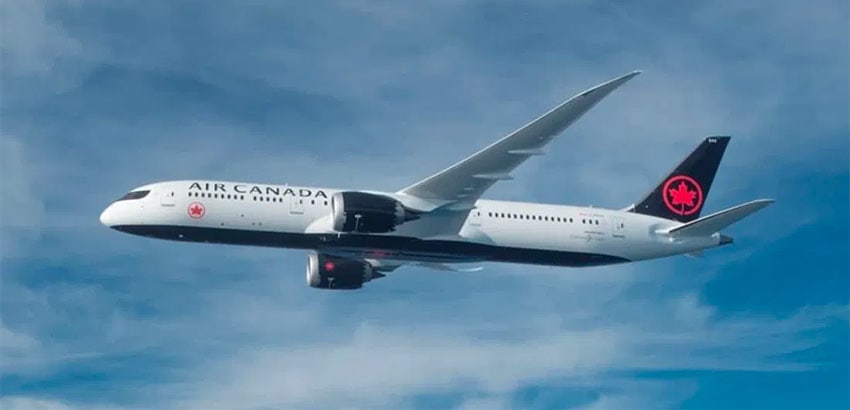
air canada
Flights to and from Mexico have been suspended until April 30.

“Those with negative test results will then be able to quarantine at home under significantly increased surveillance and enforcement.”

Under existing rules, people entering Canada are required to self-isolate for 14 days. Now, after people leave hotel quarantine, security contractors will visit Canadians’ homes to check that they are completing their full isolation period.

The high price for the three-day hotel stay includes the cost of a private PCR test, security and food. It takes into account the cost of the measures designated hotels will have to implement to ensure the safety of their workers.

“The cost is a ballparking. This isn’t like any other facility. This is one where there has to be infection prevention control measures, security and other costs as well. It’s not just a regular stay at a hotel,” said Dr. Theresa Tam, Canada’s chief public health officer.

She said that travelers will also have to be tested 10 days after they enter the country.

Trudeau said that people who test positive will be immediately transferred to government quarantine facilities where further testing will determine if they are infected with strains of particular concern, such as those originating in the United Kingdom and South Africa.

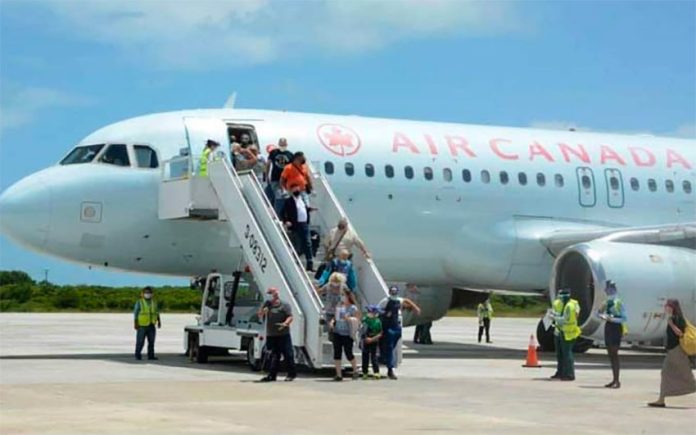
The prime minister also announced that his government and the main Canadian airlines have agreed to a suspension of all flights to so-called sun destinations. Air Canada, WestJet, Sunwing, and Air Transat will cancel all services to Mexico and Caribbean destinations starting Sunday until April 30, Trudeau said.

He made it clear that the aim is to discourage all nonessential travel, not just holiday trips to Mexico and the Caribbean.

“With the challenges we currently face with Covid-19, both here at home and abroad, we all agree that now is just not the time to be flying,” Trudeau said.

“By putting in place these tough measures now, we can look forward to a better time, when we can all plan those vacations.”

The suspension of flights is a heavy blow for the Mexican tourism sector, which had its most difficult year in living memory in 2020. It comes just three days after a rule requiring travelers to the United States to present a negative Covid-19 test result took effect. The U.S. testing requirement and a new quarantine directive are expected to hurt Mexico’s tourism industry. The new Canadian restrictions will only exacerbate the pain.

Trudeau said that Canadian airlines will make arrangements with customers already in Mexico and Caribbean destinations to organize their return flights. He said that starting next week, all incoming international passenger flights must land at the airports in one of four cities: Vancouver, Toronto, Calgary and Montreal.

From there they will be taken to designated quarantine hotels.

The prime minister also said that in the coming weeks Canada will require nonessential travelers to show a negative test before entry at the land border with the U.S.

The Mexico-United States border remains, in theory, closed to nonessential travel. There are no testing requirements for essential travelers in either direction.

Unlike many countries, Mexico has not restricted flights from any foreign nation during the coronavirus pandemic. It hasn’t required foreign travelers or Mexicans returning home to quarantine upon arrival in the country either.

Source: AP (en) 

Confronting thief costs man his life; observers retaliate with beating

0
police line

A thief who tried to mug patrons at a México state restaurant and killed a diner who fought back became a target himself when bystanders took off after him and attempted a lynching.

Thursday’s incident when the would-be thief entered La Morenita restaurant in Tecámac with a gun and began demanding that customers give him their valuables.

Edgar Marcel, a local administrator with the federal Attorney General’s Office, confronted the thief and attacked him, trying to take away his gun, but the attempt failed and Marcel was shot and killed.

When the thief fled the scene, the restaurant’s 48- and 41-year-old owners began pursuing him through the streets outside. The thief fired more shots at them, causing minor injuries to both men but also attracting the attention of bystanders, who joined the pursuit, caught the suspect and overpowered him.

They beat the man until he fell unconscious and left him on the pavement with his gun placed next to his body.

When police arrived they took the thief, who showed vital signs, as well as the injured restaurant owners to a nearby hospital for treatment.

Two similar incidents have occurred in Tecámac in the past week.

On January 22, passengers on a Servicio Expresso passenger bus traveling on the Mexico-Pachuca highway toward Mexico City attacked a would-be thief who tried to hold up passengers with a gun.

The commuters overpowered the man when he became distracted and then beat him to death while the bus was en route. There were no arrests.

The following day, also in Tecámac, passengers on a bus owned by the Cometa de Oro company fought back against three armed thieves. In the process of demanding the passengers’ belongings, the men opened fire inside the bus, wounding one of the passengers.

When the thieves began to flee, passengers fought back and captured one of the suspects, beating him before police arrived and took him into custody.

Sources: El Universal (sp), La Prensa (sp), Milenio (sp)

Refineries miss output targets, continue operating well below capacity

0
For Pemex's refining business, 2020 was not a banner year.

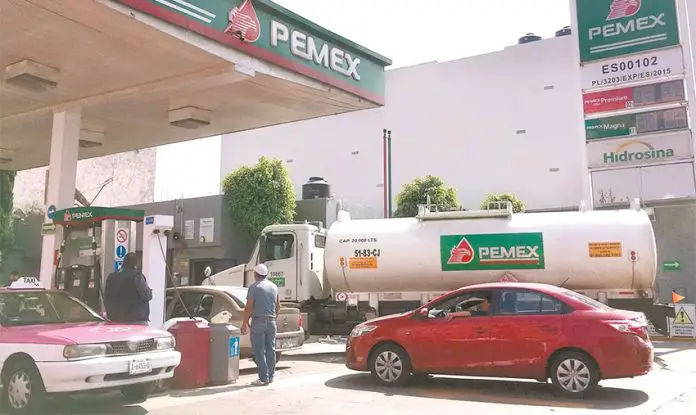
The performance of Mexico’s six state-owned oil refineries was disappointing in 2020: the refining target was not met and gasoline production declined to its lowest level in almost three decades.

The Cadereyta, Minatitlán, Salina Cruz, Tula, Madero and Salamanca refineries processed an average of 591,100 barrels of crude per day last year. The figure represents just 38.3% of capacity, which is 1.54 million barrels per day (bpd), according to the federal Energy Ministry.

When the federal government took office in December 2018, the refineries were operating at 33.1% capacity and Energy Minister Rocío Nahle pledged that they would increase daily processing to 900,000 bpd, or 58% of capacity, by the end of 2019.

But the refineries fell well short of that target and in 2020 failed to meet a new goal of 651,000 bpd pledged by Pemex CEO Octavio Romero.

Erick Sánchez Salas, an energy director at the business intelligence company IHS Markit, said the poor 2020 refining result is not surprising because Pemex has directed resources that are needed to operate, maintain and upgrade the existing refineries to the new Dos Bocas refinery, which is currently being built on the Gulf of Mexico coast in Tabasco.

Figures are in thousands of barrels per day. In brackets are domestic sales. el economista

The newspaper El Universal reported that a significant part of the problem is a lack of crude to process. Many energy sector analysts have been critical of the decision to build the US $8-billion refinery, arguing that it diverts funds from Pemex’s more profitable exploration business.

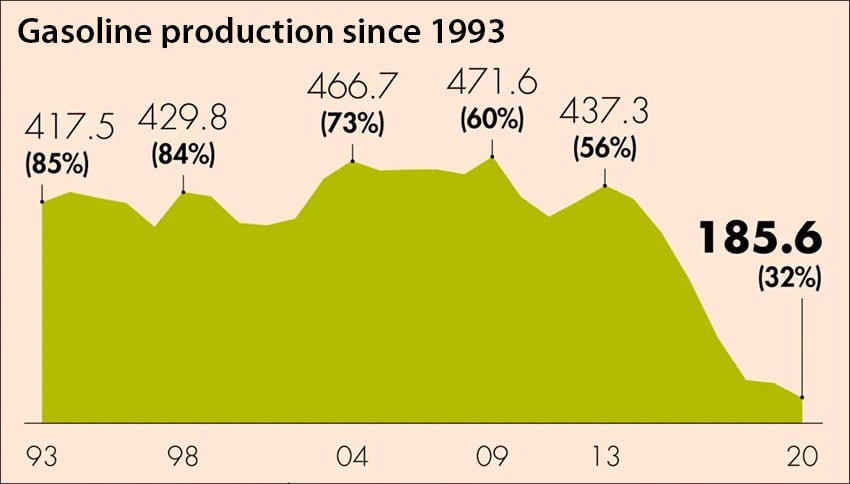
Gasoline production levels were also disappointing last year. The six refineries produced an average of 185,600 bpd of gasoline, a 9% decline compared to 2019. That daily quantity of gasoline was the lowest average level since 1992 and only met 32.4% of national demand, meaning that Mexico remained heavily dependent on imports.

(Domestic gasoline production as a percentage of demand actually increased 4% in 2020 but that was a by-product of decreased overall demand for fuel due to the coronavirus pandemic. Gasoline sales fell last year to levels not seen since 2002.)

In the 1990s, Mexico was producing enough gasoline to meet more than 80% of national demand but production as a proportion of demand fell to 73% in 2004, 60% in 2009 and 56% in 2013. During the 2012-2018 presidency of Enrique Peña Nieto, gasoline production declined significantly and has not recovered since President López Obrador took office despite his promise to “rescue” the state oil company.

Diesel production at the six refineries also fell last year, declining 13% compared to 2019 levels to an average of 113,600 bpd.

In 2020, budget cuts affected the operation of the refineries, El Universal said. The newspaper also said that Pemex’s Industrial Transformation division used just 47.9% of the 69.5 billion pesos (US $3.4 billion) allocated to it.

President López Obrador last year pledged that Mexico would be self-sufficient in gasoline by 2023 through the rehabilitation of Mexico’s six existing refineries and the construction of the new one on the Tabasco coast. In early 2021, that goal looks extremely ambitious at best.

Source: Reforma (sp), El Universal (sp), El Economista (sp) 

Goodbye, Chester. Cheetos has new look as rules ban use of personalities

0
Mexico says adiós to Chester.

Chester the Cheetah bids his final adiós to Mexico this week.

The cartoon cheetah that has symbolized the Cheetos snack on its packaging and in TV commercials since the mid-1980s will no longer appear on packaging in Mexico, in compliance with a law passed in 2018 aimed at informing consumers about unhealthy foods and beverages and restricting how such items are marketed toward children.

In October 2018, when the regulations were passed, Katia Yetzani García of the nonprofit El Poder del Consumidor said they were based on the Pan American Health Organization’s statement that such marketing toward children takes advantage of their inexperience with advertising.

The secretary-general of the Organization for Economic Co-operation and Development, Angel Gurría, said last year that “the incidence of overweight and obesity among the Mexican population has reached alarming levels,” with about 73% of Mexicans considered overweight. Childhood obesity, he said, has doubled from 7.5% in 1996 to 15% in 2016.

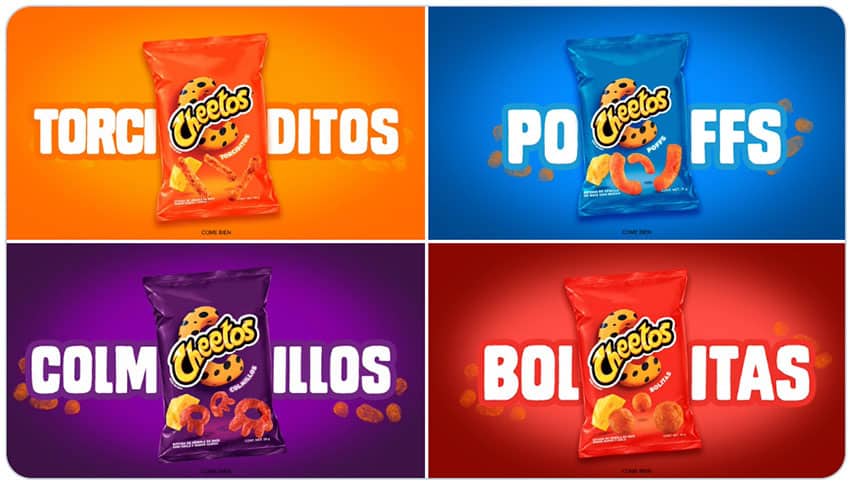
Chester is being replaced on Cheetos packages with a more generic letter “C” that nevertheless incorporates elements of the character that will be reminiscent to those familiar with it.

Cheetos' new look.
Cheetos’ new look.

The law banning Chester and other cartoon characters began taking effect last October when the packaging of food and beverage items high in sugar, salt, fats or calories started displaying uniform seals in large, striking black-and-white lettering announcing that they contained excessive levels.

The upcoming ban — on cartoon characters, drawings, and celebrity images on packaging — applies to foods and beverages that qualify for at least one of these government seals. It does not become obligatory for manufacturers until April, when other famous characters like Tony the Tiger — and Mexican packaging cartoon superstars like Rey Carlos V (a candy bar image), Melvin the Elephant (Choco-Krispies), and the gansito (a goose character featured on a popular snack cake packaging) will also disappear from Mexico’s store shelves.

Mexico is not the first country in Latin America to get rid of cartoon mascots on unhealthy foods. Chile passed a similar law in 2015 against the packaging or advertising of foods high in calories, fat, salt, or sugar that uses “hooks” directed at minors under 14. As a result, most cereals and other “junk foods” in the country have packaging free of such imagery.

Chester Cheetah was created for an ad agency in the United States in 1986 by Brad Morgan, whose voice was briefly featured in the original U.S. animated commercials. A Saturday morning cartoon around the character planned by the Fox network in the 1990s, Yo, It’s the Chester Cheetah Show, was scrapped after groups like the Action for Children’s Television raised strong objections to it as an insidious marketing tool directed at children.

Source: El Universal (sp)