Home Blog Page 1498

‘New normal’ coming to Mexico’s beaches with new rules

0
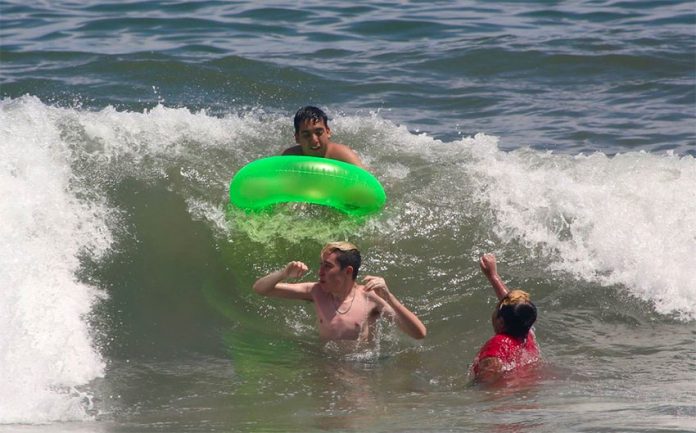
Under new beach rules, they're too close for comfort.

A “new normal” is coming soon to Mexico’s beaches courtesy of the coronavirus pandemic.

By next week at the latest, federal authorities will publish new rules on the use of beaches aimed at reducing the risk of the coronavirus spreading among people enjoying the sand and surf along Mexico’s extensive coastline.

State and municipal governments will be required to enforce the rules for the foreseeable future regardless of the local coronavirus situation.

The director of Zofematac, the federal office of maritime land zones and coastal environments, told the newspaper Milenio that a new beach use agreement will be published shortly.

Rodrigo Hernández Aguilar said the emphasis will be on social distancing among beachgoers – people shouldn’t come within four meters of others while on the sand or in the water.

He said people will not be required to wear face masks while they’re on the sand or in the water but they will have to wear them at beach entry points and in any common areas such as public washrooms.

“The use of face masks is mandated to arrive at the beach because there could be crowds when you’re entering the beach, you might be leaving a hotel where there are people or traveling on public transit. That’s why you use [a face mask] when you arrive and go onto the beach and also when you leave. Once you’re on the beach you don’t need to use it,” Hernández said.

He said that authorities decided not to make face masks mandatory on beaches because there is scientific evidence that salty water, sunlight and high temperatures “are favorable for the inactivation of pathogenic agents.”

The new beach rules will establish a limit of 40 people per 1,000 square meters of beach space. On beaches that are part of hotel precincts, staff will be required to disinfect hammocks and deck chairs after beachgoers vacate them, Hernández said.

Beachgoers will be required to place towels over the latter before they use them, he added.

Hernández said that all group recreational and sporting activities will be banned on beaches and that only 15 people will be allowed in the water at the same time. People should visit the beach on their own, with their partner or in small family units, not large groups, he said.

The Zofematac chief also said that under the new agreement, municipal governments will be able to take bookings from people who wish to go to the beach. Hernández added that beachgoers who flout the new regulations could be fined or even arrested.

To draw up the new rules, authorities looked at what their counterparts in four European countries have done, he said.

“We gave ourselves the task of studying what France, Spain, Italy and Greece did, which were the most advanced [countries] … in separating [people on] beaches.”

Source: Milenio (sp) 
Saturated hospitals trigger tougher measures in Yucatán

0
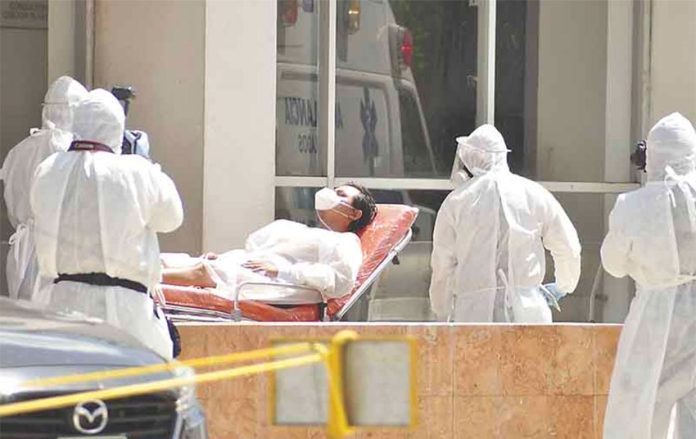
Coronavirus case numbers are putting pressure on hospitals.

With hospital beds filling up due to the rising number of confirmed coronavirus cases, Yucatán Governor Mauricio Vila Dosal announced a return to coronavirus restrictions yesterday to help prevent the spread of the disease and avoid a collapse of the state’s health care system.

As of Tuesday night, the dry law has been reinstated and the sale of alcohol is banned throughout Yucatán. 

Beginning Thursday, residents are asked to stay off the roads from 10:30 p.m. until 5 a.m. In coastal communities, the curfew will take effect at 9 p.m.

Non-essential businesses must close by 6 p.m. Monday through Friday and are not permitted to open on the weekends.

Restaurants are required to close at 10 p.m. and can only offer take-out and delivery meals on Saturdays and Sundays. 

Marinas have been closed and recreational boating is prohibited.

More restrictions may be put in place if coronavirus numbers don’t show improvement, the governor warned. “We do not rule out additional measures in the coming days.”

The number of patients with the coronavirus is straining hospitals to the breaking point, and two temporary hospitals have been set up. 

One is located in the Mérida convention center with 490 beds, and a 100-bed hospital has been erected on land belonging to the general hospital in Valladolid. The governor is asking 3,000 health workers deemed to be at high risk for the coronavirus due to preexisting conditions to return to work. 

Vila warned that by setting up the provisional hospitals, reserves are simply running out.

“The launch of these two temporary hospitals means that we are already using our strategic reserve of beds and equipment planned with due anticipation in the face of the coronavirus contingency,” he said.

“It will not be possible to enable more beds since Yucatán medical personnel are already working practically in their entirety,” he warned, calling on citizens to take the pandemic seriously.

“Many have confused economic reactivation with the reactivation of their social life. If at this time social life is not minimized, we will be forced to close all non-essential businesses and everyone will return to quarantine in their homes,” he cautioned.

“This is a very important moment in the evolution of the contingency because it tests our social and individual responsibility. Acting irresponsibly can have deadly consequences.” 

As of Tuesday, Yucatán had 6,584 confirmed cases of the coronavirus and had seen 604 deaths.

Source: Reforma (sp), Diario de Yucatán (sp)

Angry relatives go after Michoacán doctor after patient dies

0
Salvador Jasso relates the story of the attack.

A young orthodontist in Paracho, Michoacán, was beaten and forced to flee his home on Monday after being attacked by a group of men who believed his father, a doctor, had caused the death of a man believed to have been infected with the coronavirus. 

In a video making the rounds on social media, Salvador Jasso, a recent dental school graduate, detailed the events that forced him and his family to leave their home in the town of Ahuirán. 

In the video, filmed while the visibly upset and bruised young man was driving, Jasso narrates what took place. “Today we are fleeing from Paracho. They beat us, and we had to see how such a noble profession of being a doctor has become a crime in this fucking country,” Jasso said. 

Fifteen to 20 hooded men came to his door demanding to see his father. Jasso told the men, who he says appeared drunk, that his father was not home and would be back in 40 minutes. 

“As I see that they are beginning to get aggressive, I close the door. They pull me, they start hitting me, they literally kidnapped me, they wanted to kidnap me and wouldn’t let me go until Dr. Jasso arrived,” he said.

Earlier that morning his father had treated a patient with low blood oxygen levels who was suffering from atypical pneumonia. Jasso’s father injected the patient with dexamethasone, a corticosteroid meant to reduce pulmonary inflammation, and sent him to the hospital. Shortly thereafter, the man died and his family and friends were enraged. “… my father supposedly injected him with something to make him die,” Jasso said.

Michoacán Government Secretary Carlos Herrera Tello said the state Attorney General’s Office is investigating and that those responsible for attacking Jasso will not go unpunished. Until then, he offered the family protection from future attacks.

“In no way are we going to allow that violence to occur,” Herrera said. “The investigation is underway, and I am sure that very soon there will be clarity, and we will find those responsible …”

“My father puts himself at risk and puts his family at risk just to exercise his profession and look at what has happened to us,” Jasso said. “You tell me if this isn’t a really stupid act by ignorant people,” he added, touching the wounds to his face.

Source: El Universal (sp), Excélsior (sp)

Border travel restrictions may be extended to August 21

0

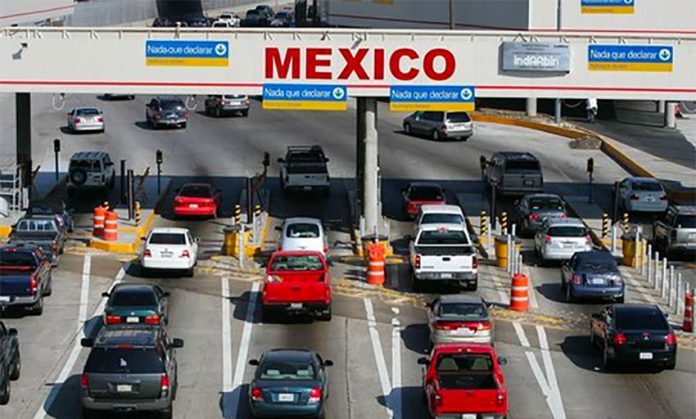
Mexico’s Ministry of Foreign Affairs announced that it has proposed extending restrictions on non-essential travel between Mexico and the United States until August 21.

The restrictions, which apply to the land border only and do not affect air travel between the countries, have been in force for nearly four months.

On its official Twitter page, the Foreign Ministry proposed that “the restrictions will remain in the same terms in which they have been developed since their implementation on March 21. Both countries will continue to seek to coordinate health measures in the border region.”

The United States has yet to announce an extension of border restrictions; the decision lies in the hands of officials from the Centers for Disease Control and Prevention (CDC).

People who have temporary work visas, emergency personnel, students, government officials, flight crews and those involved in cross-border trade are still allowed entry under the terms of the current restrictions. Travel for leisure, tourism or recreation is prohibited.

According to the most recent data available, the border states of California, Arizona, New Mexico and Texas have a combined total of 764,996 confirmed cases of the coronavirus. On the south side of the border, the Mexican states of Baja California, Sonora, Chihuahua, Coahuila, Nuevo León and Tamaulipas have a total of 55,083 cases.

On July 2, United States Ambassador Christopher Landau asked U.S. citizens to respect the restrictions put in place. 

“Attention U.S. citizens on both sides of the U.S.-Mexico border! We’re still in the midst of a pandemic, but hundreds of thousands of people PER DAY are crossing the land border — and fully 90% are U.S. citizens or green card holders,” he posted to Twitter. “Whichever side of the border you live on, this is NOT the time to cross to shop, eat, or visit family on the other side. Only ‘essential’ travel is permitted over the land border.”

Source: La Jornada (sp)

6-year-old in serious condition after crocodile attack in Ixtapa

0
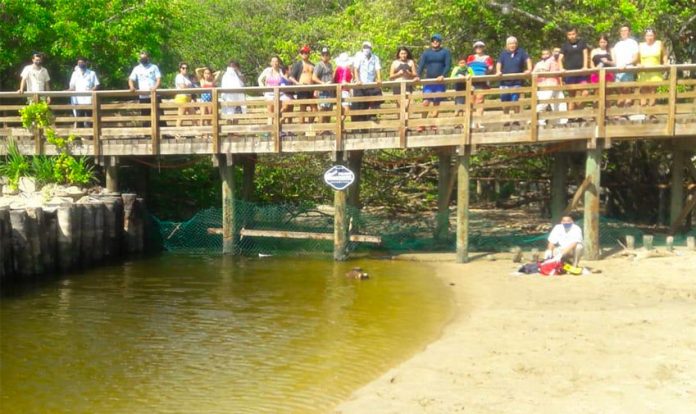
Scene of the crocodile attack in Ixtapa.

A six-year-old boy was attacked by a crocodile in Ixtapa, Guerrero, on Tuesday afternoon and is in serious condition at a local hospital, authorities say. 

The boy and his sister were playing near El Palmar beach when they wandered away from their parents and began exploring an estuary, home to numerous crocodiles that hotel staff routinely feed to entertain tourists. 

Witnesses say that as the boy played near a fenced-off area under a bridge, a female crocodile with young grabbed him by the head, dragged him into the water and tried to drown him for approximately 10 minutes, biting him in the head, arms, chest and legs.

Tourists, a hotel lifeguard and parachutists threw stones at the three-meter-long crocodile, which eventually released the boy. 

While being transferred by ambulance to hospital the child drifted in and out of consciousness, and had to be intubated upon arrival due to the severity of his injuries. 

Source: ABC de Zihuatanejo (sp), El Sol de Acapulco (sp)

New coronavirus cases exceed 7,000 in one day for the second time

0
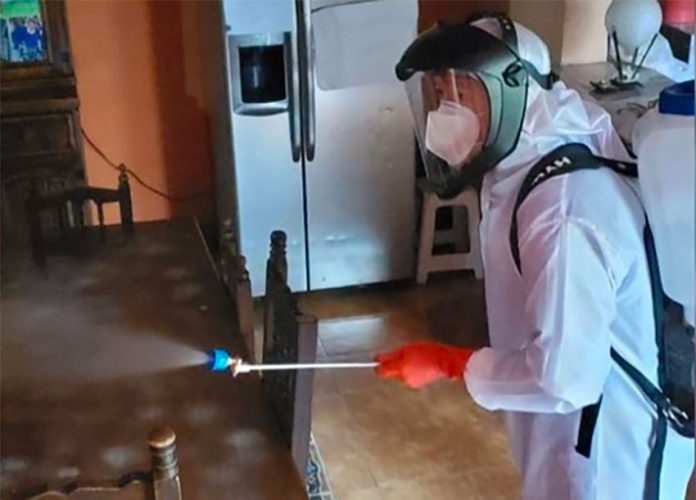
A home in which occupants were diagnosed with Covid-19 is disinfected in Xochimilco, Mexico City.

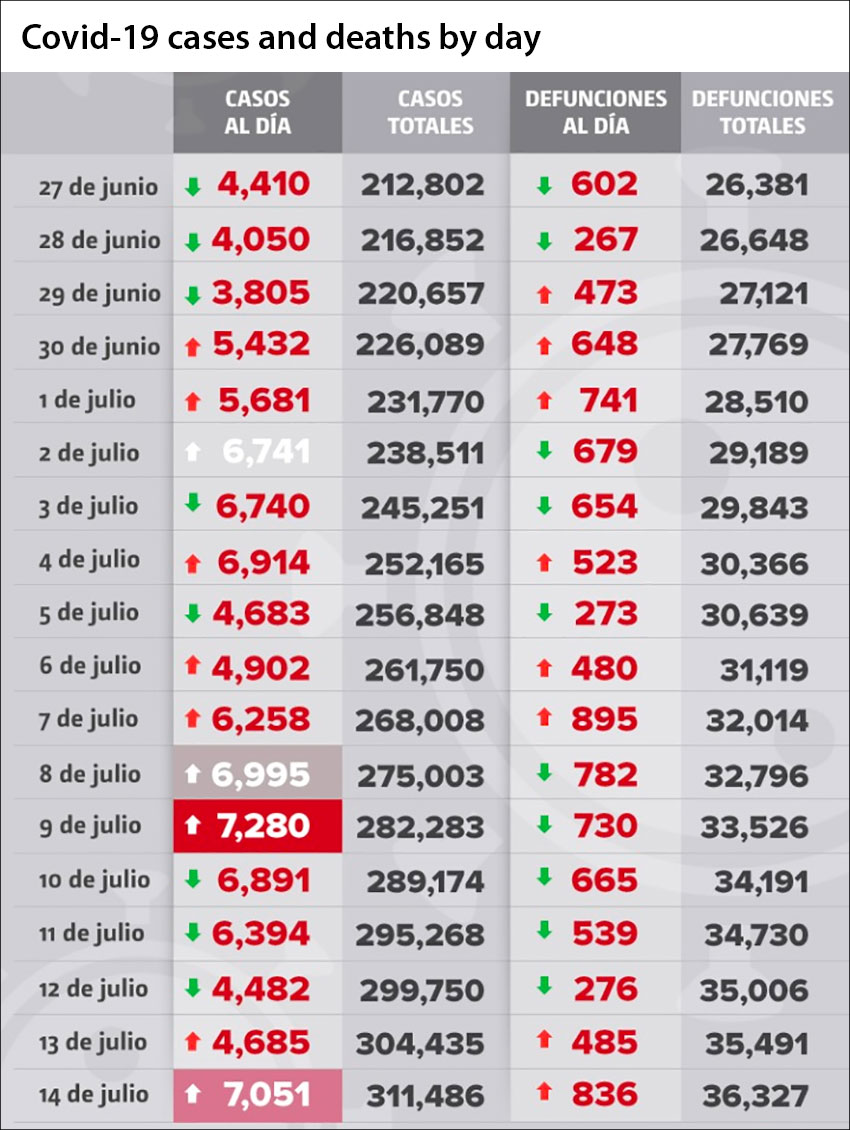
More than 7,000 new coronavirus cases were reported on a single day for just the second time on Tuesday, lifting Mexico’s accumulated case tally above 310,000.

The federal Health Ministry reported that the case tally had increased to 311,486 with 7,051 additional cases registered. The latter figure is 229 fewer than the single day record of  7,280 cases reported last Thursday.

The Health Ministry also reported that Mexico’s Covid-19 death toll had increased to 36,327 with 836 additional fatalities. The number of deaths reported Tuesday was the fifth highest single-day total since the beginning of the pandemic.

Mexico currently has the seventh highest coronavirus case tally in the world, according to data compiled by Johns Hopkins University, and the fourth highest death toll behind only the United States, Brazil and the United Kingdom.

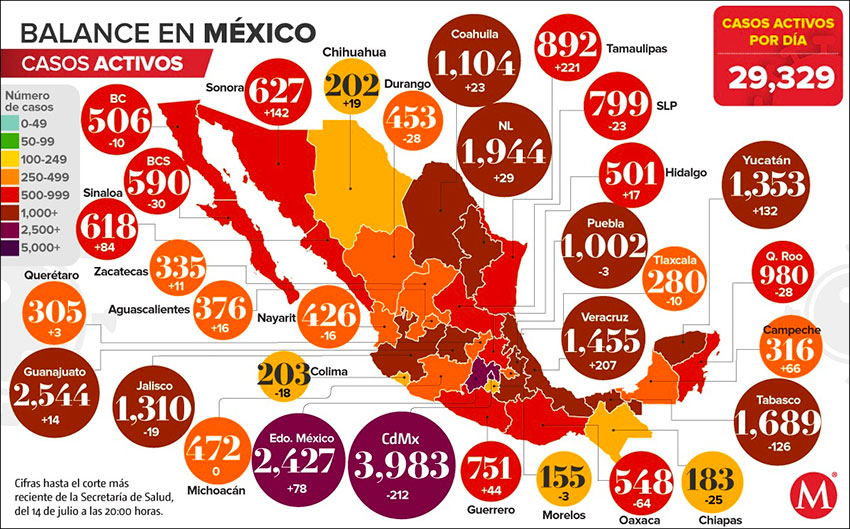
Of the confirmed cases, 29,329 are considered active, an increase of 486 cases compared to Monday. There are also 80,721 suspected cases across the country, meaning the results of that number of Covid-19 tests are not yet known.

Active coronavirus cases as of Tuesday.
Active coronavirus cases as of Tuesday. milenio

Based on past positivity rates, the Health Ministry estimates that Mexico’s accumulated case tally is 349,893 and that active cases total 49,467, figures 12% and 69% higher, respectively, than the official numbers.

Mexico City has the highest number of accumulated cases among Mexico’s 32 states, with 58,855, followed by México state, where 43,544 people have tested positive. Tabasco, Puebla and Veracruz have the third, fourth and fifth highest case tallies, respectively.

Mexico City also leads the country for active cases, with 3,983, followed by Guanajuato and México state, where 2,544 and 2,427 people tested positive after developing coronavirus symptoms in the past 14 days.

Seven other states currently have more than 1,000 active cases. They are Nuevo León, Tabasco, Veracruz, Yucatán, Jalisco, Coahuila and Puebla.

Ten states have recorded more than 1,000 Covid-19 deaths since the start of the pandemic. They are Mexico City, 7,817; México state, 5,378; Baja California, 2,296; Veracruz, 2026; Puebla, 1,837; Sinaloa, 1,689; Tabasco, 1,455; Sonora, 1,170; Guerrero, 1,108; and Jalisco, 1,084.

At Tuesday night’s coronavirus press briefing, Deputy Health Minister Hugo López-Gatell focused on data about the coronavirus situation in three states: Aguascalientes, Colima and Jalisco.

The daily tally of coronavirus cases and deaths.
The daily tally of coronavirus cases and deaths. Deaths are numbers reported and not necessarily those that occurred each day. milenio

He said that cases numbers steadily increased in Aguascalientes from the start of the national social distancing initiative at the end of March until “epidemiological week 23,” which ran from May 31 to June 6. Case numbers have since stabilized in the small Bajío region state, López-Gatell said.

Aguascalientes has recorded 3,052 confirmed Covid-19 cases since the start of the pandemic, of which 376 are currently active, and 193 deaths. Just over a quarter of general care hospital beds set aside for coronavirus patients are currently occupied, while 29% of those with ventilators are in use.

López-Gatell said that the epidemic in Colima is currently in a growth phase, noting that the virus began spreading there later than most other states. The small Pacific coast state has recorded 939 confirmed Covid-19 cases, of which 203 are active, and 115 deaths.

Colima has the second lowest Covid-19 death toll in the country behind only Baja California Sur. The state has a 50% occupancy rate for general care hospital beds and a 39% rate for critical care ones.

Like Aguascalientes, case numbers in Jalisco have stabilized since week 23 of the epidemic, López-Gatell said. However, the virus is still in a growth phase in Guadalajara, the state’s capital and largest city, and Puerto Vallarta, Jalisco’s most popular tourist destination.

The state has recorded 9,511 cases, of which 1,310 are active, and 1,084 deaths. Hospital occupancy rates in the state are 25% for general care beds and 27% for those with ventilators.

Across Mexico, 13,272 of 29,663 general care beds are in use for an occupancy rate of 45%, while 3,751 of 9,659 beds with ventilators are in use, yielding an occupancy rate of 39%.

Source: El Universal (sp), Milenio (sp) 

AMLO is doubling down on failed bets in Mexico

0
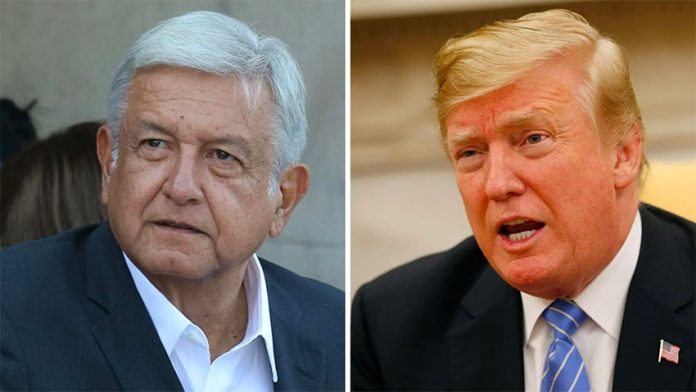
AMLO and Trump: celebrating renewal of the NAFTA bet.

When Mexico President López Obrador met U.S. President Donald Trump in Washington last week, politics and bilateral relations were inevitably in the spotlight. Yet the underlying purpose of the visit was economic: to celebrate the signing of the U.S.-Mexico-Canada agreement on trade — essentially a renewed North American Free Trade Agreement (only under a new name, comme il faut).

This trade arrangement represents one of two strategic “bets” that Mexico first made almost 30 years ago and which, jointly considered, have failed. For all his talk of national renewal and historic transformation, they will fail under López Obrador too.

Consider these bets in turn. The first was Mexico’s dramatic decision in the mid-1990s to end decades of protectionism and integrate into the world economy. Its centrepiece was NAFTA, an ambitious treaty covering trade, investment, dispute settlement and other provisions meant to provide long-term certainty about the rules of the game.

In some ways, the bet was a spectacular success. Today, Mexico exports more manufactured goods than the rest of Latin America combined. However, this did not translate into faster growth. Over the last two and a half decades, per capita growth averaged less than 1% a year, far from what is required to build a prosperous society. It is one of the reasons why López Obrador swept to electoral victory in 2018.

Why did this bet fail, though? Poor macroeconomic management was not to blame. Nor was insufficient human capital or low investment; here the country’s performance is around regional averages. Mexico grew slowly because productivity stagnated — in large part due to its second bet.

This bet was placed alongside NAFTA and its aim was to reduce poverty and inequality. This would be done by leaving intact Mexico’s outdated and dysfunctional tax, labour and social insurance regulations, as well as its institutions for contract enforcement. Instead, social inclusion would be pursued through an ad hoc combination of additional pension, health, childcare, housing and poverty programs.

The idea was that this would allow the fruits of faster growth to be shared more equally. But faster growth never came.

Why? Think of the Mexican economy as being pulled in two opposite directions. On one side, NAFTA and investments in human capital worked to increase productivity. On the other side, complex labour, tax, and social insurance regulations, coupled with weak contract enforcement, worked towards lower productivity. Somewhat like Penelope in Homer’s “Odyssey”, this unknitted during the night what the first knitted during the day.

López Obrador has, in essence, made these two bets again. He has just celebrated with Trump the renewal of the first NAFTA bet. Since the beginning of his administration, he has continued with the second bet too.

Mexico’s dysfunctional tax, labour and social insurance institutions and regulations are still there, as are the well-known deficiencies of its judicial system. Social inclusion is meanwhile pursued, yet again, through ad hoc combinations of programs: some new, some old with new names (again, comme iI faut).

Moreover, the context in which these two bets are being made is more complex than ever.

The López Obrador administration has made a number of controversial decisions on the energy sector. It has also embarked on some highly visible and questionable investment projects, including a tourist train to circumnavigate the Mayan region of southern Mexico. These have increased business sector uncertainty and damped private investment, bringing to a halt the little growth that there was.

Furthermore, the absence of a countercyclical response to Covid-19 has deepened the inevitable recession. Associating such policies with corporate bailouts, and loath to take on public debt, López Obrador has instead insisted on relative fiscal inaction — unlike governments elsewhere. 

Understandably, this has attracted a lot of attention and no little criticism. But that should not distract from the more important fact that the bets Mexico is making under López Obrador are the same as before. They did not work when conditions were more favourable. Sadly, there is no reason why they will work now.

The writer, a former Mexican deputy finance minister, is a senior fellow with the Brookings Institution.

© 2020 The Financial Times Ltd. All rights reserved. Please do not copy and paste FT articles and redistribute by email or post to the web.

Former ambassadors warn of unwelcoming signs for investors

0
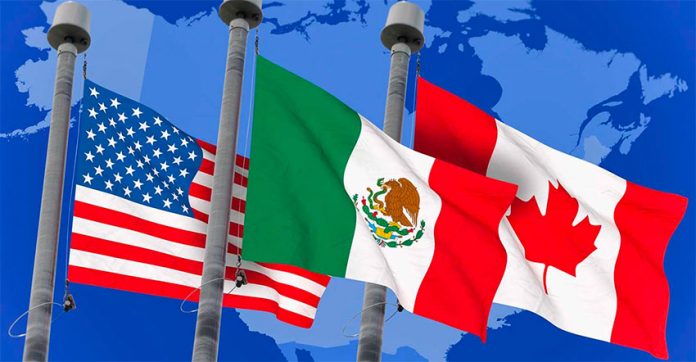
usmca

Mexico needs to do more to create a welcoming environment for foreign investors, three former ambassadors said Monday.

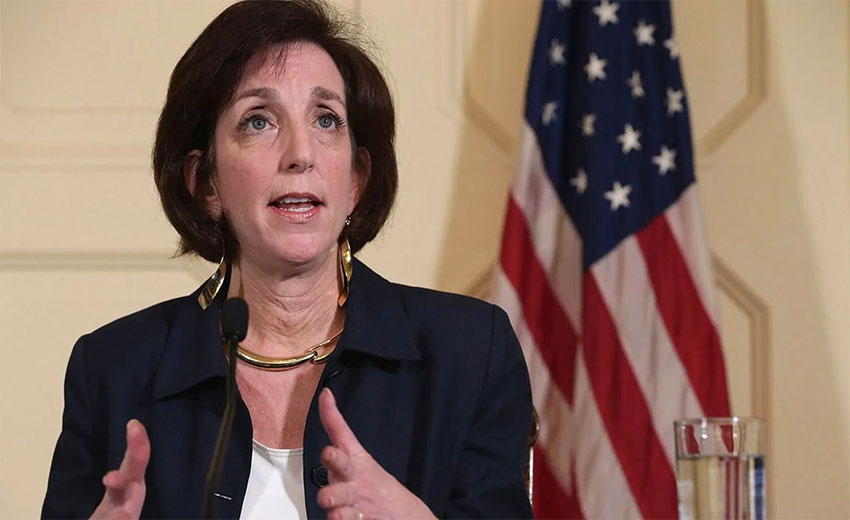
Speaking during a virtual forum on the future of North America beyond the coronavirus pandemic and the ratification of the new free trade pact between Mexico, the United States and Canada, former U.S. ambassador to Mexico Roberta Jacobson said the Mexican government is failing to demonstrate that it really welcomes foreign investment.

Jacobson, ambassador between 2016 and 2018, said that Mexico needs to establish a level playing field on which foreign investors and their capital are not unfairly disadvantaged.

She said that she receives telephone calls on a daily basis from business people in the United States who complain about a “capricious and dark” business environment in Mexico.

“This is something that is very serious for the [foreign] companies that are already in Mexico,” Jacobson said.

Former ambassador Jacobson.
Former ambassador Jacobson: a ‘capricious and dark business environment’ in Mexico.

“I don’t know how many companies haven’t invested in Mexico [due to the unfavorable business environment], it’s a cost … that can’t be measured.”

The former ambassador said that Mexico still has an opportunity to attract more foreign investors but warned that they could choose to go elsewhere if investment rules remain unclear and subject to sudden change, and the legal system and security situation don’t improve.

Jacobson’s remarks came two weeks after her successor, Ambassador Christopher Landau, said that it’s not a good time to invest in Mexico. Specifically citing recent changes to energy policy, Landau said that the federal government failed to keep its pledge not to change investment rules that were in place when it took office in late 2018.

The “uncertainty” created by the government could be a barrier to increased investment, he said.

Speaking at yesterday’s forum, former Canadian ambassador Pierre Alarie expressed a similar sentiment, asserting that clear rules and a stable political environment are paramount to attracting foreign investment.

Alari, ambassador between 2015 and 2019, said it is incorrect to think that the new United States-Mexico-Canada Agreement, or USMCA, can fix the situation and that foreign investment will automatically flow into Mexico.

Former Canadian ambassador Alarie.
Former Canadian ambassador Alarie: clear rules and stable political environment are necessary.

The USMCA isn’t a “panacea” and thinking that it is “would be to fall into a very big trap,” he said. “The political position, political openness [to foreign investment] is very important in any country.”

During the same forum, former Mexican ambassador to the United States Gerónimo Gutiérrez also said that the accord will be insufficient to attract foreign investment while there is still uncertainty.

“You have to do the work, investment won’t arrive on its own,” he said, adding that investment in infrastructure will help to attract foreign investors.

“Foreign companies make a checklist,” Gutiérrez said, explaining that they look at whether electricity and water is available at competitive prices in a country where they are considering investing and whether there are reliable communication systems.

He also said that they look at the capacity of ports while considering how they will bring supplies into the country. Having good infrastructure is “fundamental” to attracting investment, Gutiérrez said.

President López Obrador says that he welcomes foreign investment – and traveled to Washington D.C. last week to celebrate the entry into force of the USMCA alongside United States President Donald Trump – but some policies enacted by his government have made it harder for foreign companies to enter into and operate in some sectors of the Mexican economy, especially the electricity and oil industries.

Source: El Financiero (sp) 

Mexicans design transparent face mask that costs under 50 pesos

0
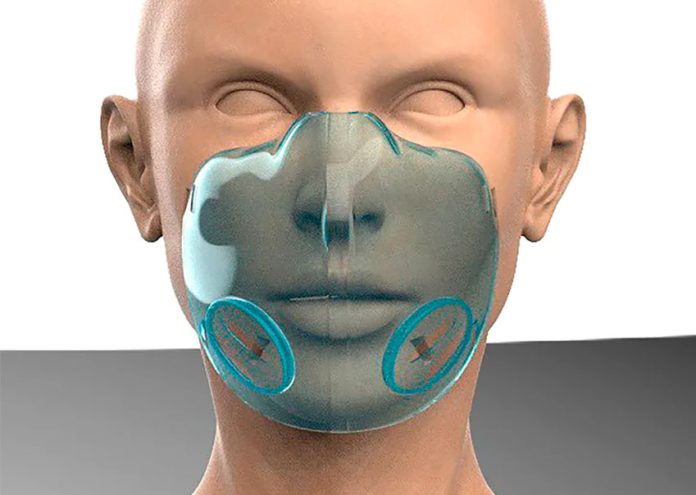
The new mask under development in Guadalajara.

Student ingenuity may soon result in Mexico producing an innovative, widely available protective face mask that shields the wearer from Covid-19 and other infectious germs, is ergonomic, reusable, and best of all costs under 50 pesos.

A team of Mexican student designers at the Jesuit University of Guadalajara have produced schematics for a transparent mask that they say will not only be safe but environmentally sustainable and socially responsible. According to Miguel Huerta, a researcher at the institution who is the student team’s leader, they are seeking to contract with manufacturers who can produce the mask for a retail price of under 50 pesos.

Huerta’s Twitter account recently posted the mask’s schematics, developed by students Michelle González and Paulina Ramírez, which showed how the final design could be secured to the face using two adjustable bands.

The mask is still in the development stage but it promises to have a reusable protector to be made with recycled materials — the team is exploring using PET plastic and silicon as possible materials, to have anti-humidity and anti-fogging features and, best of all, to guard the wearer as safely as would an N95 mask, a product that meets United States air filtration standards.

In an interview with Vogue México, Huerta said the university would administer the patent process and sign contracts with manufacturers to begin producing the mask in the coming months.

The mask has similar features to the widely publicized Leaf product, currently being crowdfunded on the Indiegogo.com website. Both will be made of clear plastic, will be reusable, and will have a higher degree of protection for wearers than the surgical and homemade masks that many people now use.

However, the Mexican team’s product will not have the same level of protection as promised by Leaf masks, which are expected to provide protection analogous to an N99 mask along with automatic sanitization features using UV light.

Creators González and Ramírez told Vogue that their mask will not only create jobs but protect the environment since it will be reusable. That may be a big factor in its favor given that disposable masks and latex gloves are ending up on some beaches and in municipal sewer systems.

A typical hospital worker in a Covid-19 infectious environment may have to change protective gear as many as 16 times a day, according to a National Autonomous University researcher.

The mask’s creators also believe their invention will also serve an important social purpose, allowing wearers to communicate with others more effectively, since it will allow others to see their facial expressions better than under a cloth or paper mask that obscures the nose and mouth.

Sources: Vogue México (sp)

Employment/tree-planting program bears little fruit in first year

0
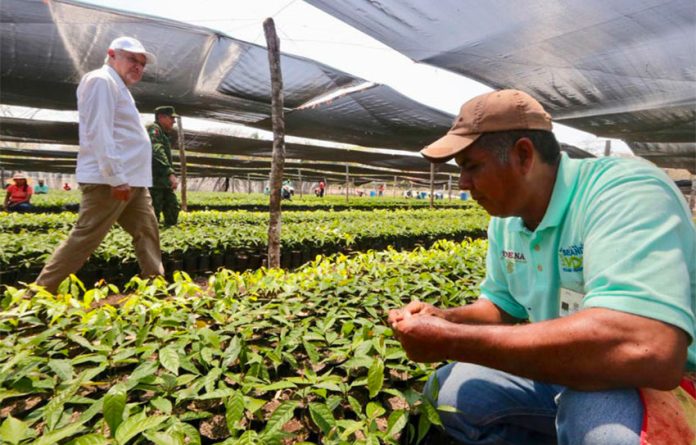
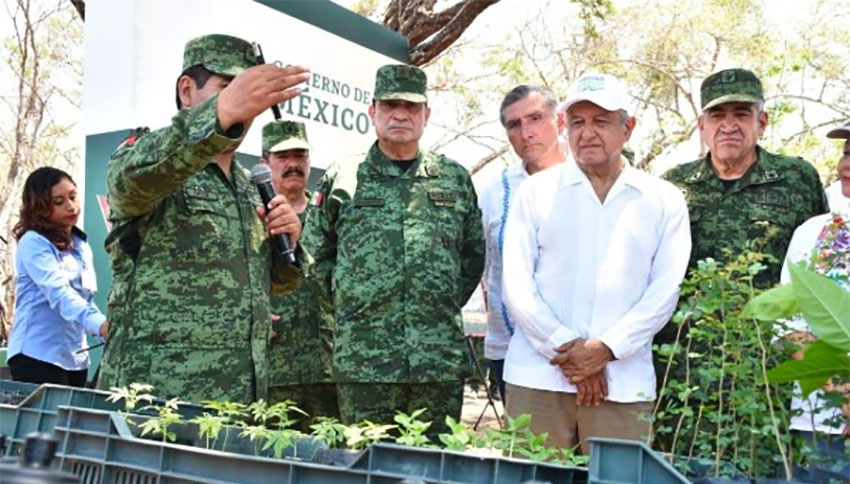
President López Obrador tours a military tree nursery in Tabasco.
President López Obrador tours a military tree nursery in Tabasco. The military failed to deliver anywhere near the required number of trees last year.

Only half of 80 million timber-yielding and fruit trees planted during the first year of the federal government’s reforestation/employment program have survived, according to a report by the newspaper Reforma.

The government’s original aim was to have participants in the Sembrando Vida (Sowing Life) scheme plant 575 million trees in 2019.

But Welfare Minister María Luisa Albores, who is responsible for the program, said that only 80 million trees, 14% of the target, were actually planted.

Of that number, only half survived, Reforma said in a report published Tuesday. That means that only 40 million trees, or 7% of the total number that were supposed to be planted in 2019, are still alive.

An investigative report published in early June said the government’s tree-planting program is riddled with corruption and operational flaws.

Military experts discuss tree propagation with the president.

Many of the identified flaws likely had a direct impact on a young tree’s ability to survive. They include the late distribution of saplings after the conclusion of the rainy season, a lack of water for irrigation, the provision of dead saplings, a shortage of supplies and tools and forcing program participants to plant on drought-stricken land.

Reforma said that a lack of supervision of participants and the payment of their monthly wages in advance were also factors in the low survival rate of newly-planted trees.

For its part, the government’s social development agency, Coneval, found that the Sembrando Vida program hasn’t followed a schedule in tune with agricultural cycles that would give young trees the best chance for survival.

Another operational flaw of the scheme is that the army, tasked with growing saplings at military nurseries, failed to supply the number of young trees expected of it last year. That was one factor that contributed to the program falling well short of its target.

“We made an agreement with 12 military nurseries for the production of 100 million plants in 2019. Then they told us there would be a reduction to 80 million. … [The] reality is that they delivered 37 million,” Albores said.

A researcher at the Chapingo Autonomous University in México state, which specializes in agriculture and forestry education, said the the target of planting hundreds of millions of trees in the space of a year was doomed to fail.

“Mexico has never had the capacity to produce the millions of plants the program promises,” Jorge Antonio Torres said.

Eraclio Rodríguez, a federal deputy with the Labor Party, said there are also question marks over how funds allocated to the Sembrando Vida program have been used.

“There is a lot of discretion in the application of the resources and to date they haven’t made the full register of beneficiaries public. We’ve asked for it but we’re never given information,” he said.

The president of the Mexican Network of Forestry Farming Organizations said last month that there is a lack of clarity with respect to how Sembrando Vida participants are selected. Gustavo Sánchez suggested that some of the participants – who are paid 5,000 pesos (US $220) a month – were selected by the government in exchange for support at the ballot box in upcoming elections.

Source: Reforma (sp)