Home Blog Page 873

Jailed ex-attorney general Murillo Karam now under investigation for financial corruption

0
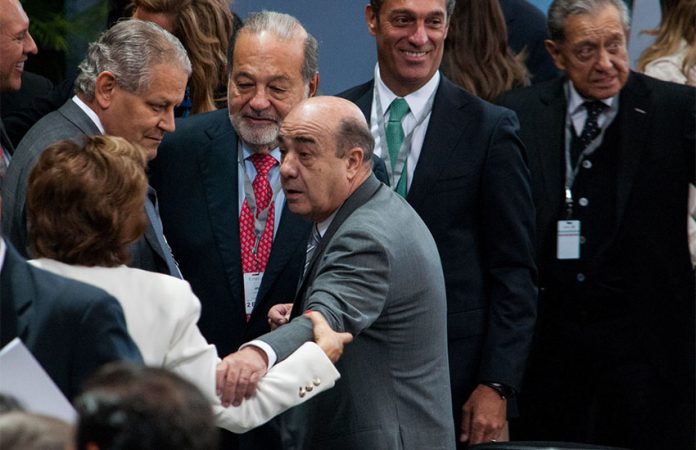
Ex attorney general of Mexico, Jesus Murillo Karam, center foreground
Former attorney general Jesús Murillo Karam, foreground center, at former president Enrique Peña Nieto's state of the union address in 2017. DIEGO SIMÓN SÁNCHEZ/Cuartoscuro

The federal government’s Financial Intelligence Unit (UIF) announced Tuesday that it has filed a corruption complaint against former attorney general Jesús Murillo Karam, who is currently in prison on charges related to the disappearance and presumed murder of 43 students in Guerrero in 2014.

The UIF said in a statement that it filed a complaint with the federal Attorney General’s Office (FGR) in which it accuses Murillo of carrying out operations with resources of illicit origin.

The complaint stems from a UIF investigation into “politically exposed Mexican persons” mentioned in the Pandora Papers, a massive trove of leaked data exposing tax haven secrecy.

The UIF said that it had determined that Murillo – attorney general during the first two years of the 2012-18 government led by former president Enrique Peña Nieto – “is possibly related to a scheme of operations with resources of illicit origin” because a “family company” in which his children, nephew and son-in-law are partners benefited from federal government contracts when he was in office.
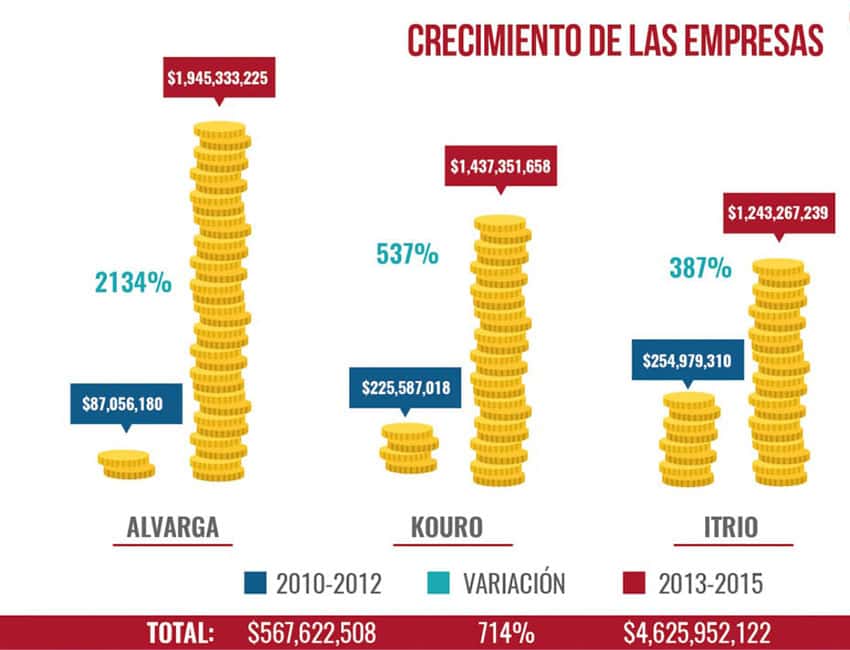
graphic on illicit gains of mexico's ex-attorney general by Mexicans Against Corruption and Impunity
The NGO Mexicans Against Corruption and Impunity was already accusing Murillo of illicit gain in 2016. This graphic shows how Murillo’s three construction companies (names in gray) had a 714% growth in earnings during the period in which he was Mexico’s attorney general. MCCI

It said that the Ministry of Communications and Transport awarded the company contracts between 2013 and 2015, a period when the son of then communications and transport minister, Gerardo Ruiz Esparza, was Murillo’s secretary.

“It was possibly a scheme of mutual compensation in which the family company benefited from contracts [gained] through influences,” the UIF said.

According to the non-governmental organization Mexicans Against Corruption and Impunity, three construction companies owned by or closely associated with Murillo’s relatives – Alvarga, Kuoro and Itrio – were awarded contracts worth more than 4.6 billion pesos (over US $300 million at the time) while Murillo was attorney general.

The UIF didn’t name the company it referred to in its statement. However, it did say that it detected a range of “irregularities” in the way in which the company was set up and operated. It raised doubts about the addresses at which the company supposedly operated and its tax declarations, and said that it detected that it sent resources to and received resources from “simulated companies, … which could lead to possible tax fraud.”
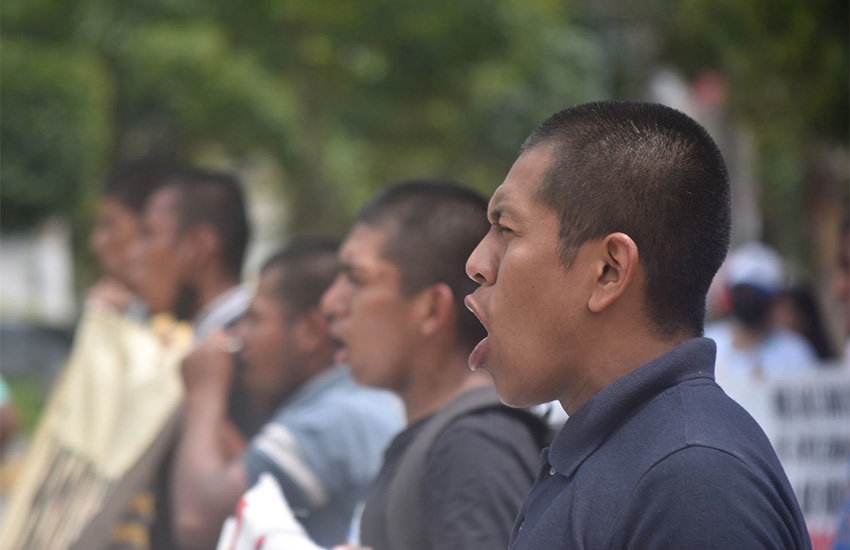
Ayotzinapa 43 case protest in Chilpancingo, Guerrero
Murillo is currently in prison, accused of covering up the kidnapping of 43 college students in Iguala, Guerrero, in 2014, an unsolved case that still draws yearly protests on the date of the students’ disappearance. Dassaev Téllez Adame/Cuartoscuro

In addition, the UIF said it detected that Murillo received a US $2.8 million return on a foreign investment in 2017 and that he deposited 26.5 million pesos (US $1.37 million at today’s exchange rate) in personal bank accounts in 2020 and 2021. The deposits weren’t declared to tax authorities, the agency added.

The UIF said it turned over its evidence against Murillo to the FGR when it filed a complaint against him on Monday. The announcement of the probe into the alleged corruption committed by the former attorney general comes almost three months after he was arrested on charges of forced disappearance, torture and obstruction of justice in connection with the abduction of the 43 Ayotzinapa Rural Teachers College students in Iguala, Guerrero, on September 26, 2014.

Murillo is considered the key architect of the previous government’s so-called “historical truth” with regard to what happened to the students, but the current government claims that he and other ex-officials fabricated that version of events.

The ex-attorney general said in January 2015 that the the students, traveling on a bus they commandeered to go to a protest in Mexico City, were intercepted by corrupt municipal police who handed them over to members of the Guerreros Unidos crime gang. The Guerreros Unidos — mistaking them for rival gangsters — killed them, burned their bodies in a dump in the municipality of Cocula and disposed of their remains in a nearby river, according to the version of events presented by Murillo.

As has long been suspected, the current government believes that the army was involved in the students’ disappearance, but the accusations set out in a recent Ayotzinapa truth commission report have not yet been tested in court.

With reports from El País 
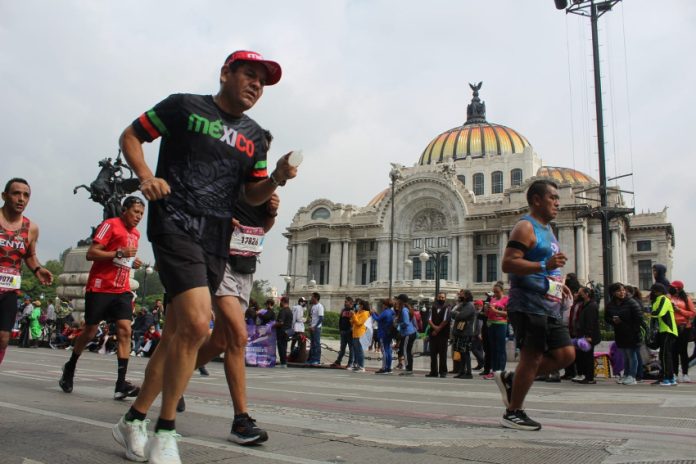
Mexico City Marathon opens registration for 2023

0
The 42-km race will take place on Aug. 27, 2023. Maratón de la Ciudad de México

The Mexico City Marathon will celebrate its 40th anniversary on Aug.27, 2023, and registrations for the event opened Thursday.

Organizers explained that registration is opening early to allow participants enough time to train and be able to complete the 42-km race, with the goal of increasing the number of finishers. The event had over 19,000 participants in 2022 and more than 20,000 are anticipated for next year.

This year the Ethiopian runner Amane Beriso Shankule won the women’s race with a time of two hours and 25 minutes  and the Kenyan runner Edwin Kiprop Kiptoo won the men’s with a time of two hours and 10 minutes. The maximum time allowed to finish the race is six hours.

The cost of registration before Dec. 31, 2022, will be 650 pesos (US $33), and starting Jan. 1, 2023,  will go up to 700 pesos (US $34). Foreign runners will have to pay US $100.

Registration will close on Wednesday, Aug. 23 and after that, registrations can only be purchased through foundations supporting the marathon at the Expo Marathon.

The Mexico City Marathon is the only race in Latin America to be listed as “elite label” by World Athletics

With reports from Milenio

Frida, Mexico’s beloved rescue dog, dies at 13 years old

0
Mexico's famous rescue dog, Frida
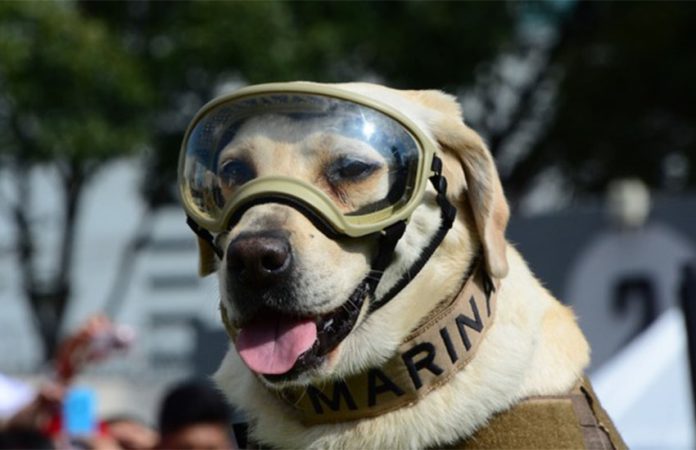
Frida the rescue dog, with her iconic doggy goggles, was a Golden Labrador whose first rescue operation at home was in 2013 at the Pemex Tower gas leak explosion in Mexico City. SEMAR

Frida, a search-and-rescue Labrador famous for locating victims after an earthquake devastated Mexico City in 2017, died of natural causes, the Ministry of the Navy (Semar) reported on Tuesday on Twitter.

“Dear Frida, although we are hurt by your departure, the Naval Family promises today to honor your memory, acting under the legacy that you taught us: ‘kindness, loyalty and love.’ Thank you for serving Mexico, you will always live in our hearts,” the Semar statement said.

Minister of the Navy Rafael Ojeda also lamented her passing on the social media platform, thanking her for her “tireless work” and recognizing her role as a beacon of hope “to thousands of Mexican families in the most pressing moments.”

The Ministry of the Navy announced Frida’s passing on its Twitter page on Tuesday.


Known for her custom-made doggy goggles and neoprene boots, Frida was born on April 12, 2009, and started her training just a few days afterward. Thanks to her extraordinary skills, she finished her training in a record eight months, the Navy said.

Her first rescue work actually didn’t occur in Mexico: after the 2010 earthquake in Haití, she found 12 people alive amidst debris. She then helped in rescue work to locate civilian personnel trapped under rubble after the Pemex Tower in Mexico City exploded in 2013 due to a gas leak.

In 2017, she joined another international relief brigade in Ecuador to help locate trapped people after a landslide, just before the Sept. 19 earthquake hit Mexico City and she became a global icon and national hero.

After nine years of work, she retired on June 24, 2019. As a token of appreciation, she received a toy.

In October, a life-size bronze statue in Frida’s honor was unveiled outside of the Navy’s office in the Mexico City borough of Coyoacán. Depicted with her googles and boots, the statue reads: “Your life motivates us to continue giving everything to serve Mexico. Thank you, dear Frida!”

Throughout her life, Frida was deployed to 53 rescue operations in Mexico, Haiti, Ecuador, and Guatemala, and found a total of 55 people – 43 dead and 12 alive.

With reports from Reuters and Milenio

‘El Buen Fin’ — Mexico’s Black Friday — could see US $10bn in sales

0
Buen Fin discount retail sales event in Toluca, Mexico state.
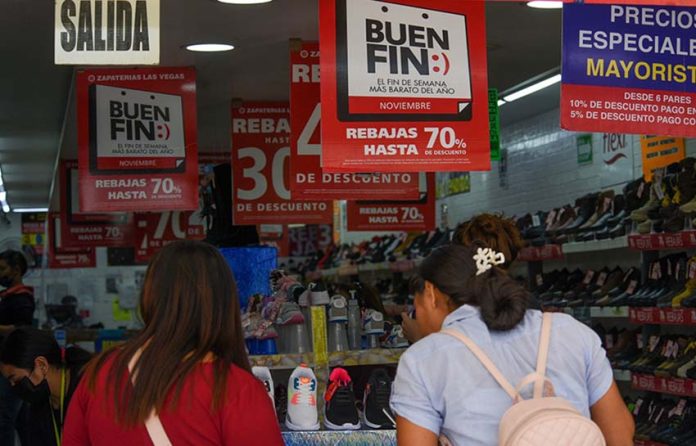
Like thousands of other retailers nationwide, this store in México state is ready to start the El Buen Fin sales event on Friday. Crisanta Espinosa Aguilar/Cuartoscuro

While high inflation may pose a financial challenge for many Mexicans this holiday gift-giving season, one of the nation’s biggest retailer associations, Concanaco, is predicting that 2022’s annual kickoff to the holiday buying season this Friday, El Buen Fin, will see growth in sales of at least 10% compared to 2021.

Hector Tejada Shaar, Concanaco’s president, said he expects the 12th annual long-weekend discount shopping event, which starts on Nov. 18 this year and ends on Nov. 21, to bring in revenues of 195 billion pesos (US $10 billion).

Many of Mexico’s biggest retail businesses participate in El Buen Fin, including members of the National Association of Self-Service and Department Stores and organizations like the Confederation of National Chambers of Trade, Services and Tourism. Mexicans can find El Buen Fin deals on everything from computers to major household appliances to airline flights. El Buen Fin even attracts buyers from the United States who live in border cities.

Big companies not affiliated with El Buen Fin, such as Walmart, as well as small and medium-sized enterprises, have already been offering discounts, night sales and other strategic sales events to attract customers before the official start date.

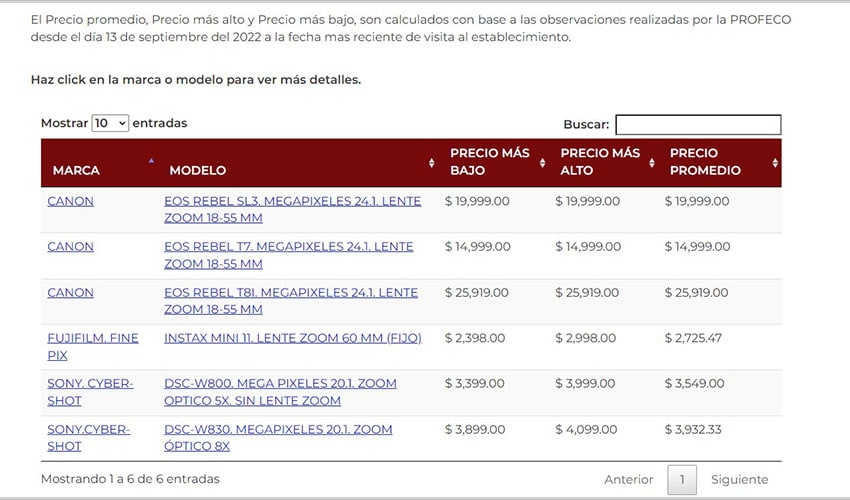
Profeco's Buen Fin guide to prices
The federal consumer protection agency Profeco posts on its website a constantly updated Buen Fin guide, with lowest and highest prices for several big-ticket items it’s found in stores nationwide since September. https://elbuenfin.profeco.gob.mx/

Marcela Muñoz, deputy director of fundamental analysis at the Mexican financial institution Vector Casa de Bolsa, said that this year’s shopping event will be atypical since the pandemic restrictions have been lifted and the enthusiasm of consumers pairs with the festive ambience prior to the World Cup 2022, which starts on Sunday.

Although overall inflation eased in the first half of October, dropping to 8.5%, it is still at a high. Core inflation – which strips out volatile food and energy prices – hit a 22-year high of 8.39% in the first half of October, according to the federal statistics agency INEGI.

However, this has not discouraged consumers. A study conducted in August by the Mexican Association of Online Shopping (AMVO), found that despite the high inflation rates, people were looking forward to buying and plan to do so on monthly statements using their credit cards.

AMVO expects that 80% of internet users will make at least one purchase and 81% will use their credit cards.

HelloSafe also found that 34.6% of its users would “at least buy something” during the shopping event. Topping their wish list are electronic devices and household appliances, followed by clothes, shoes, wine and liquor, and finally, travel, furniture, and video games.

Tejada also said that El Buen Fin is a “unique opportunity” that especially benefits small and medium-sized companies while helping reactivate Mexico’s economy.

With reports from El País and El Universal
International Festival of Lights (Filux) returns to Yucatán this month

0
"Museum of the Moon" by artist Luke Jerram, one of the art installations to be displayed in the festival. Twitter @FiluxMexico

Light art installations with curious names such as “Museum of the Moon” and “Global Rainbow” will be among the draws at the International Festival of Lights (Filux) to be held in Mérida and two other Yucatán cities in the coming weeks.

The event – which was first held in Mérida in 2017 but was absent from the cultural calendar in 2020 and 2021 –  will commence in the Yucatán capital on Nov. 24 for a four-night run.

The homegrown festival will then move to Valladolid for another four nights of light art from Dec. 1 before concluding with a three-night program in Tekax, a small city in Yucatán’s southwestern corner. It is the first time that Filux will be held in those two cities.

A total of 27 luminous works will be on display in the Yucatán cities, according to the Filux website. They include “Museum of the Moon” by British artist Luke Jerram, “Global Rainbow” by U.S. artist Yvette Mattern, “Pájaro Toh” by Mexican artist Miguel Bolívar and “Intrude” by Australian artist Amanda Parer.

“Pájaro Toh” by artist Miguel Bolívar, one of the light art installations included in the festival. Gobierno de Yucatán Twitter

Festival-goers can expect to see innovative and awe-inspiring uses of light in the various works, which include light sculptures, projection mapping onto buildings and laser projections. The artworks mentioned above feature a large replica of the moon, rays of colorful light projected over a long distance, a light sculpture of the toh (or motmot) bird and a group of four brightly-lit inflatable rabbits.

Maps showing the different locations where the works will be on display in Mérida, Valladolid and Tekax are available on the Filux website. Organizers recommend that people attend the festival on two different nights to ensure they have the time to see everything.

Filux founding director David Di Bona thanked Yucatán Governor Mauricio Vila for his support of the festival, which will run between 6 and 11 p.m. and is completely free.

Previous editions of Filux, including those held in Mexico City, have attracted over 5.5 million spectators, according to the festival’s Facebook page, which describes the event as the first of its kind in Latin America.

With reports from Diario de Yucatán

Mexico condemns Dutch website for auction of pre-Hispanic artifacts

0
Mezcla mask pre-Hispanic artifact from Guerrero, Mexico being sold at auction against will of Mexican government
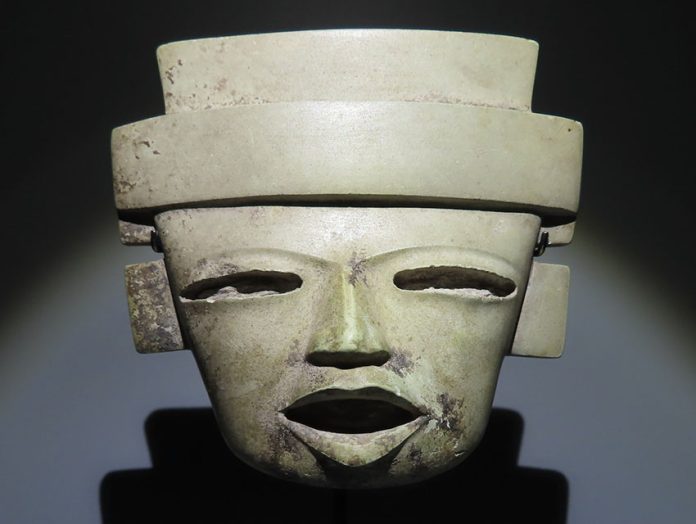
This stone mask, said by the sellers to be a Mezcala artifact found in Guerrero, is expected to sell for US $15,000-$17,000. Catawiki

The federal government is once again attempting to stop an international auction of pre-Hispanic artifacts.

The Ministry of Culture and the National Institute of Anthropology and History (INAH) said in a joint statement Tuesday that 38 archaeological items that are part of the “cultural heritage of the Mexican nation” are listed on the Dutch-owned online auction platform Catawiki.

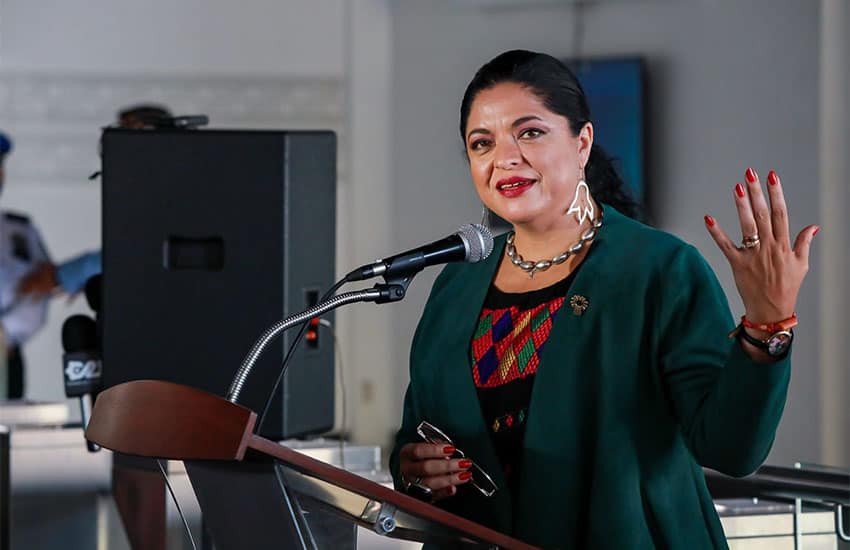
The authorities condemned the sale of the items and noted that Culture Minister Alejandra Frausto has called on Catawiki and the vendors who have listed Mexican pre-Hispanic items on the site to terminate the auction, “taking into account the historic, symbolic and cultural value of the assets, … which is greater than any commercial interest.”

They also said that INAH has filed a complaint with the federal Attorney General’s Office and notified Interpol with a view to having the items seized and repatriated.

Mexico's Culture Minister Alejandra Frausto
Culture Minister Alejandra Frausto has called upon the auction site Catawiki to terminate the sale. Alejandra Frausto/Twitter

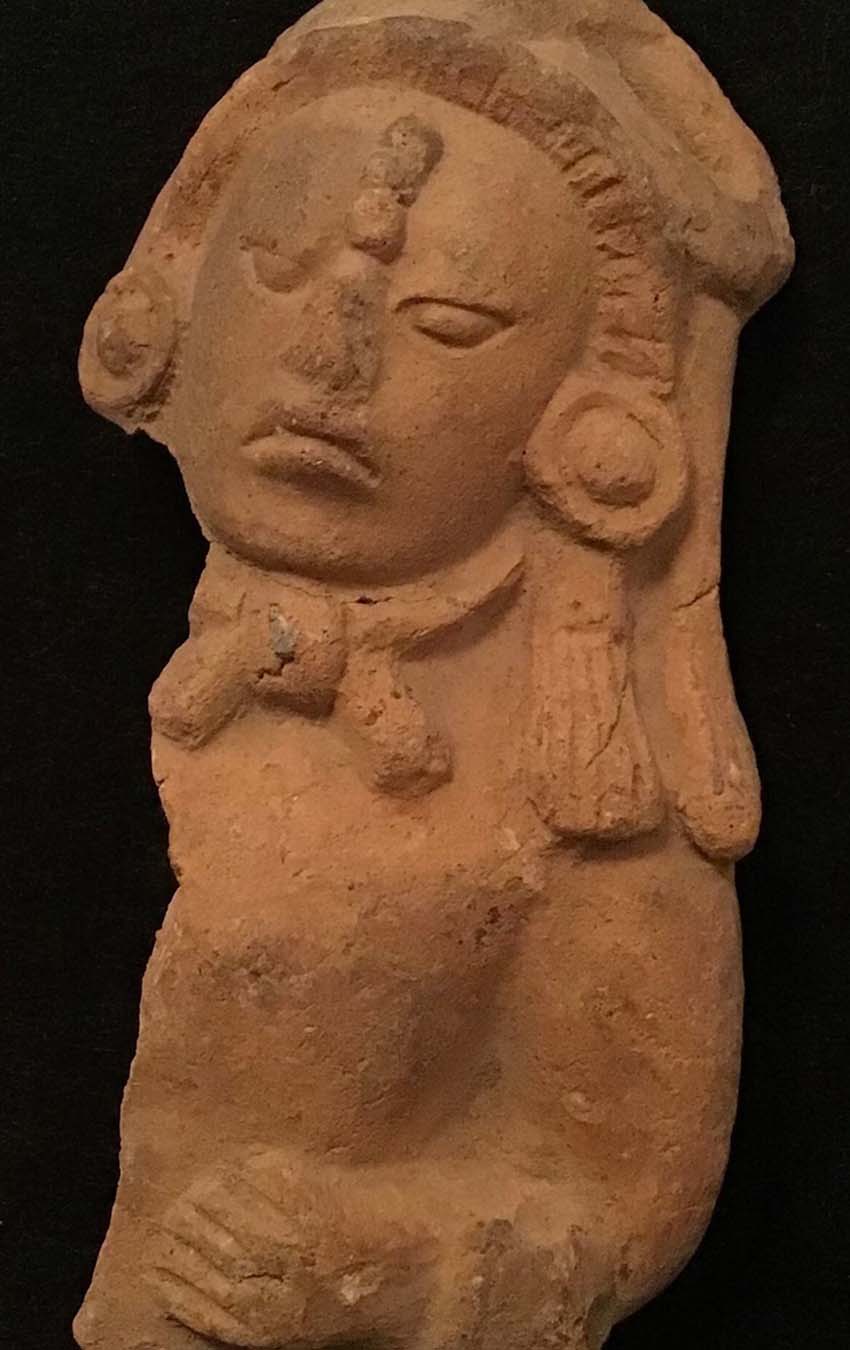
Among the pre-Hispanic Mexican items listed for sale are a clay figurine of a Mayan dignitary or priest, a stone Mezcala culture mask and a terracotta figure of a warrior that originates from the region where the modern-day state of Nayarit is located.

Bidding on the 38 items identified as Mexican cultural assets is scheduled to end on Nov. 20. “The pieces … cover a timespan ranging from … 300 B.C. to A.D. 1500,” the Culture Ministry and INAH said.

“… The assets deemed to be of pre-Columbian origin have a cultural affiliation with the styles of the Gulf coast of Mexico, the Maya area, the central highlands, the western shaft tomb tradition and with the Casas Grandes culture, which was established in the territory now occupied by Mexico’s north,” the Mexican government agencies both said.

Maya artifact being sold at auction against will of Mexican government
The seller of this figure — of either of a Maya dignitary or priest — says that it is from sometime between A.D. 500-800. Catawiki

Mexico has attempted to stop numerous international auctions of pre-Hispanic artifacts, but has only had limited success. Many items considered cultural assets have been sold at auction in cities such as Paris and New York.

Despite that, nearly 9,000 pre-Hispanic pieces have been recovered over the past three years, the Ministry of Foreign Affairs said recently, a figure that includes more than 50 items whose repatriation was announced in September.

Mexico News Daily 

Mexico coming out of its deepest but shortest economic crisis: Bank of México

0
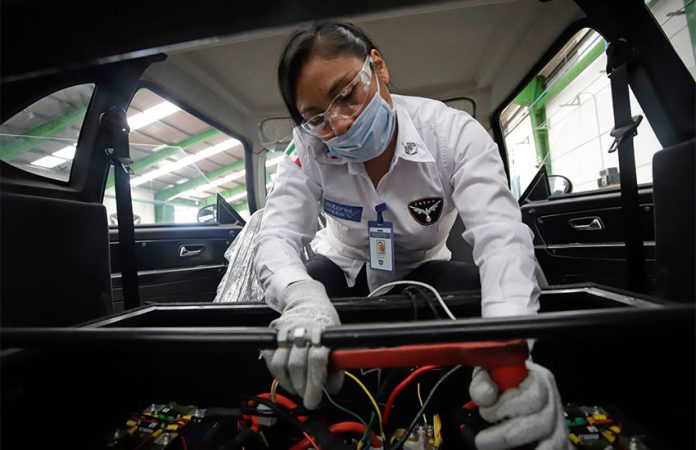
employee at Zicua auto plant in Puebla City, Mexico
The manufacturing sector was responsible for almost 90% of export revenue. (Mireya Novo/Cuartoscuro)

The slump precipitated by the coronavirus pandemic and associated restrictions is the worst economic crisis Mexico has experienced, according to Bank of México (Banxico) Deputy Governor Galia Borja Gómez.

On a positive note, economic activity has almost returned to pre-pandemic levels, Borja said, noting that the length of the COVID-induced downturn is thus set to be shorter than other economic crises that affected Mexico in the past 40 years.

GDP declined by more than 8% in 2020 before growing almost 5% last year. That left the total size of the economy still below 2019 levels in 2021. However, Borja said Monday that the latest data shows that economic activity is just 0.05% short of reaching pre-pandemic levels.

The near total recovery has taken 30 months, the central bank official told the Mexico Capital Markets Forum, whereas the economy took 32 months to regain the ground lost during the Mexican peso crisis of the mid 1990s.

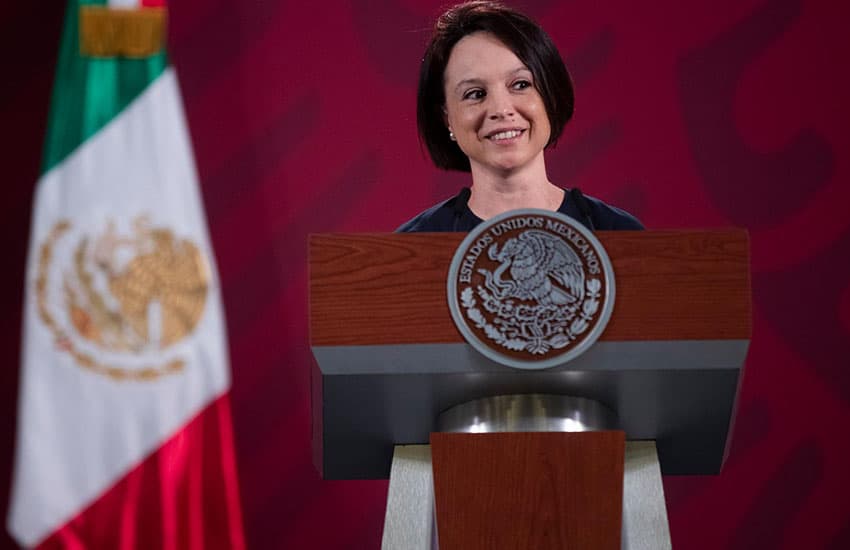
Banxico Deputy Governor Galia Borja Gomez
Bank of Mexico Deputy Governor Galia Borja said formal sector job growth, a surge in remittances, and tourism revenue are among reasons for Mexico’s near-total recovery. Government of Mexico

Borja said that the economy also took longer to recover from other economic crises. Recovery from the debt crisis of the early 1980s and the dot-com bubble deflation in the early 2000s took 34 months and 67 months, respectively, she said.

The Mexican economy’s recovery from the Great Recession in the second half of the 2000s took an even longer 72 months, Borja said.

The near total recovery from the COVID-induced slump is due to the recovery of the majority of sectors that make up the Mexican economy, she said. Borja said that 69% of those sectors are now generating revenue at pre-pandemic levels while 13% are less than five percentage points off reaching those levels.

The federal Finance Ministry is forecasting GDP growth of 2.4% this year, saying in a statement late last month that economic activity remained “solid” in the third quarter. Growth in the number of formal sector jobs, a surge in remittances, tourism revenue, strong demand for Mexican-made and grown exports and foreign investment fueled by the nearshoring phenomenon are among the factors that have benefited the economy this year.

Toluca job fair, Mexico
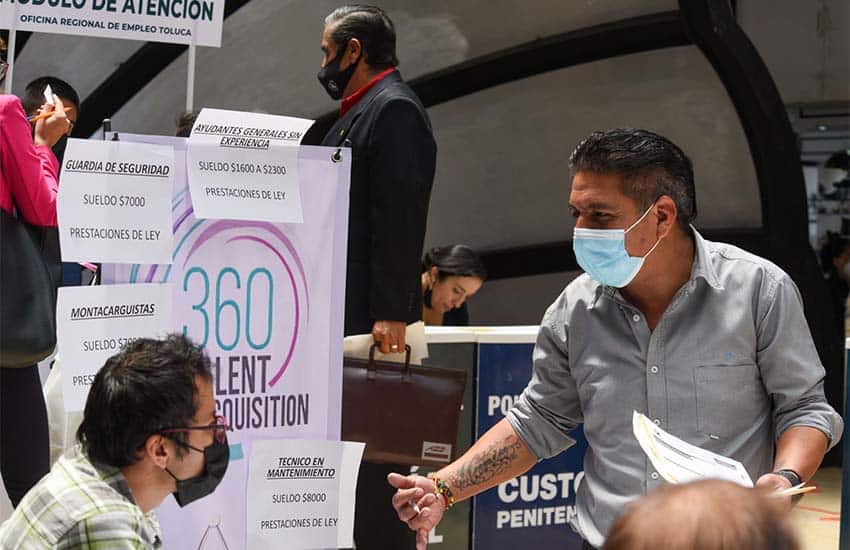
A man looks for work at a job fair in Toluca, México state. Crisanta Espinosa Aguilar

However, Borja noted that high inflation – 8.41% in October – is a drag on economic activity. Banxico last week raised its benchmark rate by 75 basis points for a fourth consecutive time as it attempts to tame the scourge, and Borja indicated that the key rate will rise beyond its current record-high level of 10%.

Each of the central bank’s super-sized interest rate hikes have come after the United States Federal Reserve lifted rates by 75 basis points, but Borja stressed that the “synchronization” with U.S. monetary policy is not automatic but rather “conditional on the type of shocks we face.”

“It’s not mechanical nor is [matching the Fed’s rate hikes] an objective in itself,” she said.

Banxico’s key rate is currently six points higher than the upper end of the Fed’s 3.75-4% range. Borja said that each monetary policy decision is taken after considering all relevant economic data and “with a lot of prudence.”

With reports from La Jornada and El Financiero

Mexico in Numbers: Top 5 most-visited archaeological sites and museums in 2022

0
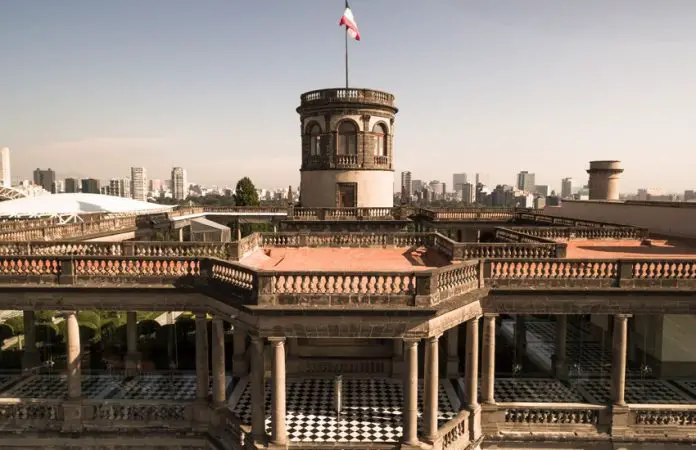
Chapultepec national history museum, mexico city
The National History Museum housed inside Chapultepec Castle was the most visited in the country this year. (INAH)

Each year, the National Institute of Anthropology and History (INAH) publishes the statistics on the volume of visitors to museums, historical monuments, and archaeological sites across the country.

The 2022 count goes from January to September and was published earlier this month.

Compared to the tourist influx of 2021, the figures have gone up by 52% at Chichén Itzá, which ranks as the most visited archaeological destination in the country.

As for museums, the four most visited are in Mexico City: the National History Museum (located in Chapultepec Castle), the National Museum of Anthropology, the Templo Mayor Museum and the National Museum of World Cultures.

The ancient Maya city of Chichén Itzá was Mexico’s most popular archaeological site this year. Mouse over each column to compare percentages of Mexican visitor numbers versus foreigners at each site.


Only one museum outside of the capital made it into the top five: the Regional Museum of Guanajuato “Alhónidga de Granaditas,” famous for hosting one of the most important battles of the Independence of Mexico.

Most of the visitors to these museums are Mexican nationals, and the National History Museum is the only one to receive close to a million visitors this year.

When it comes to archaeological sites, more than one million tourists have visited the top two most visited sites: Chichén Itzá in Yucatán attracted more than 2 million, and Teotihuacán in the State of Mexico, saw an influx of 1.4 million visitors.

The third most-visited site was Tulum – which registered more foreign visitors than Mexican nationals – followed by Monte Albán in Oaxaca and Palenque in Chiapas.

With reports from INAH and La Jornada Maya

Diabetes deaths in Mexico spiked during the pandemic

0
Lack of monitoring and access to health services exacerbated the mortality of the disease, according to public health experts. Shutterstock

Deaths caused by diabetes increased significantly in 2020 and 2021 compared to previous years due to a lack of preventative measures, deficiencies in the public health system and pandemic-related reasons, according to a prominent doctor followed by many Mexicans online.

Data from the national statistics agency INEGI shows there were 291,748 diabetes deaths in Mexico in 2020 and 2021, a 42% increase compared to the previous two years. Just over 151,000 of those deaths occurred in 2020, while there were almost 141,000 last year.

INEGI data also shows that diabetes was the third biggest killer in Mexico last year behind COVID-19 and heart disease.

The federal Health Ministry issued a health alert about the problem in late 2016 due to the high prevalence of diabetes and obesity in Mexico, but diabetes deaths exceeded 100,000 in every subsequent year, spiking notably in 2020 – the first year of the coronavirus pandemic – before declining by about 7% last year.

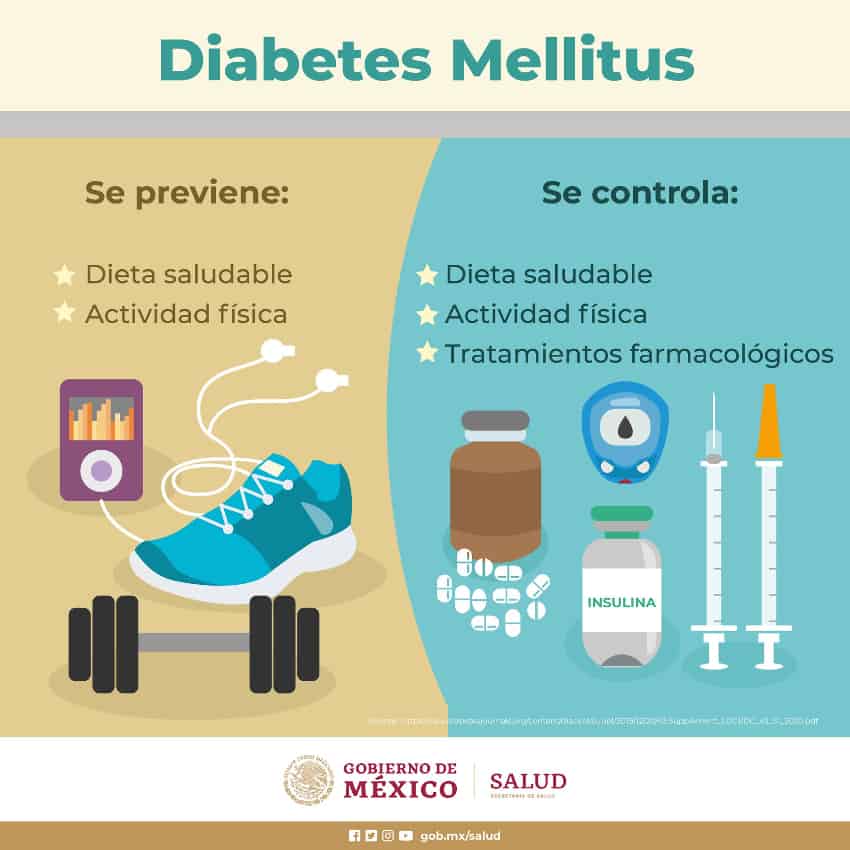
Some doctors have been critical of the government’s preventative policies in response to this public health crisis. Secretaría de Salud Facebook

Héctor Rossete, a Tlaxcala-based doctor and surgeon with a large following on social media, criticized the current federal government for not doing more to prevent diabetes and for not addressing problems in the public health system. Those two factors, as well as a failure to adequately monitor and treat diabetes patients during the pandemic, have caused deaths from the disease to increase, he told the newspaper El Universal.

“Not considering prevention is a hallmark of this government. The health system is lacking and without supplies, and that has had a negative impact on patients’ health. … Investment in health has been decreasing, public policies in the health sector require a lot of improvement, but there must be interest and concern for that [to occur],” Rossete said.

“Authorities currently don’t have a clear strategy [to combat the diabetes epidemic],” the doctor asserted.

The high rate of diabetes among Mexicans – data shows that 16.9% of adults aged 20 to 79 have the disease – was a contributing factor to Mexico’s high COVID-19 death toll. Health Ministry data shows that almost 37% of over 330,000 people who have died from COVID in Mexico suffered from diabetes, making the disease the second most common comorbidity after high blood pressure.

In a statement published Monday – World Diabetes Day – the World Health Organization (WHO) said that “globally, around 422 million people have diabetes, and 1.5 million deaths are directly attributed to diabetes every year.”

Some 12.4 million type 1 and type 2 diabetes sufferers are Mexicans, according to data collected via the 2021 National Health and Nutrition Survey.

With reports from El Universal 

Cocaine, fentanyl and meth among huge haul of drugs seized in recent days

0
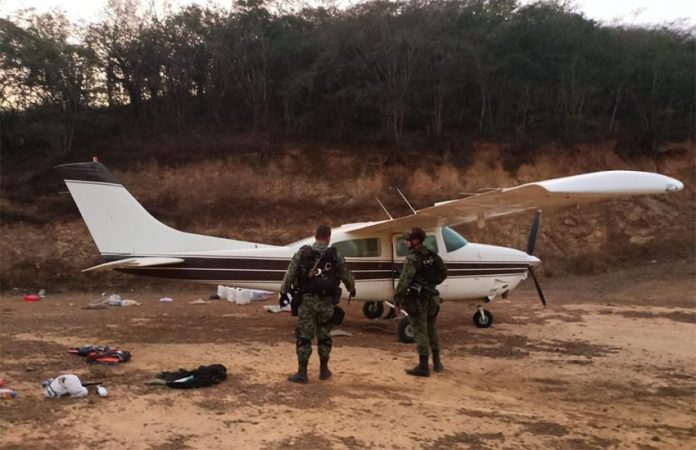
The plane touched down at a hidden landing strip near Tamazula, Durango.
The plane touched down at a hidden landing strip near Tamazula, Durango. Sedena

The military was involved in a shootout with a suspected drug trafficker Saturday after a suspicious plane was tracked to a landing strip in western Durango.

The Ministry of National Defense (Sedena) said in a statement that its air surveillance system detected an unidentified aircraft that traveled to Mexico from South America.

Three Air Force planes were deployed to monitor its movement through Mexican air space before it landed 14 kilometers from the town of Tamazula.

Sedena said that three military helicopters transported army and Air Force personnel to the location where the plane landed and that they were met with gunfire when they arrived.

[wpgmza id=”370″]

The military personnel returned fire and “an aggressor” was wounded, the ministry said, adding that the injured person was offered first aid before he was arrested and transported to a hospital in Culiacán, Sinaloa.

Soldiers inspected the suspicious aircraft and found a firearm and 30 packages containing a substance believed to be cocaine. The packages, which weighed over 300 kilograms, the gun and the plane were turned over to the relevant authorities to aid their investigations, Sedena said.

“These activities were carried out in accordance with the rule of law and with respect for human rights, thus preventing these kinds of addictive substances from affecting the health and development of Mexican youth,” the ministry said.

Despite that claim, the cocaine was in all likelihood destined for the United States, the world’s largest market for illicit drugs.

Massive amounts of narcotics flow into the U.S. from Mexico, but some shipments of illicit cargo come to an abrupt halt at the two countries’ shared border. One border crossing where United States Customs and Border Protection (CBP) has stopped a significant quantity of drugs entering the U.S. in recent days is that between Nogales, Sonora, and Nogales, Arizona.

Michael W. Humphries, CBP port director in Nogales, reported on Twitter Monday that there had been five drug seizures in four days. He said that over 3 million fentanyl pills, almost nine kilograms of fentanyl powder, 114 kg of methamphetamine, 2 kg of cocaine, 1 kg of heroin and approximately 350 yaba (methamphetamine and caffeine) tablets were confiscated.

“This massive amount of dangerous narcotics will not reach the streets. Excellent work by Team Nogales!” Humphries wrote.

Some of the drugs were concealed in commercial shipments of tortillas, according to information posted by the CBP official.

Mexican and U.S. authorities have acknowledged that the northward flow of fentanyl — a powerful synthetic opioid that killed tens of thousands of Americans last year — is a particularly serious binational problem. The drug, and its precursor chemicals, are shipped from Asia to Pacific coast ports in Mexico, where criminal organizations pick up the contraband for processing and/or shipment to the U.S.

Foreign Affairs Minister Marcelo Ebrard said last month that combating the smuggling of weapons and fentanyl will remain a priority for Mexico and the United States over the coming year.

“We have a common plan for 2023, which is to drastically reduce the trafficking of weapons to Mexico and … to increase controls on precursor chemicals and the movement of fentanyl [to the United States],” he said.

Mexico News Daily