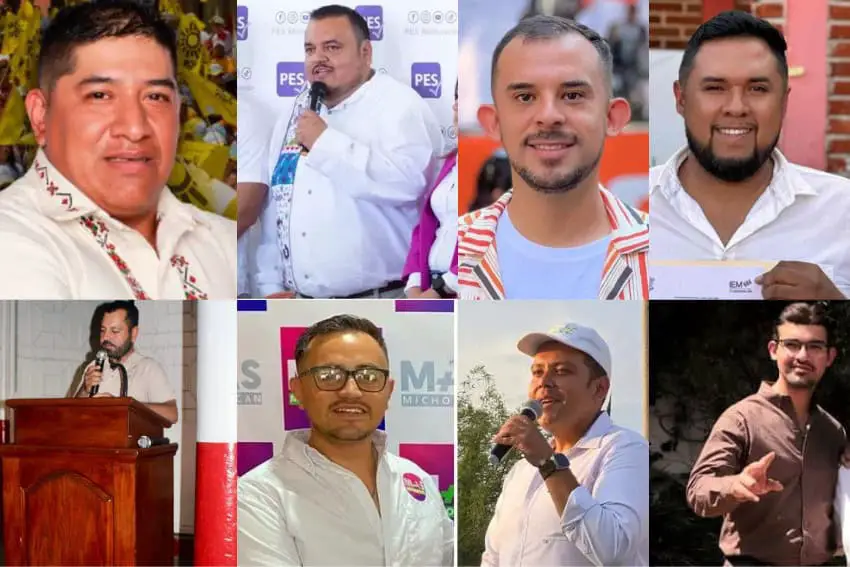
Eight male political candidates who won local elections in Michoacán last month registered as trans women have prompted state electoral officials to launch an investigation.
The Electoral Institute of Michoacán (IEM) says it’s investigating the cases of eight municipal positions intended for women under gender parity laws that were won by male candidates posing as transgender women.
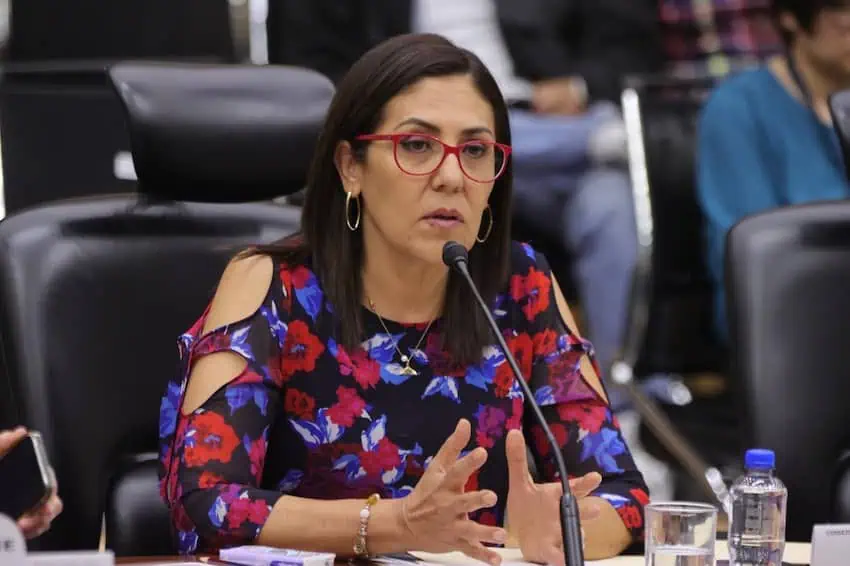
Despite their fraudulent actions, the winning male candidates could take office unless their cases are pursued in court, said Claudia Zavala Pérez, an advisor to the National Electoral Institute (INE). They were elected on June 2.
Zavala Pérez condemned the acts of “identity theft” and called the men’s actions “unacceptable and unworthy” while speaking in front of the INE’s Gender Equality and Non-Discrimination Commission.
“Society must be outraged,” she declared. “We must raise our voices because what happened cannot be allowed.”
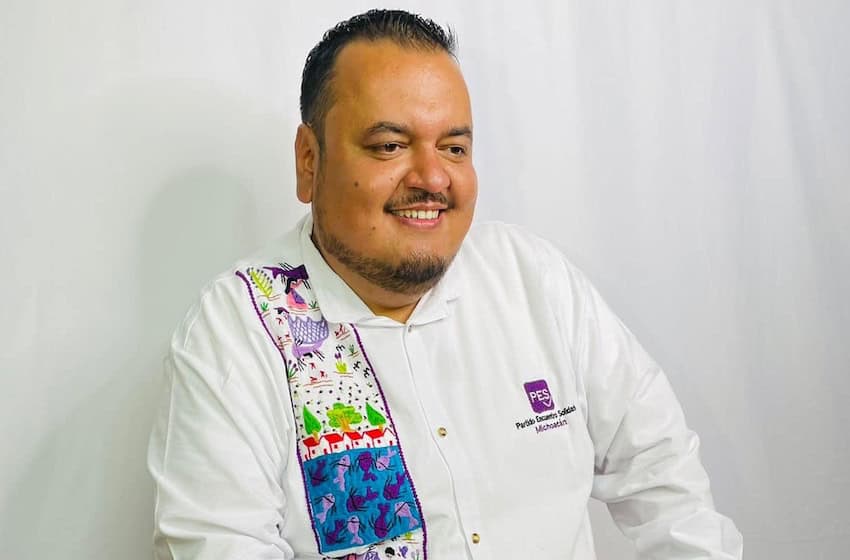
She highlighted that these men dishonestly took positions meant for individuals who have historically faced discrimination. In at least one case, the cisgender man who registered as a trans woman candidate never even stopped referring to himself with male pronouns.
The controversy brings to light the misuse of affirmative action policies designed to provide marginalized groups with political representation.

In Mexico, parity laws have been in place since 2021 to ensure diverse representation in elected positions, including candidates from sexually diverse groups, people with disabilities, Afro-Mexicans and Indigenous people.
Zavala Pérez pointed out that requiring proof of sexual identity was considered discriminatory, a stance upheld by the Electoral Tribunal of the Judicial Branch of the Federation (TEPJF). Thus, the cisgender men did not have to certify their transgender status in any way when registering as candidates.
The fraudulent activities were first flagged by LGBTQ+ advocacy groups, which accused multiple political parties of manipulating the system.
Despite the complaints, Ignacio Hurtado, president of the IEM, noted that the annulment of the elections requires appeals to the electoral courts, a process that has seen limited action.
According to a report from the digital news outlet Infobae, the elected men who are accused are:
- Alberto Orobio Arriaga, elected mayor of Charapan
- Martín Alexander Escalera Bautista, elected mayor of Peribán
- Daniel Herrera Martín del Campo, elected mayor of Tanhuato
- José Enrique Mora Cárdenas, elected mayor of Purépero
- Octavio Chávez Aguirre, elected mayor of Lagunillas,
- Rubén Torres García, elected to the city council of Charapan
- Apolonio Ureña Martínez, elected to the city council of Tumbiscatío
- Jorge Luis Estrada Garibary, elected to the city council of Ecuandureo
The Electoral Court of Michoacán (TEEM) validated Chávez Aguirre’s win in Lagunillas, though the remaining mayors and council members-elect have yet to be confirmed.
Their political parties include the National Action Party (PAN), the Institutional Revolutionary Party (PRI), the National Regeneration Movement (Morena), the Labor Party (PT), the Green Ecologist Party of Mexico (PVEM), the Party of the Democratic Revolution (PRD) and the Solidarity Encounter Party (PES), along with various coalitions.
The use of gender quotas — which require parties to choose a certain number of women as candidates in various races — has been responsible for bringing more women than ever into Mexican politics since the electoral reform of 2014.
But Zavala Pérez underscored the importance of the Michoacán electoral commission taking action in order to prevent future fraudulent cases.
There have been other notable cases of fraud, such as when eight elected female federal deputies resigned in 2009 and were replaced by their designated substitutes, all men; and in 2018, when the Oaxaca state electoral institute blocked the candidacies of 17 men masquerading as transgender women.
The abuses of 2024 have led to calls for legislative reform.
Councilor Rita Bell López Vences criticized the fraudulent actions, stating, “There is fraud against the law when in fact there are [diverse] people who want to have a political career … It is important to [penalize] all the people involved in these cases, including the parties themselves.”
With reports from Sin Embargo, Infobae, El Economista and Quadratin