
The Mexican Senate has unanimously approved a reform to the Federal Consumer Protection Law (LFPC) to penalize abusive telemarketing calls and other unauthorized commercial communications.
Although the primary issue prompting the reform is persistent commercial calls, the amendments also apply to other communication channels used to contact consumers for advertising purposes. This includes the use of digital tools and messaging apps like WhatsApp for commercial communications.
According to the bill, companies that make persistent contact through calls or other unauthorized channels to offer credit cards, insurance, loans, services or other products without the consumer’s authorization could face fines ranging from 56,570 pesos (US $3,123) to 2.3 million pesos (US $126,982).
Senator Mayuli Latifa Martínez Simón of the National Action Party (PAN), the bill’s sponsor, stated that the goal is to protect consumer privacy and let consumers opt out of advertising.
Martínez’s original initiative envisioned the creation of a registration mechanism for individuals to express that they do not wish to receive advertising, similar to the U.S. Do Not Call Registry. However, other senators argued that the problem doesn’t lie in the lack of registry — rather, they considered it stems from insufficient sanctions.
Indeed, Mexico already has two opt-out registries where consumers can sign up to avoid unwanted advertising: REPEP, for commercial calls, and REUS, for financial services.
However, the Senate considered that existing sanctions have not been sufficient to deter unwanted commercial communications.

The bill draws on data from Truecaller, a mobile app designed to identify calls and text messages from unknown numbers. Truecaller data indicates that Mexico ranks sixth in the world for most spam calls, with an estimated average of 20 to 25 spam contacts per user per month.
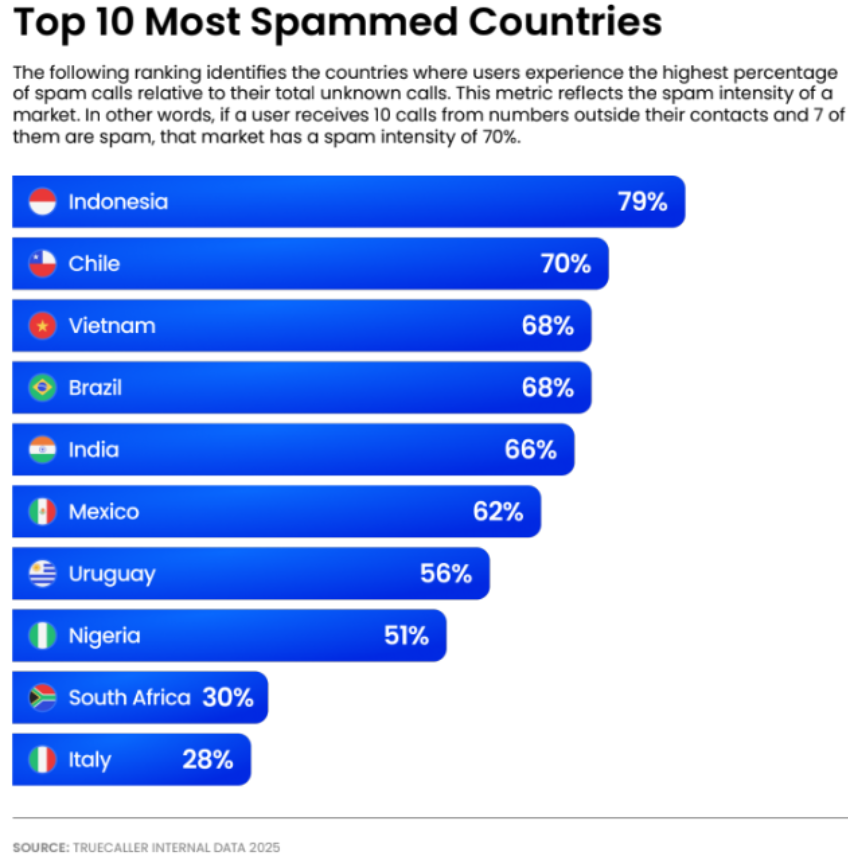
The bill warns that this barrage of calls not only disrupts people’s activities but can also increase their exposure to fraud attempts.
Senator María del Rocío Corona Nakamura, of the Green Party (PVEM), noted that everyone has the right not to be persistently called by companies. Now, she emphasized, “They will no longer be able to do so without our consent — whether by text message, email or any other means.”
The bill will now move to the Chamber of Deputies for consideration and final vote. If approved, it will enter into force the day after its publication in the Official Gazette of the Federation (DOF).
Mexico News Daily